
Africa
To address these challenges, there have been efforts to modernize the “Agbada” without losing its cultural essence. Contemporary designers now create lighter, more comfortable versions of the attire, making it easier to wear in everyday settings. Fashion shows, cultural festivals, and social media platforms have also played a crucial role in promoting the “Agbada” to younger generations. By incorporating modern designs while retaining its traditional aesthetics, Yoruba designers are ensuring that the “Agbada” remains fashionable and desirable.

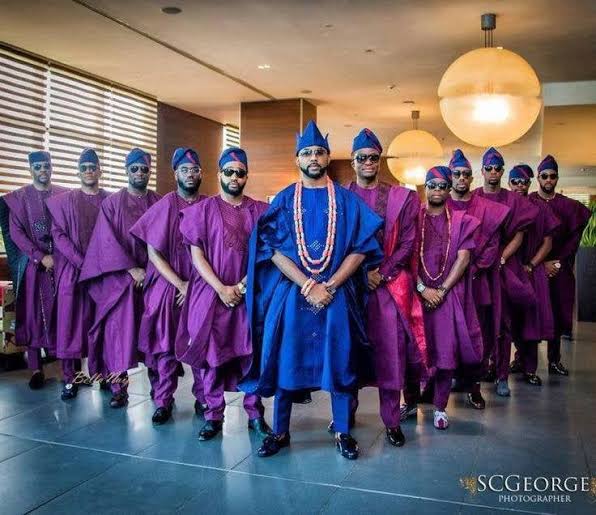
The Yoruba people of southwestern Nigeria are renowned for their rich cultural heritage, particularly in traditional attire. Among the most iconic outfits associated with Yoruba fashion is the “Agbada”, a flowing robe that symbolizes prestige, authority, and cultural pride. Historically worn by Yoruba kings, chiefs, and distinguished individuals, the “Agbada” has transcended generations, maintaining its relevance despite the influences of modernization and globalization. Preserving Yoruba dressing heritage through the “Agbada” attire is essential for maintaining cultural identity, promoting indigenous fashion, and fostering intergenerational continuity.
Historical and Cultural Significance of Agbada
The “Agbada” traces its origins to ancient Yoruba society, where it was reserved for men of high status, including rulers, elders, and wealthy merchants. Made from intricately woven fabrics such as “Aso-Oke”, “Batik”, and “Adire”, the robe was a symbol of affluence and nobility. The elaborate embroidery on the front of the “Agbada”, along with its wide, flowing sleeves, reflected the craftsmanship and artistic excellence of Yoruba textile makers. Traditionally, wearing an “Agbada” was not just a matter of fashion but also an expression of dignity, wisdom, and leadership.
Over time, the “Agbada” has evolved while maintaining its cultural essence. It is commonly worn during significant events such as weddings, religious ceremonies, and chieftaincy coronations. It is also a standard attire for Yoruba men during important social gatherings, where it signifies respect and adherence to tradition. The continued use of “Agbada” in these settings highlights its enduring importance in Yoruba culture.
Agbada as a Symbol of Yoruba Identity and Pride
The “Agbada” remains a powerful symbol of Yoruba identity, distinguishing Yoruba men from other ethnic groups in Nigeria and beyond. Its unique style, fabric, and design reflect the creativity and distinctiveness of Yoruba fashion. By wearing the “Agbada”, individuals showcase their cultural roots and pay homage to their ancestry. Even among the Yoruba diaspora, the “Agbada” serves as a way to stay connected to their heritage, especially during traditional ceremonies and cultural festivals.
Moreover, Yoruba elites, politicians, and celebrities frequently wear the “Agbada” to formal events, reinforcing its status as a mark of sophistication and cultural pride. The attire has also gained international recognition, with designers incorporating elements of “Agbada” into contemporary fashion. This global acceptance further cements its role as an ambassador of Yoruba dressing heritage, ensuring that it remains relevant in the modern fashion landscape.
Challenges to the Preservation of Agbada and Efforts to Sustain It
Despite its cultural significance, the preservation of the “Agbada” faces several challenges. The increasing influence of Western-style clothing, such as suits and casual wear, has led many young Yoruba men to view traditional attire as outdated or reserved for special occasions. Additionally, the cost of producing high-quality “Agbada” fabrics and embroidery makes it less accessible to the average person. As a result, some people opt for simpler, mass-produced clothing rather than investing in indigenous garments.
To address these challenges, there have been efforts to modernize the “Agbada” without losing its cultural essence. Contemporary designers now create lighter, more comfortable versions of the attire, making it easier to wear in everyday settings. Fashion shows, cultural festivals, and social media platforms have also played a crucial role in promoting the “Agbada” to younger generations. By incorporating modern designs while retaining its traditional aesthetics, Yoruba designers are ensuring that the “Agbada” remains fashionable and desirable.
The “Agbada” is more than just a piece of clothing; it is a representation of Yoruba history, values, and artistic excellence. As a symbol of status, identity, and tradition, its continued preservation is crucial for maintaining Yoruba dressing heritage. Although modernization poses a challenge to its everyday use, efforts to adapt and promote the attire have helped keep it relevant. By embracing the “Agbada” and encouraging its use in both traditional and contemporary fashion, the Yoruba people can safeguard their dressing heritage for future generations.
Roseline Ojebiyi
Chief Ethnographer (National Commission for Museums and Monuments)


























You must be logged in to post a comment Login