
Africa
A Climate On Edge: How Environmental Disasters Are Deepening Hardship In Nigeria And West Africa -By Nkiru Okparuba Jude
The climate crisis is not waiting for tomorrow; it is unfolding now. Every flood, drought, and heatwave is a warning that West Africa stands at a tipping point. If decisive measures are not taken, the region may face irreversible damage to its ecosystems, food systems, and security. But with coordinated action, innovation, and resilience, Nigeria and its neighbors can still rewrite their climate story — one rooted not in disaster, but in sustainable recovery and shared responsibility.

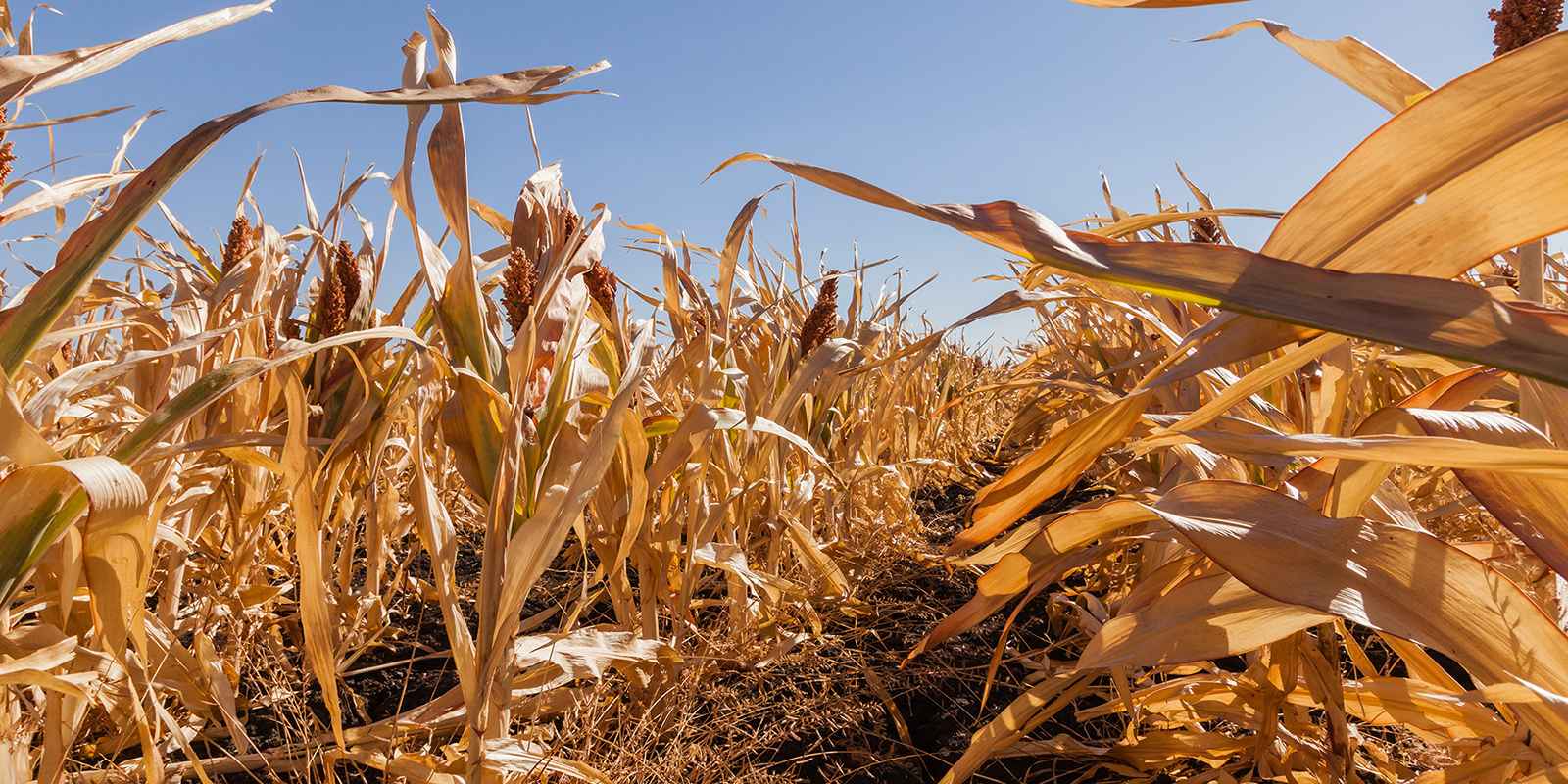
From the receding Lake Chad in the north to the flooded plains of the Niger Delta, Nigeria and much of West Africa are facing a worsening climate crisis that threatens livelihoods, security, and survival. What was once viewed as a distant environmental problem has now become an everyday reality — one that destroys homes, displaces millions, and fuels conflict across fragile states. The region, already battling poverty and insecurity, is now grappling with a new and silent adversary: climate change.
Over the past decade, West Africa has experienced extreme weather patterns unlike any seen before. Persistent droughts, flash floods, desertification, and rising temperatures have disrupted agriculture — the main source of livelihood for over 60 percent of the region’s population. In northern Nigeria, for instance, prolonged droughts have turned fertile farmlands into arid wastelands, forcing thousands of farmers and herders to migrate southward in search of pasture and water. These migrations have intensified deadly clashes between farmers and herders, adding another layer to Nigeria’s already complex insecurity challenges.
Flooding has become an annual disaster in several countries. In 2022, Nigeria recorded one of its worst floods in a decade, affecting more than 30 states and displacing over 1.4 million people. Communities along the River Benue and River Niger were submerged, farmlands destroyed, and schools and hospitals turned into temporary shelters. Similar stories echo in Ghana, Sierra Leone, and Niger, where torrential rains wash away entire neighborhoods every rainy season. The economic losses run into billions of dollars, yet recovery efforts remain slow and underfunded.
The shrinking of Lake Chad remains perhaps the most symbolic environmental tragedy of the region. Once a vast freshwater body supporting fishing, farming, and trade among four countries — Nigeria, Chad, Niger, and Cameroon — the lake has lost over 90 percent of its surface area since the 1960s. As water resources vanish, so have livelihoods. Young people who once fished or farmed now face unemployment, and some are drawn into criminal or extremist activities as a means of survival. The lake’s decline is not just an ecological crisis but a driver of instability in the entire Sahel region.
Urban areas are also feeling the heat — quite literally. Cities such as Lagos, Accra, and Dakar are expanding rapidly, but poor urban planning and deforestation are worsening heatwaves and flooding. The proliferation of plastic waste and blocked drainage systems has turned heavy rainfall into urban disasters. For residents of low-lying communities, a single downpour can mean losing homes and belongings overnight. In Lagos, rising sea levels threaten to swallow parts of the city’s coastline by 2050 if urgent mitigation efforts are not undertaken.
Experts attribute the worsening climate situation to both global and local factors. The burning of fossil fuels, deforestation, and poor waste management are accelerating environmental degradation. Nigeria remains one of Africa’s largest gas flarers, releasing tons of carbon emissions into the atmosphere. Meanwhile, unchecked logging and bush burning continue to destroy forests that could have absorbed carbon dioxide and moderated the climate. Despite repeated government pledges, enforcement of environmental laws remains weak.
The human cost of climate change goes far beyond property loss. Ris’ng food prices, water scarcity, and forced migration are fueling humanitarian crises across West Africa. In Niger and Mali, drought has left millions dependent on food aid. In coastal nations, saltwater intrusion is contaminating drinking water and reducing agricultural yields. These pressures exacerbate poverty and inequality, particularly for women and children who bear the brunt of displacement and food insecurity.
International agencies and local NGOs have stepped in with relief programs, but experts argue that response alone is not enough — adaptation and prevention must be prioritized. There is a growing call for governments to invest in sustainable agriculture, reforestation, renewable energy, and climate education. The adoption of drought-resistant crops, better irrigation systems, and early warning mechanisms for floods could save lives and livelihoods if implemented effectively.
Nigeria’s recent signing of climate agreements and participation in COP summits are positive steps, but they must translate into concrete action on the ground. The National Council on Climate Change has been established to coordinate responses, yet many citizens remain unaware of its policies. Without strong political will, adequate funding, and community engagement, these initiatives risk becoming mere paperwork. The future demands more than speeches — it demands implementation.
The climate crisis is not waiting for tomorrow; it is unfolding now. Every flood, drought, and heatwave is a warning that West Africa stands at a tipping point. If decisive measures are not taken, the region may face irreversible damage to its ecosystems, food systems, and security. But with coordinated action, innovation, and resilience, Nigeria and its neighbors can still rewrite their climate story — one rooted not in disaster, but in sustainable recovery and shared responsibility.
Nkiru Okparuba Jude is a 300 Level Student From Mass Communication Department University Of Maiduguri.























You must be logged in to post a comment Login