
Africa
A Reflection on the Ethnicity–Development Debate in Nigeria -By Richard ODUSANYA
No matter how virtuous, good individuals can not permanently fix a system designed to privilege domination and suppress diversity. The task before Nigeria’s intelligentsia, political class, and civic leaders is to elevate the debate: from whether change is necessary to how best to achieve it peacefully and productively.
Nigeria must choose between restructuring, re-imagining, or re-partitioning. What it can not do is continue on the current path of denial and dysfunction.

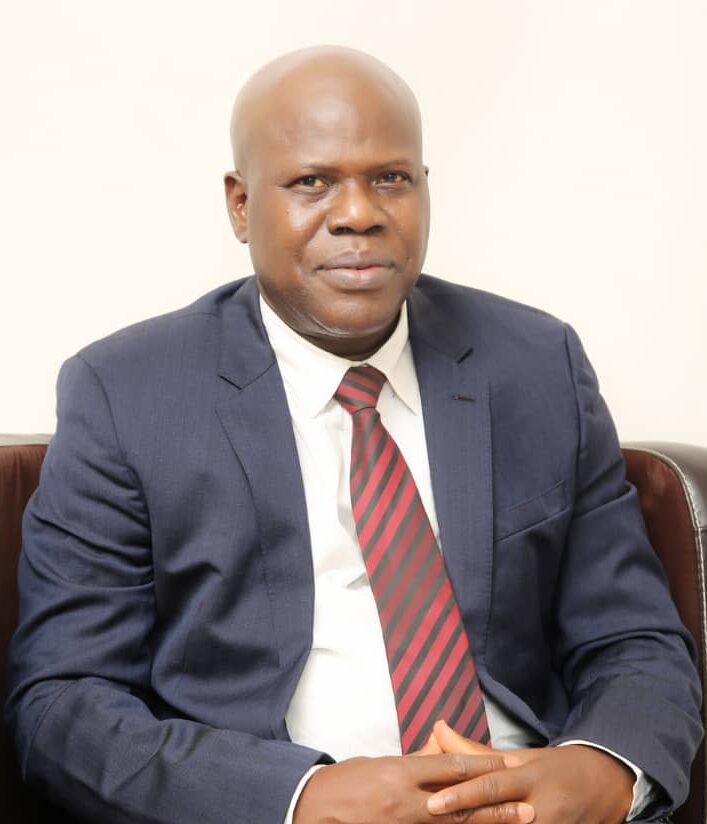
I stumbled on a long essay written by @Aminu Sa’ad Beli, Aminu posited with a caption: “ROAD MAP TO SOLVE NIGERIAN ETHNICITY CRISIS, AND ECONOMIC DEVELOPMENT”
This long essay is both passionate and provocative. It raises the fundamental question of whether Nigeria, as presently structured, can ever truly deliver equity, peace, and sustainable development to its diverse peoples. The author marshals historical and comparative evidence, citing global cases of peaceful separation as well as failed unions, to argue for rethinking Nigeria’s future—whether through genuine restructuring or through an honorable, peaceful dissolution.
Several insights emerge from his intervention:
(1) The Burden of the Colonial Inheritance
Nigeria, like many African states, is an artificial creation of colonialism. Unlike Ghana, Tanzania, or Burkina Faso—who redefined their identities by rejecting imposed names and re-imagining themselves—Nigeria has clung to a name and structure that reflect little of its internal plurality. The outcome has been a fragile federation in which ethnicity, rather than citizenship, remains the core currency of political mobilization.
(2) Comparative Lessons from Global Separations
The examples of Singapore/Malaysia, Czechoslovakia, and even Canada/Quebec show that ethnic and cultural pluralism requires either exceptionally inclusive governance structures (e.g., Switzerland’s canton system) or peaceful negotiated exits when accommodation becomes impossible. Nigeria has attempted neither seriously: federalism has been hollowed out by over-centralization, and dialogue about self-determination is criminalized rather than negotiated.
(3) Ethnic Nationalism vs. State Survival
The essay correctly points out that what Nigeria calls “ethnic groups” are, in European historical terms, “nations.” No European nation-state today tolerates perpetual domination by another. Where domination has persisted (e.g., Yugoslavia, USSR), fragmentation followed. This raises a sobering question: can Nigeria’s ethnic nations sustain a truly voluntary union without addressing the question of equity and autonomy.
(4) Economic Mismanagement as a Catalyst
The analysis of Nigeria’s cattle industry is instructive. Despite vast land and population, Nigeria is absent from the global top 20 in beef, milk, or cattle exports. Instead of modernization and ranching, the country tolerates violent open grazing conflicts. This reflects a broader truth: unresolved ethnic and structural tensions sap the political will for economic modernization. Development without peace, equity, and legitimacy is almost impossible.
Pathways Forward
While separation is one possible outcome, it need not be the first or only path. Three strategic options present themselves:
(1) True Federalism / Regional Autonomy – A Swiss-style arrangement where ethnic nationalities retain significant self-governance, control over resources, and cultural recognition. This could preserve Nigeria while reducing the perception of domination.
(2) Negotiated Restructuring with Renaming – As other African states have done, Nigeria could rebrand and rebuild itself around a new constitutional identity, one that recognizes its nations as co-equals rather than forced dependents.
(3) Peaceful Separation – Where dialogue fails, managed separation—on the model of Czechoslovakia’s “Velvet Divorce”—remains preferable to violent implosion. The key is to ensure that if separation comes, it is negotiated, legal, and peaceful.
In conclusion, this essay is a timely reminder that Nigeria’s crisis is not simply about leadership failure but about structural design. No matter how virtuous, good individuals can not permanently fix a system designed to privilege domination and suppress diversity. The task before Nigeria’s intelligentsia, political class, and civic leaders is to elevate the debate: from whether change is necessary to how best to achieve it peacefully and productively.
Nigeria must choose between restructuring, re-imagining, or re-partitioning. What it can not do is continue on the current path of denial and dysfunction.
Richard ODUSANYA A Public Affairs Analyst and Good Governance Advocate















You must be logged in to post a comment Login