Africa
Africa, Fake Miracles and the Crisis in Public Health -By Patrick Iwelunmor
The true miracle is not when a man drops his crutches before a cheering crowd. The true miracle is when a society values life enough to protect it with both prayer and medicine, with both faith and wisdom. Until Africa confronts the menace of fake miracles, the crisis in public health will persist, and the sick will continue to pay the ultimate price.

On a Sunday morning in Lagos, the pews are filled, the choir rises in song, and the preacher’s voice booms with authority. A man on crutches is summoned to the altar, his steps shaky, his eyes clouded with desperation. The pastor lays hands, the congregation shouts “Amen,” and the man, urged by faith and spectacle, drops his crutches and staggers forward. Cameras roll, testimonies are gathered, and the miracle is declared complete. Yet, behind the applause, another story often begins — the slow return of pain, the quiet worsening of illness, the unrecorded tragedy of a life cut short because a medical emergency was disguised as a spiritual triumph.
This is the dangerous theatre of fake miracles, a stage where hope is exploited, where sickness is spiritualized, and where churches across Africa, knowingly or unknowingly, escalate medical crises that could have been prevented or properly treated.
The African church is not without its noble legacy. For decades, it has been a refuge for the poor, a sanctuary for the oppressed, and a rallying point for solidarity during political turmoil. In villages without clinics, the church has often doubled as a center for community care and support. But in recent years, a troubling distortion has crept into its mission: the rise of miracle merchants, men and women who trade healing for headlines, who equate faith with denial, and who encourage believers to abandon hospitals for altars.
The issue is not whether God heals. The issue is that in too many African churches, healing has been turned into spectacle — a performance for television screens and livestreams. Instead of promoting balance — prayer with medicine, faith with reason — pastors urge congregants to throw away their drugs, reject their doctors, and trust only in the prophet’s touch. The consequences are not merely personal tragedies. They represent a public health crisis stretching across the continent.
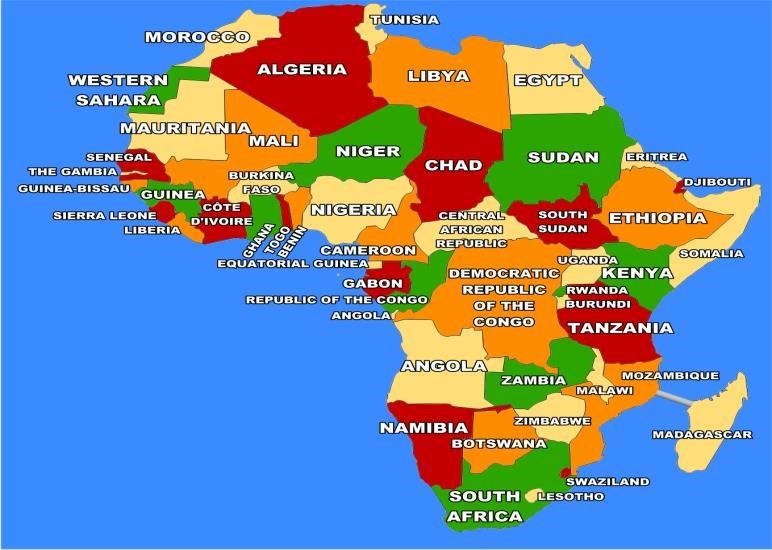
The stories are chillingly familiar. In Nigeria, a diabetic man is told to discard his insulin because “the blood of Jesus has washed away the sugar.” Days later, he slips into a coma. In Kenya, mothers carry convulsing children to prayer camps rather than emergency wards, only to watch them deteriorate. In South Africa, an HIV patient throws away antiretroviral drugs after a pastor declares them cured, with devastating consequences for both the individual and the wider fight against the epidemic. Across Africa, whispered stories in hospital wards tell of patients who arrive too late because the church told them they were already healed.
Fake miracles flourish because they feed a deep hunger. In many African countries, healthcare systems are poorly funded, hospitals are understaffed, and medicines are expensive. For the poor, the church becomes the emergency room, the prophet the surgeon, the altar the hospital bed. A night at a vigil costs less than consultation fees, and a prayer line offers quicker hope than a crowded waiting room. Miracles, whether real or staged, thrive in the gaps left by broken health systems.
But instead of filling these gaps with wisdom, too many churches exploit them with theatre. Stage-managed healings — with actors pretending to be blind or lame — are broadcast on television and streamed online, drawing massive audiences. Congregants who question the authenticity of these wonders are branded as faithless. When patients die after rejecting medical care, blame is shifted to their supposed lack of belief. The irony is painful: the same God who gave humanity the intelligence to develop vaccines, discover surgery, and produce medicine is dishonored when His gifts are discarded in the name of miracle.
There is also a psychology at play. In societies where poverty and pain are widespread, miracles provide dignity. To walk again, even for a staged moment, is to feel noticed and celebrated. Fake miracles exploit this longing, using human suffering as props in a performance of power.
Yet it would be unjust to say all African churches are guilty. Many pastors actively encourage medical treatment, run hospitals, and even sponsor health outreaches. Some churches pay for surgeries, distribute medicines, and partner with doctors. But these voices are drowned out by the louder, more theatrical miracle crusades that promise instant healing. In the noise of false testimonies, true compassion often goes unnoticed.
The solution must be multi-layered. Governments must strengthen healthcare systems so citizens are not forced to choose between unaffordable hospitals and free prayer camps. Regulatory agencies must hold accountable pastors who promote fake healings and endanger lives. Civil society must educate communities that faith and medicine are not enemies but partners. And the church itself must reclaim its moral authority, rejecting spectacle and embracing truth.
It is worth remembering that the roots of Christianity do not oppose medicine. Luke, one of the Gospel writers, was a physician. Jesus healed the sick, but He also told lepers to show themselves to the priest — a form of medical confirmation. True faith does not deny reality; it redeems it. True miracles do not replace doctors; they complement their work.
The danger of fake miracles is not just that they deceive. It is that they kill. They delay treatment, worsen emergencies, and transform manageable illnesses into death sentences. They also erode the credibility of the church, reducing it to a circus where human suffering becomes entertainment.
If the African church is to remain a force for hope, it must turn away from the theatre of fake miracles and embrace the harder but more compassionate work of supporting medicine, promoting public health, and standing with the sick in both prayer and practical help. Anything less is complicity in the silent epidemic of avoidable deaths.
The true miracle is not when a man drops his crutches before a cheering crowd. The true miracle is when a society values life enough to protect it with both prayer and medicine, with both faith and wisdom. Until Africa confronts the menace of fake miracles, the crisis in public health will persist, and the sick will continue to pay the ultimate price.