
Africa
Bola Tinibu: ‘Fixing the Broken Tiles’ -By Jabir T. Usman
Bola Ahmed Tinibu is not a magician, but a builder, one who understands that to fix broken tiles, one must first sweep away the debris and create a clean surface. Nigeria’s problems are vast, but under his watch, a genuine attempt is being made to fix them. What he needs now is time, not condemnation. And for a nation at a crossroads, perhaps giving him that second chance might just be the step that cements a better future.


In a country long weighed down by structural inefficiencies, corruption, and economic short-sightedness, Bola Ahmed Tinibu stands today as a symbol of a determined leader striving to fix what has been broken for decades. Amidst all the criticisms and skepticism, it would be disingenuous to deny that President Tinibu’s leadership offers a unique kind of realism, grounded in vision, experience, and the political courage to take hard decisions. For a country as complex and wounded as Nigeria, this kind of leadership deserves more time.
Only those who dwell in an ivory tower believe that any leader no matter how capable; can fix Nigeria’s deeply embedded problems with rocket science or miraculous solutions. Decades of mismanagement, policy inconsistency, and elite capture have created a system where even the most basic government obligations, such as paying workers’ salaries, often depended on borrowing. One cannot forget that during a past administration, the Minister of Finance publicly stated that Nigeria could no longer pay salaries without loans.
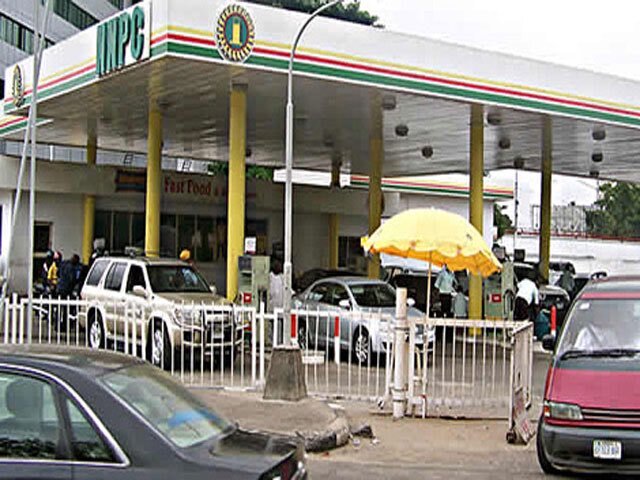
Tinubu inherited a nation gasping for economic survival. Yet, he did not shrink from the task. Instead, he confronted some of the most politically sensitive issues head-on. Take, for example, the long-standing fuel subsidy crisis, a matter that even his fiercest critics had once agreed needed resolution. Notably, Peter Obi of the Labour Party, in various interviews, admitted he would remove the subsidy and sell off the dysfunctional refineries. Tinubu, true to his campaign promise, followed through a move that took not just economic wisdom, but political bravery.
Atiku Abubakar, a two-time presidential contender under the People’s Democratic Party (PDP), also promised to sell Nigeria’s government-owned refineries and eliminate the subsidy regime. He reiterated this stance during both the 2019 and 2023 campaigns. Yet, it was Bola Ahmed Tinibu, who when elected, had the grit to implement it, a clear indication that his promises were not just campaign rhetoric, but genuine intentions.
The removal of fuel subsidy was a hard pill to swallow, especially for the masses. But sometimes, bitter medicine is necessary to cure a festering illness. Tinubu’s government has rolled out palliative strategies and targeted interventions to manage the impact, showing that there is empathy behind the economic reform. A populist would have delayed such moves to win popularity; a visionary prioritizes long-term national survival.
Nigerians must realize that the current hardship is not the making of the Tinibu’s administration alone. He is simply the man who decided to stop kicking the can down the road. The price of delay in reform would have been steeper. A leader who takes courageous steps in the midst of crisis, despite knowing it may cost him short-term applause, deserves more than just our criticism, he deserves more time.
Previous administrations had ample opportunities to diversify the economy but chose instead to rely heavily on oil revenue. That failure of foresight left Nigeria vulnerable to global oil shocks and economic instability. Tinibu’s government is now actively pursuing diversification, investing in agriculture, mining, digital economy, and manufacturing. These are not instant-yielding policies, but they are structurally sound for a prosperous future.
For the first time in years, there is a deliberate attempt to shift Nigeria from consumption to production. The Renewed Hope Agenda of President Tinubu is not just a slogan; it is a framework through which new infrastructure, improved energy delivery, and industrial investments are being pursued to stimulate jobs and empower entrepreneurs.
The President’s foreign policy direction also deserves commendation. Tinibu has reignited investor confidence and repositioned Nigeria as a regional leader. Through high-level diplomatic engagements and economic summits, he has made efforts to bring in direct foreign investments, the kind that stimulate industrial growth and technology transfer.
Critics often complain about the pace of change, but they forget that repairing a fractured nation requires time, consistency, and stability. The process of rebuilding is never comfortable, especially when the foundation is weak. Tinibu’s leadership is about setting a stronger foundation, a task that cannot be completed within four years.
Insecurity, one of Nigeria’s perennial problems, is also being tackled differently. The President has shown readiness to invest more in local intelligence, modern equipment, and better welfare for security personnel. Rather than just depending on the military, his administration is supporting state-level security initiatives, like community policing.
The reality is that governance is not magic. It is a deliberate, patient effort to steer a country away from disaster. While citizens have every right to demand results, they should also appreciate leadership that dares to be honest about the costs of national recovery.
Tinibu has not promised paradise overnight. But he has promised and started the journey towards a better Nigeria. This is a refreshing departure from the norm of empty political promises. If we continue to judge him solely by today’s discomfort without factoring in the bold reforms he’s undertaking, we risk discouraging future leaders from making the tough but necessary choices.
Some may argue that he is part of the political establishment that contributed to Nigeria’s problems. However, leadership is not just about history; it is about what one does when given a chance. Tinubu’s record as Lagos State governor, where he turned the state into a viable economic hub, still stands as a case study of good governance and innovation.
Let us also not forget that every progressive nation endured a phase of pain before experiencing prosperity. From China to Singapore, from Rwanda to Brazil, recovery takes time, clarity of vision, and courageous decisions. Tinibu has shown all three, and that’s why he deserves a second term.
Moreover, leadership is not a sprint; it’s a marathon. The real legacy of a leader is not in applause, but in results that stand the test of time. With what has been started, subsidy reform, FX unification, fiscal discipline, and economic diversification, Nigeria is slowly but surely being repositioned.
Bola Ahmed Tinibu is not a magician, but a builder, one who understands that to fix broken tiles, one must first sweep away the debris and create a clean surface. Nigeria’s problems are vast, but under his watch, a genuine attempt is being made to fix them. What he needs now is time, not condemnation. And for a nation at a crossroads, perhaps giving him that second chance might just be the step that cements a better future.
©Jabir T Usman writes from Sabon Gari Tudun Wada Kaduna jabson.usman@gmail.com

















You must be logged in to post a comment Login