Forgotten Dairies
Bottle Jaw in Livestock: A Silent Warning of Deeper Health and Economic Challenges -By Dr. Umoru Moris
Families dependent on livestock for livelihoods witness the strain as veterinary costs rise and productivity falls. Beyond economics, the condition raises public health considerations, including potential food safety implications from stressed animals and the broader One Health connections between animal parasites, environmental changes, and human well-being.

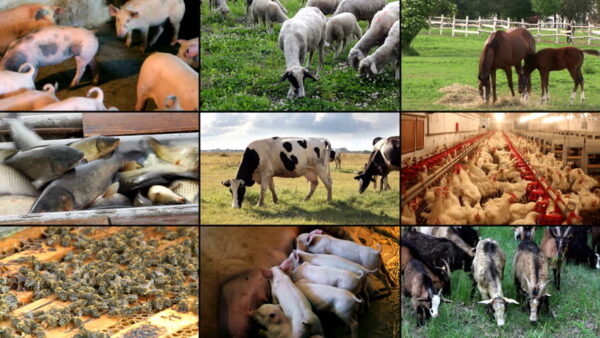
In the quiet rhythm of a morning farm check, a livestock producer notices a soft, pendulous swelling beneath the jaw of a ewe or goat. What appears as a minor blemish is often a red flag for a serious underlying condition known as bottle jaw. This common yet frequently overlooked sign in ruminants signals significant internal stress, most commonly from parasitic burdens, and demands urgent attention to protect animal welfare and farm viability.
Bottle jaw, or submandibular edema, transcends a simple physical symptom. It reflects systemic imbalances such as severe anemia and low blood protein levels that allow fluid to accumulate in tissues. In regions where sheep, goats, and cattle form the backbone of rural economies, this condition highlights vulnerabilities in pasture management and herd health. Its prevalence underscores broader challenges in sustainable livestock production amid changing climates and evolving parasite dynamics.
The condition manifests as a cool, pitting swelling under the lower jaw that can worsen throughout the day due to gravity. Affected animals often show pale mucous membranes, lethargy, weight loss, and declining productivity. While not a disease itself, bottle jaw points to critical disruptions in the animal’s physiology, particularly protein loss and blood depletion, which compromise overall vitality and can escalate to life-threatening complications if unaddressed.
At its core, bottle jaw arises primarily from heavy infestations of blood-feeding parasites. In sheep and goats, the barber’s pole worm (Haemonchus contortus) stands out as the leading culprit, voraciously consuming blood in the abomasum and triggering profound anemia. Liver flukes (Fasciola hepatica) contribute significantly in moist environments, damaging the liver and exacerbating protein deficiencies through chronic inflammation. Cattle face similar threats from related nematodes and flukes, though additional factors like Johne’s disease or malnutrition may play larger roles in some herds.
Contributing factors extend beyond parasites. Poor nutrition, overstocked pastures, inadequate deworming programs, and climate conditions favoring parasite survival all amplify risks. Anthelmintic resistance further complicates the picture, as overuse of treatments has diminished their effectiveness in many areas. These elements interact in complex ways, turning manageable issues into widespread herd problems.
The human impact is substantial and multifaceted. For smallholder farmers and commercial operations alike, bottle jaw translates into reduced milk yields, slower growth rates, lower market weights, and unexpected deaths directly affecting income and food security. Families dependent on livestock for livelihoods witness the strain as veterinary costs rise and productivity falls. Beyond economics, the condition raises public health considerations, including potential food safety implications from stressed animals and the broader One Health connections between animal parasites, environmental changes, and human well-being.
Fortunately, effective solutions exist through integrated approaches. Prompt diagnosis via tools like FAMACHA scoring and fecal egg counts allows targeted treatment rather than blanket applications. Strategic pasture rotation, selective breeding for resistant stock, improved nutrition, and responsible use of anthelmintics guided by veterinary advice and resistance testing form the foundation of prevention. Producers who adopt these practices not only resolve current cases but build long-term resilience in their flocks and herds.
Bottle jaws remind us that the health of our livestock mirrors the health of our communities and environments. By responding thoughtfully to its warning signs, farmers, veterinarians, and public health advocates can foster more sustainable systems that support both animal welfare and human prosperity. In the end, vigilance today safeguards the vitality of tomorrow’s herds and the lives intertwined with them.
Dr. Umoru Moris, DVM, MPH