
Africa
Bride Price Or Sales Price? Time For Families To Stop Selling Their Daughters In The Name Of Tradition, by Isaac Asabor

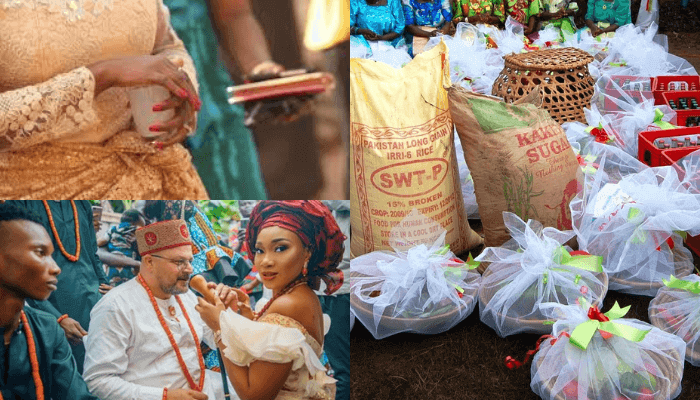
In the age of globalization and changing social norms, it is disheartening to see age-old traditions like exorbitant bride price lists still being commercialized against love and marriage. A recent story making the rounds on social media highlights a Nigerian man living in the UK who canceled his wedding after receiving a staggering N3.5 million bride price list from his fiancée’s family. The demands, cloaked in the guise of tradition, included livestock, drinks, clothing, and cash gifts. This incident not only underscores the often exploitative nature of such practices but also raises critical questions about the future of cultural customs in a rapidly modernizing world.
Bride price, traditionally, is intended as a token of appreciation from a groom’s family to the bride’s family. It symbolizes respect and acknowledgment of the role the family played in raising the woman. However, in many parts of Africa, including Nigeria, this practice has been commercialized, turning what was once symbolic into a financial transaction.
In the case at hand, the bride price list was not a humble acknowledgment of tradition but an outright demand for wealth. Worse still, the bride reportedly supported her family’s demands, citing Nigeria’s economic challenges. This left the groom, who had planned to invest in her future, questioning whether he was marrying a partner or purchasing an asset.
For the man in question, the emotional toll was immense. Despite navigating the complexities of a long-distance relationship and being genuinely committed to his fiancée, he was forced to reconsider his plans. His frustration was not just about the financial burden but about the implications of such demands.
Marriage is meant to be a partnership built on mutual respect and shared goals. The woman’s support for her family’s exorbitant demands signaled a lack of consideration for their future together.
Not only that, demanding N3.5 million is not about honoring tradition; it is about taking advantage of cultural norms to exploit others financially. Against the foregoing backdrop, it is not out of place to ask, “How can a marriage built on financial strain and one-sided expectations flourish?” The groom rightfully questioned the sustainability of a relationship founded on such terms.
It is undeniable that Nigeria’s economic challenges have placed immense pressure on families. Unemployment, inflation, and a rising cost of living have made survival difficult. For some, bride price lists become an opportunity to offset these struggles. However, this approach is not only short-sighted but also destructive.
While cultural practices are important, they must evolve to reflect current realities. When bride price becomes an avenue for families to demand outrageous sums, it ceases to be a cultural rite and transforms into a form of economic oppression.
Without a doubt, the commercialization of bride price has far-reaching implications. This is as it discourages genuine suitors. Many potential suitors walk away due to the financial burden, leaving women to bear the brunt of their family’s greed.
In fact, when a man feels like he “bought” his wife, it can lead to power imbalances, resentment, and even abuse in the marriage, thereby eroding the value of love, even as the focus shifts from love, companionship, and mutual growth to monetary transactions and material expectations.
It is high time families stopped treating their daughters as commodities to be traded for financial gain. Parents and family members must recognize the long-term harm caused by such practices. Instead of burdening potential grooms with unrealistic expectations, families should prioritize their daughters’ happiness and the sustainability of the marriage.
Moreover, women must take a stand. In this story, the bride’s inability to challenge her family’s demands cost her a promising future with a man who was ready to invest in her growth. Women should advocate for their autonomy and push back against practices that reduce them to negotiable assets.
Given the foregoing, it is germane to suggest in this context that there is the need for the reevaluation of cultural practices across communities in Nigeria. In fact, communities must engage in conversations about modernizing traditions like bride price, and cultural practices should not become tools of oppression.
In a similar vein, there is the need to educate families. Ministries of culture across the states can embark on educating and enlightening families on the need to understand that their daughters’ future happiness is more valuable than temporary financial gain.
In a similar vein, women should be empowered to make decisions about their relationships without undue influence from their families.
Without a doubt, the story of the man who canceled his wedding over a N3.5 million bride price list is a cautionary tale. It highlights the urgent need to address exploitative cultural practices that hinder love and partnership. Marriage should be about building a life together, not about financial transactions that leave one party feeling exploited.
As we navigate the complexities of culture and modernization, let us strive to uphold traditions that build, not destroy. It is time to leave behind practices that sell daughters in the name of bride price and embrace a future where love, respect, and equality are the cornerstones of marriage.


























You must be logged in to post a comment Login