Opinion
Brucellosis: The Hidden Plague Lurking in Our Livestock and Dinner Tables and Silent Zoonotic Threat Bridging Animal and Human Health -By Dr. Umoru Moris, DVM
Brucellosis has persisted for decades despite advances in veterinary medicine and food safety. In many parts of the world, it remains endemic, quietly undermining livelihoods and health systems. For those working closely with cattle, goats, sheep, or swine, the risks are constant yet often overlooked until symptoms appear in animals or family members.

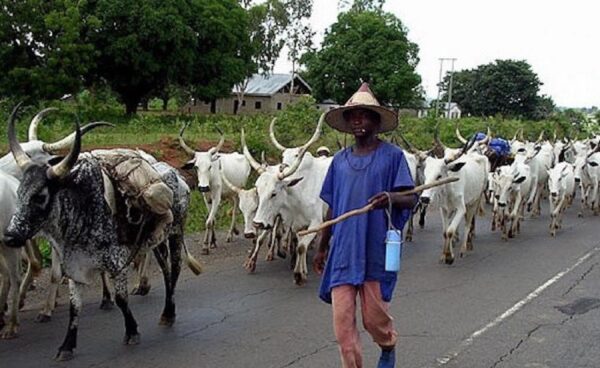
In rural communities where livestock form the backbone of daily life, a single undetected infection in a herd can quietly ripple into human suffering. Brucellosis, a bacterial disease passed from animals to people, continues to challenge veterinarians, farmers, and public health officials worldwide. Its ability to thrive in both domestic animals and humans makes it a compelling example of why integrated health strategies are no longer optional but essential.
Brucellosis has persisted for decades despite advances in veterinary medicine and food safety. In many parts of the world, it remains endemic, quietly undermining livelihoods and health systems. For those working closely with cattle, goats, sheep, or swine, the risks are constant yet often overlooked until symptoms appear in animals or family members. Understanding this disease through a veterinary lens reveals its profound implications for public health and why controlling it at the animal level is the most effective way to protect people.
The disease is caused by several species of Brucella bacteria, which target reproductive and other tissues in animals while causing systemic illness in humans. Transmission occurs primarily through contact with infected birth fluids, placentas, milk, or meat. People become infected by consuming unpasteurized dairy products, handling contaminated tissues without protection, or inhaling aerosols during farm or slaughter activities. These pathways highlight the intimate connection between animal husbandry practices and human exposure.
Several factors sustain brucellosis in animal populations and facilitate its jump to humans. In livestock, the bacteria spread efficiently during birthing or breeding, with infected animals often shedding organisms for years even after apparent recovery. Poor biosecurity on farms, lack of routine testing, and movement of animals between herds accelerate spread. On the human side, cultural preferences for raw milk and artisanal cheeses, combined with limited access to pasteurization or veterinary services in developing regions, create ongoing vulnerabilities. Occupational exposure remains high among veterinarians, herders, and meat processors who may not always use adequate protective equipment.
The impacts extend far beyond individual cases. In animals, brucellosis leads to abortions, weak offspring, reduced milk production, and infertility, resulting in significant economic losses for farming families. For humans, the illness often begins with recurring fever, fatigue, joint pain, and sweating symptoms that can persist or relapse for months or years if not properly treated. Farmers and their families in endemic areas face not only health burdens but also reduced productivity and medical costs. In severe cases, complications such as arthritis, heart inflammation, or neurological issues arise, disproportionately affecting rural populations with limited healthcare access. This creates a cycle where animal disease directly erodes community well-being and food security.
Effective solutions require coordinated action across sectors. Vaccination of livestock, combined with test-and-slaughter programs in controlled settings, has successfully reduced prevalence in many countries. Routine pasteurization of milk, proper cooking of meat, and strict hygiene during animal handling are simple yet powerful preventive steps. Veterinarians play a pivotal role by educating farmers, enforcing movement controls, and collaborating with public health authorities for rapid response. Public awareness campaigns that discourage consumption of raw dairy products while respecting local traditions can shift behaviors sustainably. Strengthening surveillance systems that link animal and human health data is critical for early detection and containment.
Brucellosis reminds us that the health of animals and humans is inseparable. By prioritizing robust veterinary programs and cross-sector partnerships, we can reduce its burden and build more resilient communities. The quiet work of controlling this zoonotic disease in our herds today will safeguard countless human lives tomorrow proving that true public health begins in the barn and the field.
DR UMORU MORIS, DVM