Africa
Climate Change And The Farmer’s Cry: Adapting To A Drying Sahel -By Hadiza Ibrahim Ba’aba
In the dusty air of a West African sunset, one can still see silhouettes of farmers walking home after another long day in the fields. Their hope, though tested, has not died. It is carried in the seeds they plant, the trees they nurture, and the prayers they whisper for rain. The future of the Sahel depends on the world’s willingness to act — and on the unbreakable spirit of those who refuse to give up on their land. Through innovation, unity, and determination, the people of the Sahel continue to remind us that even in the face of a drying earth, life can still take root and flourish.

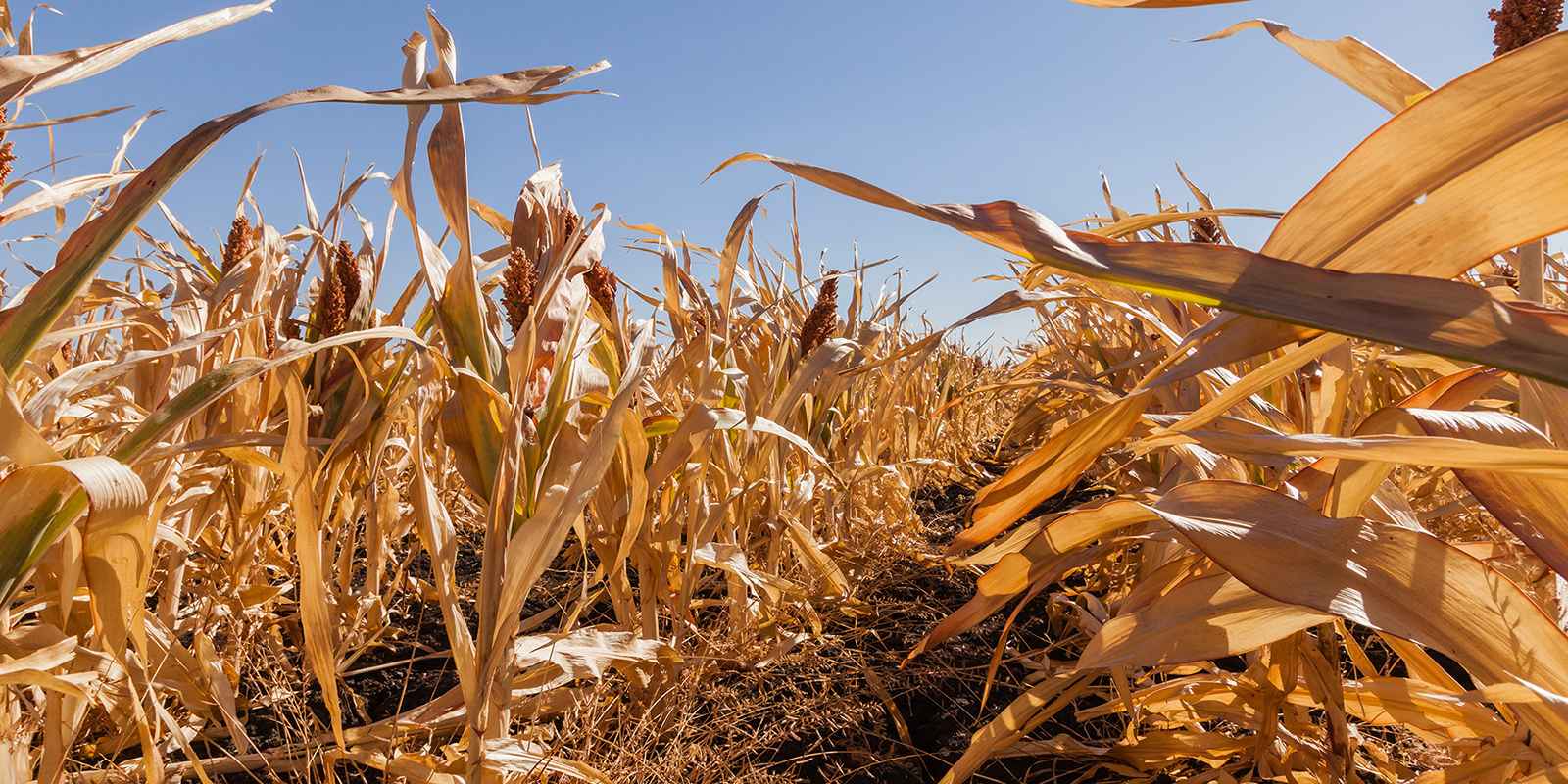
The Sahel region of West Africa, stretching from Senegal to Chad, was once known for its vast grasslands, rich soil, and rhythmic cycles of rain and harvest. Today, that landscape is changing dramatically. The once-predictable rains now come late, fall irregularly, or fail altogether, leaving farmers at the mercy of an unpredictable climate. In many communities, dry winds have replaced cool breezes, and cracked earth has replaced fertile farmland. The story of the Sahel is no longer one of abundance but of survival — a desperate struggle to adapt to the harsh realities of climate change. Across villages in Niger, Mali, and northern Nigeria, farmers wake each morning not knowing whether the day will bring rain or ruin. The shifting climate has become more than an environmental problem; it is a humanitarian crisis that touches every aspect of life.
In communities across the region, farming is not just an occupation — it is a way of life, a legacy passed from generation to generation. But that legacy is now in jeopardy. Crops that once grew effortlessly, such as millet, sorghum, and maize, are failing under the weight of extreme heat and drought. For many farmers, the decline in agricultural productivity has meant shrinking incomes and food insecurity. Families that relied on harvests to feed their households and pay school fees now find themselves struggling to survive. Some have turned to alternative livelihoods like petty trading or migration to urban centers in search of work. However, even cities are not immune to the effects of climate change, as rising temperatures and resource scarcity trigger new forms of economic pressure. The consequences are deeply felt, eroding not only livelihoods but the cultural identity of farming communities that once thrived on the rhythm of the seasons.
Scientific studies show that the Sahel is one of the fastest-warming regions on the planet, with average temperatures rising about 1.5 times faster than the global average. This acceleration has brought frequent droughts, flash floods, and desertification that threaten both crops and livestock. The Sahara Desert continues to creep southward, swallowing grazing lands and displacing entire communities. Environmental experts warn that without swift action, the Sahel could become uninhabitable for millions within the next few decades. Climate change has blurred the line between the wet and dry seasons, making traditional farming calendars unreliable. In places like Borno and Kano, Nigeria, farmers who once planted crops confidently in May now wait anxiously, unsure when the rains will begin. The rhythm of life has been disrupted, and adaptation is now a necessity, not a choice.
Yet, amidst the challenges, stories of resilience and innovation are emerging. Across West Africa, farmers are learning new techniques to survive in a hotter, drier world. In Burkina Faso, communities have revived ancient water-harvesting methods, digging “zai pits” — small holes that trap rainwater and concentrate nutrients around crops. In Niger, farmers are practicing agroforestry by planting drought-resistant trees alongside crops to prevent soil erosion and retain moisture. These techniques, though simple, have proven powerful in restoring fertility to degraded lands. Non-governmental organizations, such as the Great Green Wall Initiative, are working across borders to plant millions of trees and halt the march of desertification. This continental effort has become a symbol of unity, hope, and determination to reclaim the land from the encroaching desert.
Despite these positive efforts, the scale of the problem demands more than community action. Many rural farmers lack access to climate information, modern irrigation systems, and financial support. Government policies across West Africa often focus on short-term solutions, leaving long-term resilience plans underfunded or ignored. Climate financing from international organizations is often slow to reach local communities, where it is needed most. Women farmers, who make up nearly half of the agricultural workforce, are especially vulnerable because they have less access to land ownership and credit. This gender gap in adaptation resources limits the effectiveness of climate resilience strategies. Without addressing inequality, true adaptation will remain out of reach. The fight against climate change, therefore, is not only environmental — it is social and economic.
Urban migration has become one of the most visible consequences of climate stress in the Sahel. As farming becomes unsustainable, young people leave their villages in droves, heading to cities or crossing borders in search of opportunity. In places like Maiduguri, Niamey, and Bamako, the influx of displaced farmers has created new social challenges, including overcrowding, unemployment, and rising tension over limited resources. The migration wave also fuels instability, as desperation can make young people vulnerable to recruitment by extremist groups or criminal networks. Climate-induced migration, once seen as temporary, is now becoming permanent, reshaping the demographics of West Africa. This transformation threatens to widen inequality and deepen existing social divides unless governments act quickly to provide sustainable alternatives.
Education and technology are proving to be vital tools in helping farmers adapt. In recent years, digital platforms have emerged to provide weather forecasts and agricultural advice via mobile phones. For instance, the “Ignitia” app in Ghana uses satellite data to send daily localized weather updates to farmers, helping them plan their planting cycles more effectively. Similarly, radio programs in local languages broadcast climate adaptation strategies to remote communities. In Nigeria, organizations are training young farmers in climate-smart agriculture, teaching techniques like drip irrigation, organic composting, and crop rotation. These innovations are equipping farmers not only with knowledge but also with hope — a sense that they can still shape their destiny despite changing conditions. Technology, when paired with education, becomes a bridge between tradition and modern resilience.
Governments across the region are beginning to recognize that climate change is not a distant threat but an immediate crisis requiring coordinated action. The Economic Community of West African States (ECOWAS) has launched regional policies aimed at sustainable land management and renewable energy promotion. Some countries, such as Senegal and Ghana, are investing in solar-powered irrigation systems to ensure year-round farming. International collaborations with the United Nations and the African Union are bringing more funding to local adaptation projects. However, for these efforts to succeed, transparency and community involvement are essential. Policies imposed from the top often fail to address the unique realities of local farmers. True progress must grow from the grassroots, guided by those who understand the land best.
As the Sahel continues to warm, the cry of the farmer grows louder — a cry not just for rain but for justice, support, and recognition. Climate change, after all, is not caused by those who suffer most from its effects. The people of the Sahel contribute the least to global emissions, yet they face the harshest consequences. Their resilience in the face of adversity is a lesson for the world about endurance and collective responsibility. If the international community truly values sustainability, then empowering Sahelian farmers must be a global priority. The survival of the Sahel is not just an African issue; it is a human issue.
In the dusty air of a West African sunset, one can still see silhouettes of farmers walking home after another long day in the fields. Their hope, though tested, has not died. It is carried in the seeds they plant, the trees they nurture, and the prayers they whisper for rain. The future of the Sahel depends on the world’s willingness to act — and on the unbreakable spirit of those who refuse to give up on their land. Through innovation, unity, and determination, the people of the Sahel continue to remind us that even in the face of a drying earth, life can still take root and flourish.
Hadiza Ibrahim Ba’aba is a 300 level student from Kashim Ibrahim University (Formerly Borno State University, Maiduguri)