Africa
Climate Change in Nigeria: A Looming Threat to Development and Survival -By Ibrahim B. Mshelia
Climate change is also a growing public health concern in Nigeria. Rising temperatures and increased humidity have led to the spread of diseases such as malaria, cholera, and Lassa fever. Flooded areas become breeding grounds for mosquitoes and bacteria, while heatwaves increase cases of dehydration and heatstroke. The health system, already under strain, faces challenges in responding to these climate-induced pressures.

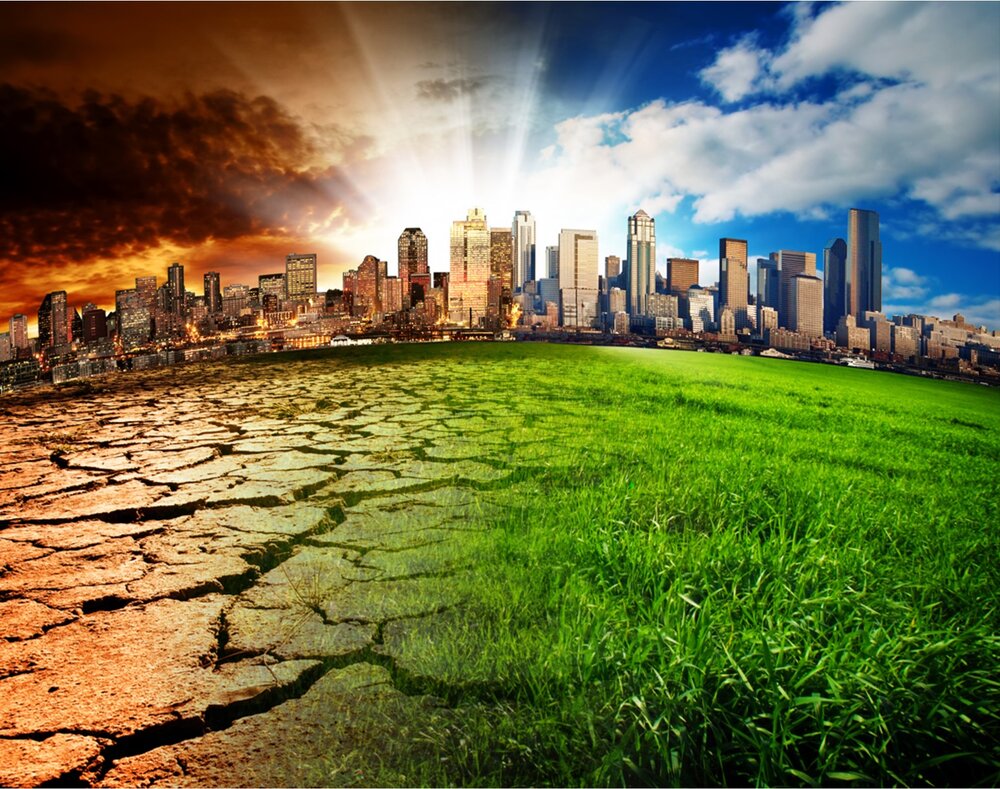
Climate change is no longer a distant environmental threat—it is a present and escalating crisis, especially in developing countries like Nigeria. Located in the tropical region of West Africa, Nigeria faces a unique set of climate challenges due to its vast size, diverse ecosystems, and growing population. Rising temperatures, erratic rainfall patterns, desertification, and increased flooding are just a few of the manifestations of climate change that are already affecting the country.
In recent years, Nigeria has recorded steadily increasing average temperatures. According to the Nigerian Meteorological Agency (NiMet), the country has warmed by over 1.5°C since the early 20th century. In the northern regions such as Sokoto, Maiduguri, and Kano, daytime temperatures now often exceed 45°C during peak heat seasons. These rising temperatures are not only uncomfortable but also detrimental to health, agriculture, and water availability.
Rainfall in Nigeria has become less predictable and more intense in certain periods. Farmers who traditionally relied on consistent rainy seasons for planting are now struggling with either delayed rainfall or unexpected dry spells. In 2024, major agricultural belts in the Middle Belt and South-East experienced prolonged droughts followed by sudden floods, destroying crops and reducing harvests. This inconsistency threatens food security in a country already facing inflation and economic instability.
One of the most visible impacts of climate change in Nigeria is desertification, particularly in the Sahel region that stretches across the far north. Areas such as Yobe, Borno, and Katsina have seen their arable land turn to dust, driving rural populations southward in search of better conditions. This environmental degradation is not only a climate issue—it also feeds into national security, as competition over dwindling resources can fuel communal conflict and displacement.
Nigeria’s extensive coastline, especially in states like Lagos, Bayelsa, and Rivers, is increasingly under threat due to rising sea levels. Coastal erosion is accelerating, submerging farmlands, villages, and roads. Lagos, one of Africa’s fastest-growing cities, faces periodic flash floods and sea encroachment, worsened by unregulated urban development. Without proper coastal defenses, millions of Nigerians could be at risk of displacement in the coming decades.
Annual floods have become more destructive and widespread across Nigeria. In 2022 and 2023, catastrophic floods affected over 3 million people, according to the National Emergency Management Agency (NEMA). In 2024, the Niger and Benue river basins again overflowed, causing hundreds of deaths and billions of naira in damage. Urban flooding in cities like Abuja and Port Harcourt is also exacerbated by poor drainage infrastructure and unchecked construction in flood-prone areas.
Agriculture is the backbone of Nigeria’s economy, employing over 35% of the workforce. However, climate variability is severely affecting productivity. Maize, rice, and cassava yields have declined in several regions due to extreme weather. Livestock farmers are also affected as water sources dry up and pasture becomes scarce. This is causing clashes between farmers and herders, especially in the North-Central and Southern states, further destabilizing communities.
Climate change is also a growing public health concern in Nigeria. Rising temperatures and increased humidity have led to the spread of diseases such as malaria, cholera, and Lassa fever. Flooded areas become breeding grounds for mosquitoes and bacteria, while heatwaves increase cases of dehydration and heatstroke. The health system, already under strain, faces challenges in responding to these climate-induced pressures.
While Nigeria is not a major global polluter—contributing only about 0.3% to global greenhouse gas emissions—it is highly vulnerable to the consequences of global warming. However, within the country, the burning of fossil fuels, deforestation, and gas flaring are significant contributors to local environmental degradation. The Niger Delta, for instance, continues to suffer from decades of oil spills and gas flaring, which not only harm the environment but contribute to local warming.
The Nigerian government has shown increasing awareness of the threat posed by climate change. In 2021, Nigeria committed to achieving net-zero emissions by 2060 at the COP26 summit in Glasgow. The Climate Change Act was signed into law, creating a legal framework for addressing climate issues. However, implementation remains weak due to corruption, lack of funding, and poor inter-agency coordination. Many state governments lack dedicated climate plans, leaving them unprepared for future challenges.
Civil society organizations and youth-led climate movements are playing an increasingly active role in raising awareness and pushing for environmental reforms. From tree-planting initiatives in Kano to climate education in Lagos, grassroots movements are filling gaps left by government inaction. There is also growing innovation in renewable energy, with small-scale solar startups helping rural communities reduce dependence on diesel and firewood. However, these efforts need greater support and investment to scale meaningfully.
To survive and thrive in the face of climate change, Nigeria must prioritize adaptation strategies. This includes improving early warning systems, investing in climate-resilient infrastructure, and enforcing environmental laws. Reforestation, sustainable agriculture, and better water management are also essential. Importantly, climate action must be integrated into national development plans to ensure that economic growth does not come at the expense of environmental sustainability.
Climate change is not just an environmental issue—it is a threat multiplier that affects every aspect of life in Nigeria. From health and food to security and economy, the effects are already being felt, especially by the most vulnerable. While Nigeria cannot reverse global warming alone, it can take bold steps to protect its people and environment. The time for action is now. The costs of inaction will only grow, as will the suffering of millions who depend on the land, the rivers, and the climate to survive.
Umar Mohammed Shettima student of mass communication Borno State University Maiduguri.