National Issues
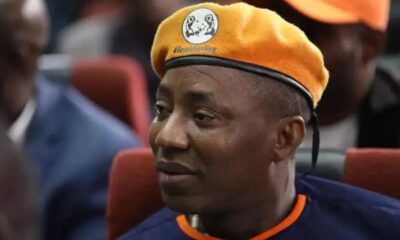
Democracy Under Fire: Sowore and the Criminalization of Political Criticism in Nigeria -By Daniel Nduka Okonkwo
Nigeria stands at a Dunkirk. The manner in which its courts interpret cybercrime laws in relation to political speech will shape the future of democratic debate in the country. Protecting dissent is not about shielding individuals from criticism; it is about safeguarding the democratic soul of the nation.

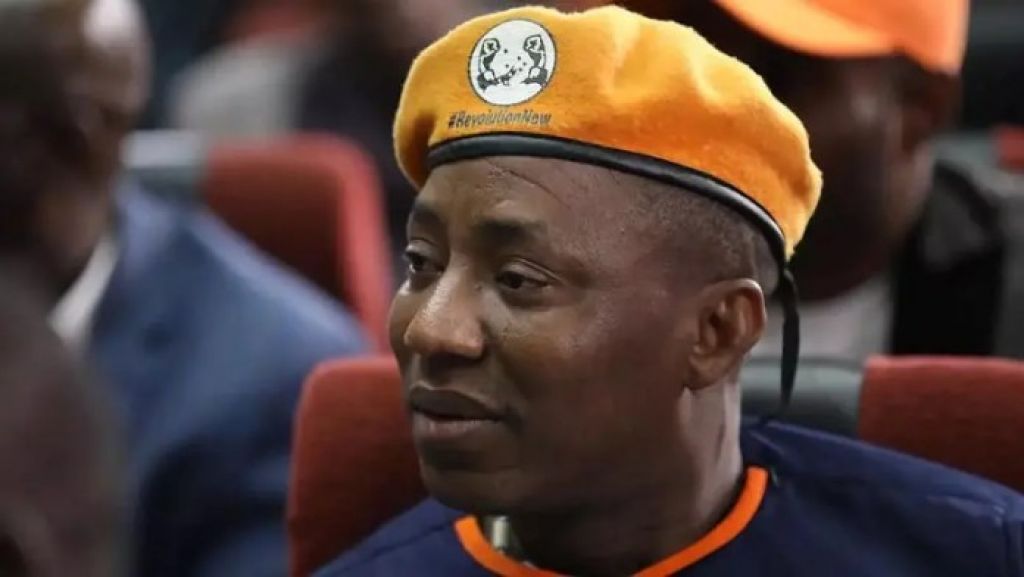
In Nigeria today, journalists, activists, lawyers, and other defenders of democracy often find themselves treated less like guardians of the public interest and more like criminals. The use of cybercrime laws against those who challenge authority has created an atmosphere in which legitimate dissent is increasingly conflated with unlawful conduct. This troubling trend raises urgent questions about the boundaries of free speech, the role of the judiciary, and the pliability of democratic values in the face of legal instruments that can be used to silence criticism.
In every democracy, the right to speak truth to power is not merely a privilege; it is the lifeblood of accountability. Nigeria’s constitutional framework recognizes this principle by enshrining freedom of expression in Section 39(1) of the 1999 Constitution. Yet, the rise of cybercrime legislation has sparked an important question: where does legitimate political criticism end and criminal conduct begin?
Political speech enjoys the highest level of protection in constitutional democracies. Citizens must remain free to question, criticize, and even condemn their leaders without fear of reprisal. To criminalize such speech is to weaken the very foundation of democratic governance.
The Cybercrimes (Prohibition, Prevention and Amendment) Act, 2024 was designed to combat harassment, threats, and malicious falsehoods online. However, when applied too broadly, it risks becoming a tool for suppressing dissent. A narrow and careful interpretation is therefore essential, one that clearly distinguishes genuine cyberbullying from robust political debate.
Nigeria is bound by the African Charter on Human and Peoples’ Rights and the International Covenant on Civil and Political Rights. Both instruments emphasize that restrictions on speech must be necessary, proportionate, and directed toward legitimate objectives. Criminalizing criticism of public officials fails this standard and risks placing Nigeria at odds with its international obligations.
For cyberbullying charges to stand, prosecutors must demonstrate actual harm or harassment. Mere insults or offensive language do not necessarily meet this threshold. Courts must remain vigilant to ensure that laws are not stretched beyond their intended purpose simply to punish speech because it is uncomfortable or unpopular.
Equally important is the principle of impartial justice. Section 36 of the Constitution guarantees the right to a fair trial, and allegations of judicial bias, if substantiated, strike at the heart of public confidence in the justice system. Safeguards such as recusal applications exist precisely to protect this cornerstone of democracy.
At stake is more than the fate of any individual defendant. The broader public interest lies in protecting democratic discourse itself. Criminalizing political criticism risks chilling free speech, discouraging civic engagement, and eroding accountability. Courts must therefore adopt purposive interpretations of the law that balance legitimate state interests with the constitutional freedoms that sustain democracy.
Nigeria stands at a Dunkirk. The manner in which its courts interpret cybercrime laws in relation to political speech will shape the future of democratic debate in the country. Protecting dissent is not about shielding individuals from criticism; it is about safeguarding the democratic soul of the nation.
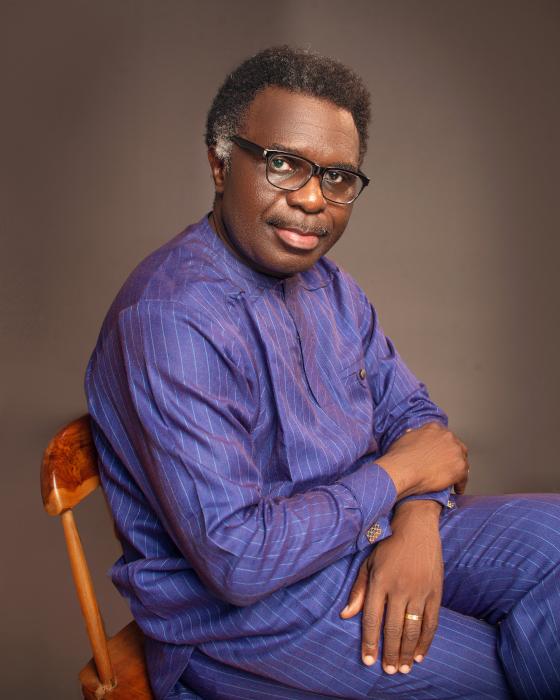
Daniel Nduka Okonkwo is a Nigerian investigative journalist, publisher of Profiles International Human Rights Advocate, and a policy analyst whose work focuses on governance, institutional accountability, and political power. He is also a human rights activist and advocate, with a strong commitment to justice and transparency.
His reporting and analysis have been featured in Sahara Reporters, African Defence Forum, Daily Intel Newspapers, Opinion Nigeria, African Angle, NewsBreak (local.newsbreak.com), Vanguard Newspaper, Daily Trust Newspapers, and other international media platforms.
He writes from Nigeria and can be reached at dan.okonkwo.73@gmail.com.