Africa
Echoes of the Past, Choices of Today: Will Kano’s Throne Withstand the Test of Time and Wisdom? -By Usman Abdullahi Koli
Great monarchs are remembered not for how fiercely they fought to hold onto power, but for how wisely they managed transitions, prioritized peace, and left behind legacies of honor. The lessons of Kano’s past emirs—from Bagauda to Ado Bayero—should serve as a guide for the present leaders. These revered figures ruled with dignity, wisdom, and a profound sense of duty to their people.

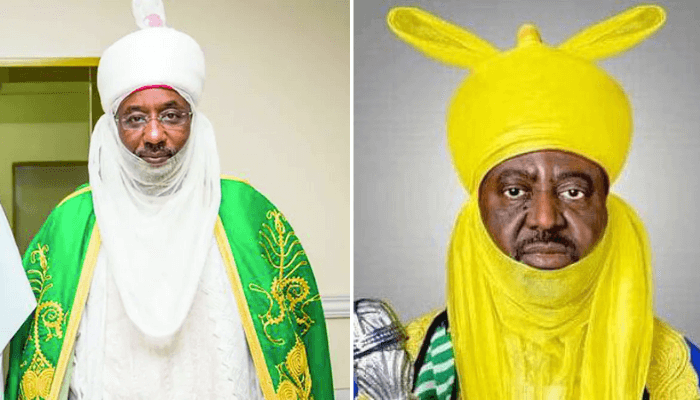
The grandeur of Kano’s emirate is not merely an inheritance of a throne but the custodianship of a deep-rooted history, culture, and tradition that represents the very soul of African heritage. From the era of Bagauda to the reign of Ado Bayero, the emirate has stood as a symbol of resilience, dignity, and continuity. Today, as the emirship tussle continues, it presents a defining moment not just for those directly involved but for the entire Kano people, whose unity and stability rest upon the wisdom of their leaders. It is a moment that demands measured actions, guided by history and the sacrifices of great monarchs who prioritized the collective good over personal ambitions.
The Kano Emirate is no stranger to succession disputes, yet history has shown that wise leaders have navigated such crises with patience, foresight, and a commitment to preserving the integrity of the institution. From the reign of Emir Muhammadu Sanusi I to that of Ado Bayero, the emirate has undergone significant transitions, some peaceful, others contentious, but ultimately resolved with a sense of responsibility toward the larger interest of Kano.
Today, we see echoes of the past in the contest between Emir Muhammadu Sanusi II and Emir Aminu Ado Bayero. While the legal and political dimensions of the crisis continue to unfold, the moral weight on those involved is immense. The key question remains: Will the dignity, harmony, and prestige of Kano take precedence over personal interests, or will history remember this episode as a moment of avoidable discord?
History is replete with examples of monarchs who faced displacement yet responded with wisdom, ensuring that their thrones remained symbols of honor rather than sources of division. In 1936, King Edward VIII of Britain abdicated the throne out of personal conviction, avoiding a constitutional crisis. More recently, King Juan Carlos of Spain voluntarily stepped aside to preserve national unity and dignity. Within Africa, deposed monarchs have often demonstrated restraint, placing the peace of their people above personal grievances.
A particularly relevant example is Emir Muhammadu Sanusi II, who, despite the political undertones of his removal in 2020, did not mobilize his supporters to challenge the decision. Instead, he accepted his fate with remarkable composure, trusting destiny and the historical cycle that governs leadership.
Governor Abba Kabir Yusuf bears an enormous responsibility in ensuring that his administration’s actions do not fuel unnecessary tensions in Kano. While he holds constitutional authority over traditional institutions, wisdom dictates that such decisions be made with a far-reaching vision—one that safeguards Kano’s unity, stability, and the sanctity of its traditions. Political decisions should not be allowed to erode the revered position of the emirate.
To Emir Aminu Ado Bayero, this moment calls for deep introspection on the true essence of leadership. His revered father, Emir Ado Bayero, was an emblem of peace, patience, and sagacity. The respect he commanded was not merely because he sat on the throne, but because of his ability to navigate crises with wisdom. Now, his son faces a historic test: will he allow personal ambition to override Kano’s peace, or will he embrace the noble path of sacrifice? The decisions he makes today will shape how history remembers him.
To Emir Muhammadu Sanusi II, his reinstatement is not just a return to power but an opportunity to lead with renewed wisdom and vision. The expectations upon him are immense—not for vengeance or retribution, but for reconciliation and statesmanship. The people of Kano look up to him to use his vast experience, intellect, and leadership to heal divisions, restore trust, and solidify the emirate as a pillar of stability.
Kano is more than a city; it is a symbol of Africa’s resilience, culture, and civilization. The emirate represents centuries of tradition that must not be tainted by personal conflicts. The world is watching, and history is recording. The real question is not who sits on the throne today, but how that throne is preserved for generations to come.
It is imperative for external influences, particularly those in Abuja, to allow the Kano State Government’s decision to stand. The constitution recognizes states as the custodians of their emirates, and any interference from outside forces risks escalating tensions rather than resolving them. Political insinuators should refrain from fueling discord and instead respect the autonomy of Kano’s leadership.
Now, the great tradition of the Sallah Durbar, which both factions have laid claim to organizing, must not become a battleground for supremacy. The grand procession, deeply embedded in Kano’s cultural and Islamic identity, is meant to unite, not divide. It should not be reduced to a contest of power. Both sides must recognize that personal ambitions should never overshadow the collective peace of Kano. True leadership is tested not in times of comfort but in moments of crisis, and the world is watching to see whether wisdom or ego will prevail.
Great monarchs are remembered not for how fiercely they fought to hold onto power, but for how wisely they managed transitions, prioritized peace, and left behind legacies of honor. The lessons of Kano’s past emirs—from Bagauda to Ado Bayero—should serve as a guide for the present leaders. These revered figures ruled with dignity, wisdom, and a profound sense of duty to their people.
Those who occupy the throne today must ask themselves: Will they be remembered for upholding this legacy, or for diminishing it?
May wisdom prevail over pride, and may Kano remain the fortress of culture, tradition, and unity that it has always been.
Usman Abdullahi Koli,

Continue Reading