Africa
ECOWAS at 50: Celebrating Decades of Regional Integration -By Isah Aliyu Chiroma
As we reflect on our journey at the 50th anniversary of ECOWAS, it is essential to recognize that the strength of our unity will dictate the future trajectory of our region. The challenges we face are monumental, but they are not insurmountable. We must collectively reaffirm our commitment to building a peaceful, prosperous, and integrated West Africa. Our strength lies in our collective action and shared destiny. Together, we can navigate the complexities of our region and create a brighter future for all. The time has come to work hand in hand, leaving no one behind, and ensuring that the vision of ECOWAS is not merely a dream, but an achievable reality for generations to come.

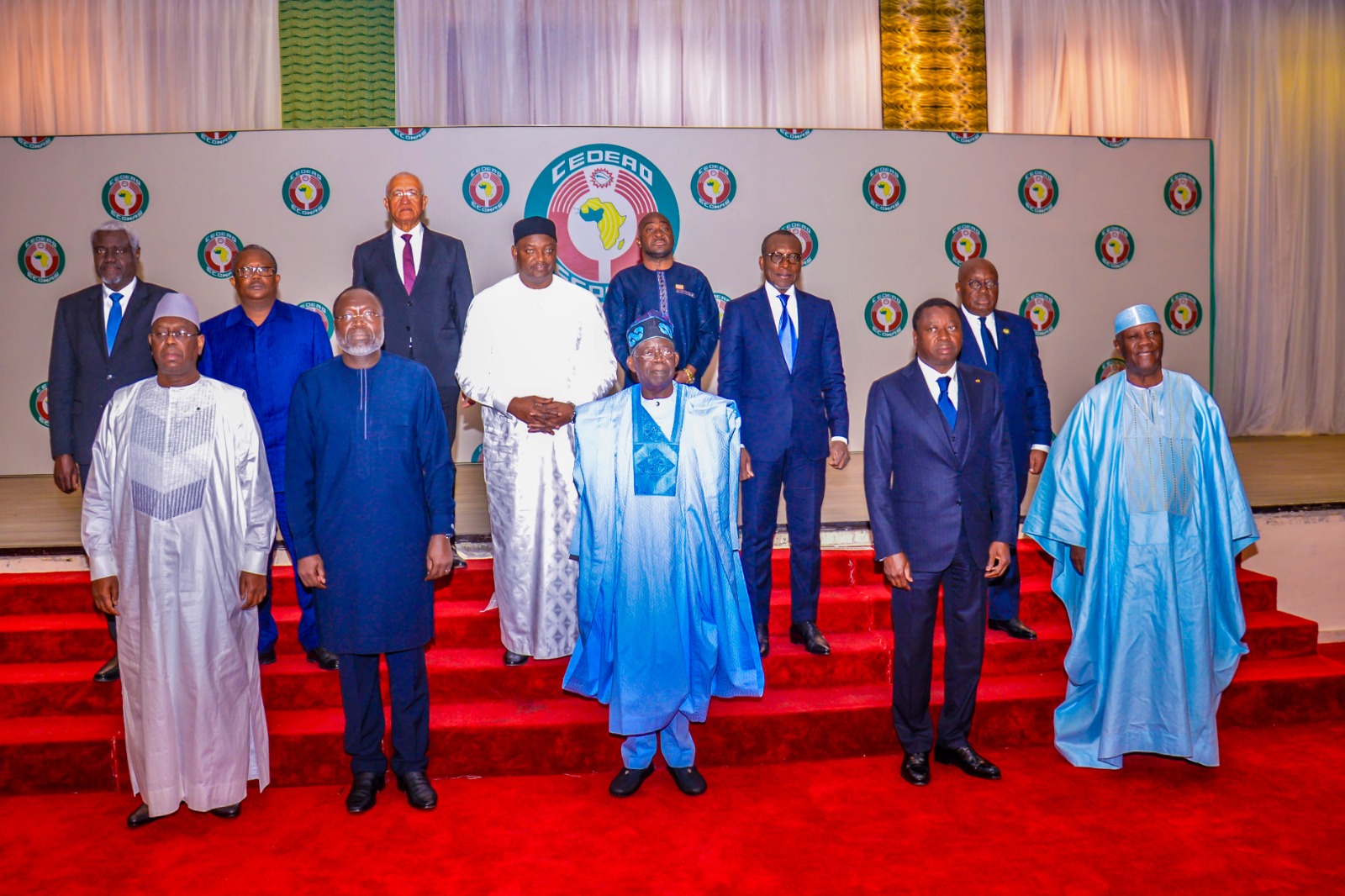
As we mark the 50th anniversary of the Economic Community of West African States (ECOWAS), it is imperative to reflect on both our past achievements and the challenges that lie ahead. This period of introspection allows us recalibrate our commitment to sustainable regional integration, reinforcing our shared destiny as a collective entity. The past few days leading up to the grand celebration on May 28, 2025, held in Lagos, Nigeria, have encouraged extensive discussions about our shared history as a region, our aspirations, and the path forward.
ECOWAS was born out of the necessity to forge economic and political cooperation among its 15 member states. This organization promotes economic integration, development, and stability across West Africa. This has played a vital role in fostering a more interconnected region, one that is resilient to both internal and external challenges. As we celebrate this milestone, we also confront the socio-political fragmentation that colonial borders imposed on our nations.
Growth and development within this framework have not existed without significant hurdles. The military coups, rising extremism, and the strains on governance that have marked our regional landscape. During the celebration to mark the 50th anniversary, the dialogue surrounding the withdrawal of three member states; Niger, Mali, and Burkina Faso was a focal point of deliberation. Their departure from ECOWAS raises important questions about commitment to democratic values and regional cooperation. As we take a look into these issues, we need to recognize that democracy is an ongoing process, not an event, one that requires continuous engagement and effort.
The strength of ECOWAS lies not only in its rich history but also in its future potential. The organization remains steadfast in its vision of a united, fair, and forward-thinking West African community. Visionary leadership is essential in addressing regional challenges. The recent summit brought together heads of state and representatives who resonated with the call for collective action to address common threats, from terrorism to climate change and economic disparities.
One of the crucial calls was for a unified regional strategy to address security threats. With the persistent threat of violent extremism and the destabilizing impact of military coups, we must stand firm in our commitment to regional integration. The discussion emphasized that a challenge faced by one member nation is inherently a threat to all. This mutual vulnerability underscores the importance of collective problem-solving. ECOWAS’s role is not merely to act as a bloc but as building block for peace, prosperity, and shared progress for all its citizens.
The West African region has experienced an alarming level of instability. The frequency of military coups has raised serious concerns about governance and democracy, especially with the rise of military regimes that have distanced themselves from long-standing partnerships like the Euro-Sahelian security alliances and the G5. The summit in Lagos provided a platform for member states to not only discuss these issues but to reaffirm their dedication to restoring democratic governance throughout the region. Initiatives such as the Regional Partnership for Democracy (RPD), which focuses on deepening democratic governance and regional cooperation, is a critical tool in overcoming common challenges.
The recent summit showcased a renewed sense of hope and unity among nations. Leaders articulated a renewed commitment to re-engaging Niger, Mali, and Burkina Faso, emphasising the importance of welcoming back our estranged member states. Our interconnectedness is vital not only for our stability but also for the overall progression of our continent.
In light of the challenges our region faces; including poverty, climate change, and economic inequalities, the call for collaborative efforts resonated deeply. It was a moment where leaders came together, unified by a shared understanding that regional stability hinges on strategic leadership and collective responsibility. Nigeria, being a key driver in this mission, need to continue its efforts for peace, development, and stability in West Africa. Nigeria’s geopolitical strategy plays an important role in advocating for comprehensive regional policies to tackle interconnected issues.
As we celebrate decades of regional integration, we also embrace the aspirations that come with such milestones. This moment was not merely a recollection of the past but a powerful reminder of our potential. There is a sense of hope that the next decades to come, will usher us an era of deeper integration and shared prosperity. As a community, we have the ability to transform challenges into opportunities by fostering an inclusive society where all member states thrive.
An important part of the West African region is the opportunity for economic cooperation. With the African Continental Free Trade Area (AfCFTA) and various bilateral agreements in the works, the potential for enhanced trade and economic collaboration is immense. ECOWAS stands as a crucial platform for these initiatives, providing member states with the necessary framework to explore new avenues for growth. The region needs a collaborative effort in eradicating poverty and tackling climate change. Regional leadership must ensure that our integration efforts prioritize not just economic growth but also social equity and environmental sustainability.
As we reflect on our journey at the 50th anniversary of ECOWAS, it is essential to recognize that the strength of our unity will dictate the future trajectory of our region. The challenges we face are monumental, but they are not insurmountable. We must collectively reaffirm our commitment to building a peaceful, prosperous, and integrated West Africa. Our strength lies in our collective action and shared destiny. Together, we can navigate the complexities of our region and create a brighter future for all. The time has come to work hand in hand, leaving no one behind, and ensuring that the vision of ECOWAS is not merely a dream, but an achievable reality for generations to come.