Africa
Floods—Borno will happen again and again, by Prince Charles Dickson PhD

Color TV transmission was introduced first at Benue Plateau Television, Jos, in July 1974 and in India it was introduced in 1979
In October 2022, I penned the essay Nigeria, the floods and the ‘we never ready culture’ in that admonition and at that time—
The United Nations Children’s Fund (UNICEF) had stated that over 1.5 million children in Nigeria were at an increased risk of waterborne diseases, drowning and malnutrition, as a result of the severe flooding in many parts of the country.
According to the statement released by the UN body at the time, the flood which had affected over 2.5million adults and children in 34 had displaced 1.3 million people.
Cases of diarrhoea and water-borne diseases, respiratory infection, and skin diseases were also revealed to have already been on the rise.
In the north-eastern states of Borno, Adamawa and Yobe alone, a total of 7,485 cases of cholera and 319 associated deaths were reported as of 12 October 2022.
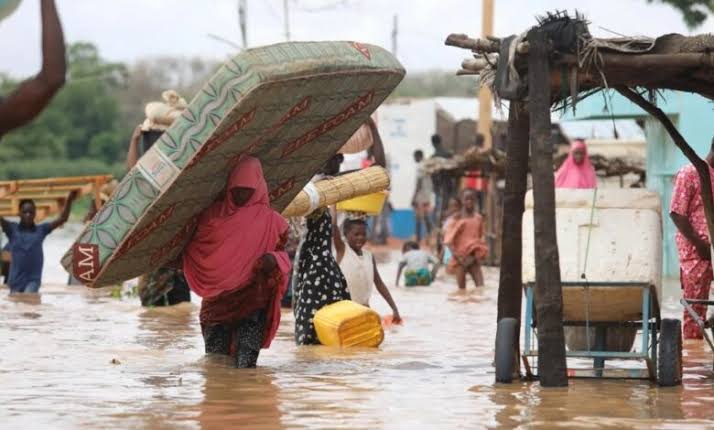
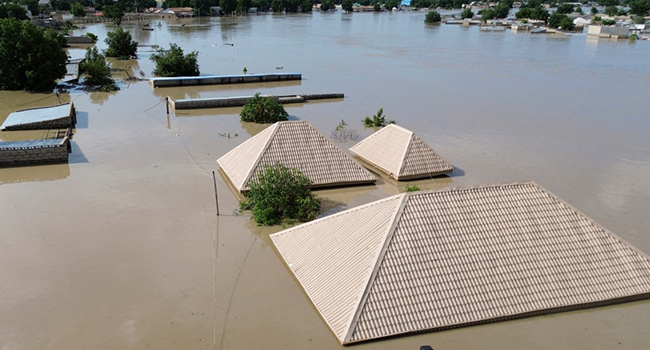
In other news the Humanitarian Minister says the deluge injured more than 2,400 people and partially or completely destroyed over 200,000 homes. With 108,000 hectares of farmland damaged, the floods could also hurt Nigeria’s food supply. Plus, 332,000 hectares of roads and infrastructure have sustained damage.
In Bayelsa state, the former president’s home is submerged in the floods.
Did I add to the fact that in September of that same year, a dam in Cameroon, which borders Nigeria to the east, released excess water. Nigeria does not have a dam to contain the overflow, even though the two countries agreed in the 1980s that one should be built.
That year we were told that it was Nigeria’s worst floods in over a decade, there will be a food crisis alongside displacement and waterborne diseases.
King Charles III, aka Omo Iya Charlie the British monarch, then described the devastating floods that ravaged the country in recent months as deeply saddening.
In a condolence message to then President Muhammadu Buhari, the British monarch said he and his wife were “deeply saddened” about the situation. He sympathised with victims, adding that his thoughts were with those working to support the recovery efforts.
Even the US has provided $1M in support but our government was at a loss on the direction to take.
It’s all too human to look for someone to blame after a huge natural disaster, but that doesn’t help anyone — certainly not the victims, the survivors or the people whose livelihoods were washed away by the masses of water within minutes.
Then I had stated that I hardly approach things like these, with a know-it-all attitude: Nigeria has 200 million politicians, leaders and experts, like in football everyone seems to be a coach, everyone is a disaster relief expert.
I had refused to fixate on the floods, but on very important allied issues around the flood and nationhood. The floods are basically a result of rapid urban growth and poor planning that makes the issue worse. After heavy rains in urban areas, the most common cause of flooding is inadequate drainage systems and equally the almighty climate change.
The President then was in South Korea, to a Bio Summit. No national address, nothing put in place.
I had asked where our soldiers were in this humanitarian disaster? In other climes, the military would have established flood relief camps across the country, with aviation sorties flying to far-flung areas of the country to rescue thousands of stranded people.
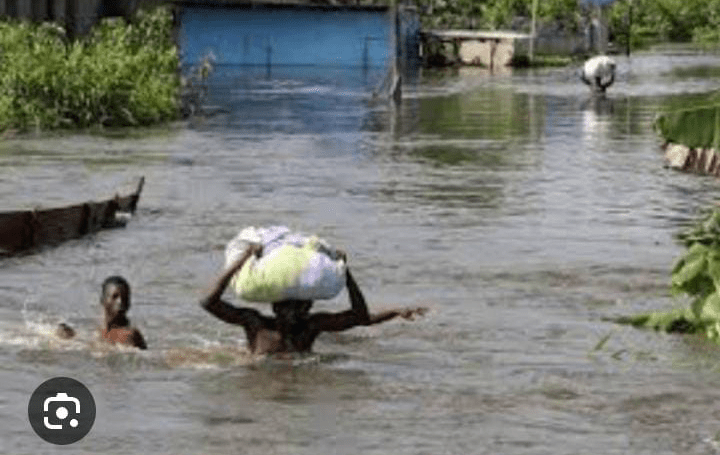
The Nigerian army should ordinarily be the country’s most efficient and well-resourced institution, and best positioned to carry out relief work on the scale warranted by the recent disaster. Sadly, that is not the case.
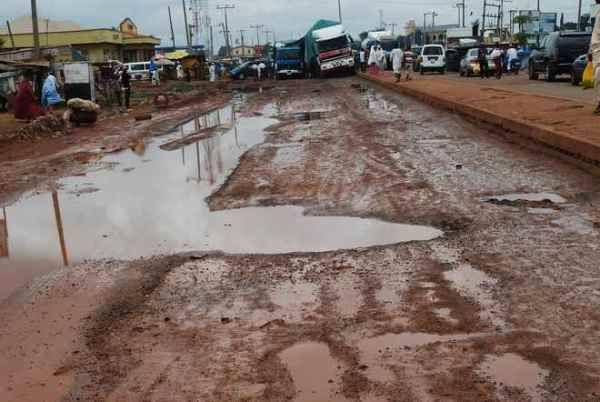
Generally speaking we have no national frameworks, policies, plans, guidelines, and risk assessments, as well as well-stocked warehouses for emergencies and revised building codes specially formulated for disaster preparedness and resilience. When we find one, they are merely limited to paper. In a practical sense, the country has never taken disaster management as a serious matter. There is hardly any work done on improving the institutions that work on disaster management.
As is always the case, states, and local communities generally do not respond to the little Emergency Warning issued by government officials. Flood warnings are taken lightly and no effort ever made to vacate the houses/villages/communities etc. People are left stranded and engulfed in flood water in pockets waiting for government help.
Any emergency response mechanism at the local level did not exist at all then, neither does it now. Inhabitants were not found cooperative with regards to security measures and capacity of boats
Disciplined organization of rescue operation and control of public has not occurred, and this is not far-fetched because Disaster Management which ordinarily should involve cooperative work among multiple organizations from multiple sectors remains poor. There is an absence of a cohesive network.
The Nigerian army is currently not carrying out any major operations in the flooded areas beyond pedestrian relief materials being shared.
Even when the floods recede, there will be no comprehensive review of the National Disaster Management Policy, whether in terms of strengthening it and providing complete clarity on mandates, roles and responsibilities. There will be nothing like a strategic planning network on flood response established immediately to meet periodically (preferably quarterly in ‘peace’ time) to prepare for a cohesive response.
So, Borno state will happen again, and again, because we keep doing the same thing and expecting a different result, the floods will occur again because the bazaar of humanitarian contributions will not go the proper channel and the broken dam will not be repaired. It will happen again because every budget year, monies meant for the repair of the dam, will be stolen and no one held accountable or liable.
I tell you for a fact that Borno like other states in 2022 will happen again and as usual when the water recedes we will just move on, just like it happened two years ago, we are slow to learn, quick to forget.
Borno will happen again, because we are not addressing inadequate drainage systems, rapid urban growth and insufficient disaster management frameworks. It will happen because of the absence of a national concrete relief effort.
There is no ray of hope in the horizon to mitigate future disasters, as there is still no Disaster-resilient infrastructure, national frameworks and policies, participatory approach to disaster management, improved institutions, nor do we invest in research and planning.
Nigeria’s flooding crisis highlights the need for proactive measures. With a lack of preparedness and poor planning, the country remains vulnerable to disasters. It’s time for Nigeria to prioritize disaster management and infrastructure development to protect its citizens and ensure a resilient future.
Borno will happen again, because Color TV transmission was introduced first at Benue Plateau Television, Jos, in July 1974 and in India it was introduced in 1979 decades after we have not moved forward, we have seen growth, but there is no development, our priorities not set right in any form, another few years from now, we did be discussing another flood, and same reasons would apply, are we ready, would our culture allow for planning for the future, and would there ever be sound emergency preparedness construct—Only time will tell, and may Nigeria win.
—
Prince Charles Dickson PhD
Team Lead
The Tattaaunawa Roundtable Initiative (TRICentre)
Development & Media Practitioner|
Researcher|Policy Analyst|Public Intellect|Teacher
234 803 331 1301, 234 805 715 2301
Alternate Mail: pcdbooks@yahoo.com
Skype ID: princecharlesdickson