
Africa
Food Insecurity And The Struggle For Survival In The Sahel Region -By Alkali Alhaji Modu
The fate of the Sahel serves as a powerful reminder of humanity’s interconnectedness. As climate change accelerates, the region’s struggles foreshadow the challenges that other parts of the world may soon face. But the resilience of the Sahelian people—their ability to survive and adapt in the face of hardship—offers a lesson in endurance and unity. With the right support, the Sahel can rise above hunger and become a symbol of sustainable transformation for all of Africa.

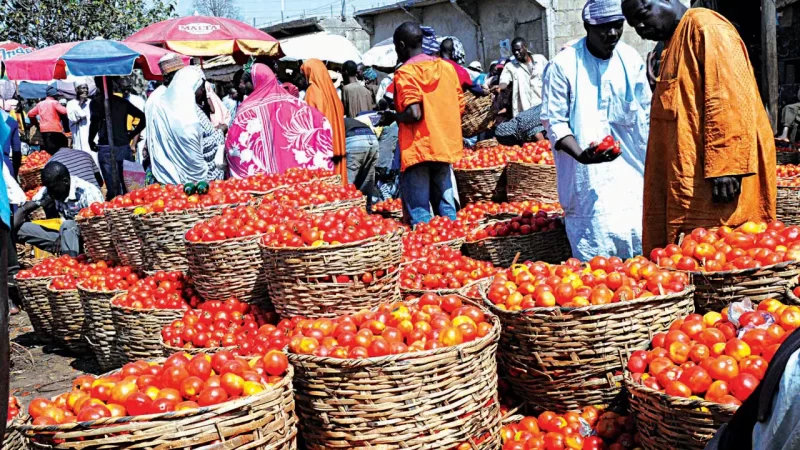
Across the vast Sahel region of West Africa, stretching from Senegal to Chad, millions of people are trapped in a worsening food insecurity crisis. The region, already known for its harsh climate and fragile ecosystems, is facing a combination of challenges—climate change, conflict, poor governance, and population growth—that have made access to food increasingly difficult. According to the United Nations World Food Programme (WFP), more than 45 million people in the Sahel are currently food insecure, with many surviving on emergency aid. The struggle for survival has become a daily reality for countless families who depend on rain-fed agriculture and pastoralism for their livelihoods.
Climate change remains one of the greatest threats to food security in the Sahel. Rising temperatures, irregular rainfall, and prolonged droughts have reduced crop yields and degraded grazing lands. Rivers and water sources are drying up, forcing farmers and herders into direct competition over shrinking resources. In countries like Niger, Mali, and Burkina Faso, desertification has rendered vast areas of land unproductive. The result is a vicious cycle—declining agricultural output leads to hunger, which in turn drives migration and conflict over the remaining fertile lands.
Conflict is another major driver of food insecurity in the region. Armed groups, including insurgents and bandits, frequently attack farming communities, displacing millions from their homes. In northeastern Nigeria, the Boko Haram insurgency has devastated agriculture by preventing farmers from accessing their fields. Similar conflicts in Mali and Burkina Faso have forced people to flee rural areas, leaving farms abandoned and markets disrupted. Food prices have skyrocketed, and humanitarian access has been severely restricted in conflict zones. The collapse of local food systems has pushed entire communities into dependence on external aid.
Women and children are the most affected by this crisis. Malnutrition rates among children under five have reached alarming levels in parts of Chad and Niger. In many households, mothers skip meals so that their children can eat. Lack of access to clean water and healthcare further worsens the situation, leading to disease outbreaks and increased mortality. The crisis also has long-term consequences—malnourished children are more likely to experience stunted growth and poor cognitive development, perpetuating the cycle of poverty for future generations.
International humanitarian organizations have mobilized to respond to the growing crisis, but their efforts are often hampered by insecurity and limited funding. The WFP, FAO, and UNICEF have provided emergency food assistance, seeds, and livestock support to vulnerable families. However, these interventions are short-term solutions to what has become a chronic problem. Experts agree that sustainable agricultural practices, climate adaptation, and regional cooperation are essential to breaking the cycle of hunger in the Sahel. Without long-term investment in local food systems, the region risks recurring food crises year after year.
One promising approach has been the introduction of climate-smart agriculture. These techniques, which include drought-resistant crops, water harvesting systems, and agroforestry, have shown success in improving resilience among smallholder farmers. In Niger, for instance, farmers have revived degraded land through reforestation initiatives known as “Farmer Managed Natural Regeneration.” These grassroots efforts have restored fertility to thousands of hectares of farmland, proving that local innovation can make a difference when adequately supported.
Another key component in addressing food insecurity is improving regional trade and infrastructure. Many parts of the Sahel remain isolated, with poor road networks that make it difficult to transport goods. Strengthening local markets and cross-border trade could help stabilize food prices and ensure a steady supply of essential commodities. Governments must also invest in early warning systems to anticipate droughts and food shortages before they escalate into full-blown crises. Prevention, experts argue, is far more effective—and cheaper—than emergency response.
Ultimately, solving the Sahel’s food insecurity crisis requires a coordinated effort that addresses both immediate needs and underlying causes. Governments must prioritize agricultural reform, invest in rural development, and promote peace and stability. International donors must shift from short-term aid to long-term resilience building. And local communities must be empowered to lead their own development, armed with the knowledge, tools, and resources to withstand future shocks. The fight against hunger in the Sahel is not just about feeding people—it is about restoring dignity, security, and hope to millions of lives.
The fate of the Sahel serves as a powerful reminder of humanity’s interconnectedness. As climate change accelerates, the region’s struggles foreshadow the challenges that other parts of the world may soon face. But the resilience of the Sahelian people—their ability to survive and adapt in the face of hardship—offers a lesson in endurance and unity. With the right support, the Sahel can rise above hunger and become a symbol of sustainable transformation for all of Africa.
Alkali Alhaji Modu is a 300 level student from Kashim Ibrahim University (Formerly Borno State University, Maiduguri)

























You must be logged in to post a comment Login