
Africa
From Ashes to Ascent: Two Years of Tinubu’s Transformative Leadership -By Alex Oware
Nigeria’s journey under President Tinubu mirrors the paths taken by other nations that successfully navigated periods of profound economic crisis. Countries like Japan, South Korea, and Ireland, which today stand as economic powerhouses, each faced immense challenges in their past. Their transformations were not accidental but the result of strategic policies, bold reforms, and sustained national resolve. Like Nigeria in this present day, they endured initial hardship as their economies underwent necessary recalibrations. The parallels are striking: the short-term pain endured for long-term gain, a commitment to transparency, a drive for diversification, and the prioritisation of human capital development.


President Bola Ahmed Tinubu’s second anniversary in office is at a point where Nigeria stands at a pivotal moment, reflecting on a period characterised by unprecedented challenges and a determined resolve to reshape the nation’s economic trajectory. The overarching theme, “From Ashes to Ascent,” is not merely a slogan but a profound philosophy underpinning the administration’s belief that the inherited quagmire demanded radical, albeit painful, reforms to prevent the country from “further drifting into the precipice.”
President Tinubu himself starkly described the situation as a “sinking ship,” burdened by unsustainable fuel subsidies and a corrupt multiple foreign exchange regime that had become a “chokehold on our nation’s neck, strangling our nation’s future.” These tough decisions, the administration argues, were not optional but absolutely necessary for Nigeria’s future ease and sustainable growth.
The “Renewed Hope Agenda” was a clear declaration of intent: to dismantle economic instability, enhance security, curb corruption, reform governance, and lift millions out of poverty. Two years on, the administration confidently asserts that these economic reforms are not just theoretical constructs but are actively yielding results, propelling Nigeria towards a stronger economy and positioning it for robust growth and resilience against global shocks.
Among the myriad achievements, several stand out as monumental. The courageous elimination of fuel subsidies and the decisive restructuring of the multiple foreign exchange windows were fundamental acts of economic liberation. These actions, while initially triggering economic discomfort, have significantly fostered transparency and dramatically reduced the pervasive corruption that had long bled the nation’s resources. The subsequent introduction of bold tax reforms, aimed at simplifying and streamlining the tax system, promises a fairer, more efficient, and growth-oriented environment. Plans for 0% VAT on essential goods and services, alongside exemptions for rent, public transportation, and renewable energy, underscore a clear commitment to easing the burden on households.
The economic indicators paint a compelling picture of progress. The Naira, once a subject of widespread concern, has reportedly stabilised and is now lauded as one of the world’s best-performing currencies. This remarkable turnaround is complemented by an astounding increase in foreign reserves, rocketing from a mere $4 billion in 2023 to over $23 billion by the end of 2024, culminating in a year-to-date high of $40.877 billion. Such a surge has naturally attracted significant capital inflow, increasing by 66.27%, with foreign direct investments now poised to create jobs and enhance living standards. The entry of American Express’s first business credit card into Nigeria is a clear vote of confidence from the international business community.
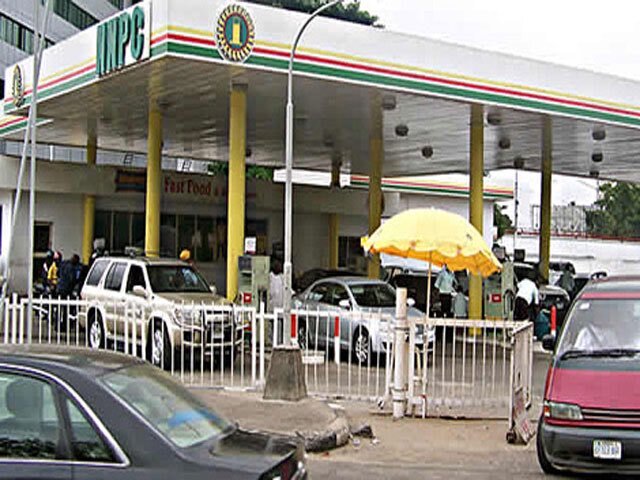
Nigeria’s GDP growth of 4.6% in Q4 2024 and 3.4% for the full year further represents one of the strongest performances in a decade. The sharp narrowing of the fiscal deficit from 5.4% of GDP in 2023 to 3.0% in 2024, driven by improved revenue generation and transparency, signifies a disciplined fiscal approach. This fiscal prudence has had a profound impact on state revenues, which have seen a significant increase, empowering subnational governments to manage debt, fulfill obligations, and invest in crucial infrastructure and human capital development. The 300% increase in federal allocation to states is a testament to this commitment. In the oil and gas sector, a robust recovery is underway, marked by increased rig counts and new investments. Oil production has risen to 1.5 million barrels, with an ambitious target of 2.5 million. The move to centralize oil receipt collection at the Central Bank of Nigeria has enhanced transparency, while a 70% reduction in fuel importation and over 200% increase in local refining signal a strategic reorientation towards self-sufficiency. Even international rating agencies like Fitch and S&P Global have upgraded Nigeria’s economy to a Stable B, acknowledging the positive trajectory.
Beyond economics, significant strides have been made in security and governance. The reported neutralisation of over 8,000 terrorists and bandits, alongside the arrest of 11,600 criminals and the recovery of over 10,000 weapons, underscores a determined effort to restore peace. The establishment of the Multi-Agency Anti-Kidnap Fusion Cell (MAAKFC) and the claimed success in returning order to previously bandit-controlled areas have allowed farmers to return to their lands, fostering a renewed sense of security and economic activity. In governance, the zero-tolerance stance on corruption, exemplified by the suspension of a minister and decisive action against the former CBN Governor, along with the EFCC’s recovery of over 750 houses from one individual, reinforces the administration’s commitment to accountability.
Nigeria’s journey under President Tinubu mirrors the paths taken by other nations that successfully navigated periods of profound economic crisis. Countries like Japan, South Korea, and Ireland, which today stand as economic powerhouses, each faced immense challenges in their past. Their transformations were not accidental but the result of strategic policies, bold reforms, and sustained national resolve. Like Nigeria in this present day, they endured initial hardship as their economies underwent necessary recalibrations. The parallels are striking: the short-term pain endured for long-term gain, a commitment to transparency, a drive for diversification, and the prioritisation of human capital development. Nigeria, under President Tinubu, is following a similar script, demonstrating that economic success often emerges from crises driven by strategic policies and reforms.
Indeed, the path to prosperity is rarely smooth, and Nigerians have undoubtedly experienced difficulties. However, the administration’s confidence that “the worst is behind us and the real impact of governance objectives is taking hold” resonates deeply. The tangible achievements in economic stability, security gains, and governance reforms provide a solid foundation. This is why leaders within the All Progressives Congress (APC) and key stakeholders have expressed strong support for the President’s performance and vision, unequivocally endorsing him for a second term in 2027. This endorsement reflects a widespread belief in the current trajectory and a shared commitment to realizing Nigeria’s full potential.
As Nigeria marches forward, the “From Ashes to Ascent” narrative reminds us that while the challenges were immense, the implemented reforms are not just necessary but are demonstrably steering the nation towards a brighter future. The collective endorsement for a second term is a powerful affirmation of the confidence in President Tinubu’s leadership to continue this vital work and ensure that the future of our children and unborn babies is not squandered. The promise of continued progress and collaboration remains the bedrock of realizing Nigeria’s shared national goals.
#END





















You must be logged in to post a comment Login