Africa
From Trump To Mahama: Wishing The Same Goodluck To Jonathan In This Era Of Presidential Comebacks, by Isaac Asabor

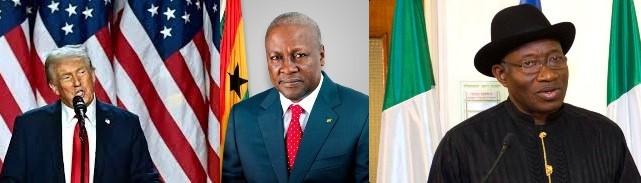
In the turbulent world of politics, comebacks often stir a mixture of nostalgia, intrigue, and skepticism. The very notion of political redemption or return has found fertile ground in this era, marked by significant figures reclaiming the spotlight. Donald Trump in the United States and John Mahama in Ghana have demonstrated that political second acts are not only possible but sometimes inevitable. This phenomenon invites us to muse about the prospects of a Goodluck Jonathan comeback in Nigeria, should he be interested to participate in 2027 presidential election. No doubt, it would be a prospect that feels both plausible and paradoxical.
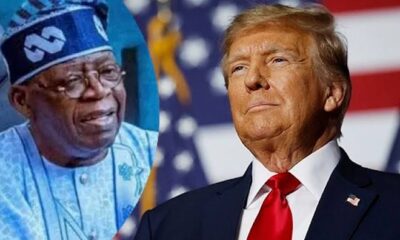
Donald Trump’s political journey is a testament to the resilience of polarizing figures. Despite losing the presidency in 2020 amidst controversies, Trump’s reemergence as a formidable contender for the 2024 elections underscores his influence over a significant portion of the American electorate. His “Make America Great Again” (MAGA) mantra has proven enduring, resonating with voters disillusioned by establishment politics.
Trump’s comeback is not merely about reclaiming power; it is about reshaping the narrative of his political legacy. He embodies a unique form of populism, where personal charisma overshadows policy details. His return is a case study in how political figures leverage grievances, loyalty, and the machinery of a devoted base to sustain relevance.
In Ghana, former President John Dramani Mahama has staged a political comeback by winning the West African nation’s presidential election after his rival Vice President Mahamudu Bawumia conceded defeat on Sunday.
The result of Ghana’s general election is another blow to a ruling party in a region where voters, hit by economic hardship, high inflation and local currency depreciation, have caused upsets as they seek changes in leadership.
Mahama, who served as president from 2012 to 2017, was initially defeated amid criticisms of his administration. However, his resurgence signifies a re-evaluation of his tenure by the electorate and the opposition party’s belief in his renewed vision.
As earlier mentioned, Mahama’s comeback is driven by a context of economic challenges under the current administration. It reflects the cyclical nature of African politics, where voters, disillusioned with incumbents, often revert to familiar faces. Mahama’s campaign blends reflections on lessons learned with promises of a more inclusive leadership.
Against the foregoing backdrop, it is expedient to ask, “Put in the Nigerian context: will Jonathan come back in 2027 if he decides to run?
In Nigeria, whispers of a Goodluck Jonathan comeback have occasionally punctuated the political discourse, albeit with varying degrees of seriousness. Jonathan, who served as president from 2010 to 2015, is remembered for his calm demeanor and the famous concession call to Muhammadu Buhari, which cemented his legacy as a democrat. However, his tenure was also marred by allegations of corruption, mismanagement, and security challenges.
The idea of Jonathan’s return has stirred debates among political analysts and ordinary Nigerians alike. However, his potential comeback would hinge on several factors that cut across public sentiment, party dynamics, the APC factor and his readiness.
Comprehensively put, it is germane to opine that there is a growing nostalgia among some Nigerians for the relative stability and economic growth witnessed during Jonathan’s administration, especially in comparison to the current economic difficulties. This sentiment could serve as fertile ground for a political rebirth.
In a similar vein, as a member of the People’s Democratic Party (PDP), Jonathan’s return would require careful navigation of internal party politics. The PDP, eager to regain power, may consider him a unifying figure capable of bridging divisions within the party.
Interestingly, speculation about Jonathan’s comeback has also included overtures from the ruling All Progressives Congress (APC). This raises questions about the political calculus of a potential cross-party candidacy.
Ultimately, the man himself would need to decide if a return aligns with his principles and vision for Nigeria.
The appeal of political comebacks lies in their promise of redemption and unfinished business. Leaders like Trump and Mahama present themselves as wiser, battle-tested figures who have learned from past mistakes. They capitalize on the yearning for stability and the belief that experience breeds competence.
However, comebacks are not without risks. Returning leaders must contend with heightened scrutiny, the weight of past failures, and the challenge of addressing new realities. A comeback can tarnish a legacy if it fails to meet heightened expectations.
Goodluck Jonathan’s legacy is a mosaic of achievements and shortcomings. His administration prioritized education and infrastructure development, with programs like the Almajiri Education Initiative and improvements in the power sector. Yet, the shadow of corruption scandals, such as the fuel subsidy fraud and mismanagement in the oil sector, looms large.
Without a doubt, a Jonathan comeback would necessitate a clear and compelling vision for Nigeria’s future. It would require addressing pressing issues such as insecurity, economic diversification, and youth unemployment. Moreover, it would test the resilience of Nigeria’s democratic institutions, particularly in ensuring a free and fair electoral process.
The trend of political comebacks raises broader questions about governance and accountability. Why do electorates gravitate toward former leaders? Is it a reflection of dissatisfaction with current administrations, or does it signify a lack of fresh alternatives?
In countries like Nigeria, the recycling of political figures often points to systemic issues within the political landscape. The absence of robust structures for nurturing new leadership, coupled with the pervasive influence of money and patronage in politics, creates a vacuum that familiar figures can easily fill.
If Jonathan were to stage a comeback, his campaign would likely focus on unity, stability, and economic recovery. He would need to articulate how he plans to address past criticisms and implement reforms that resonate with the aspirations of Nigerians. His demeanor and reputation for peaceful leadership could be assets in a deeply polarized political climate.
As we muse about the era of political comebacks, it’s clear that their success depends on a delicate interplay of factors: the leader’s vision, public sentiment, and the prevailing socio-political context. For Nigeria, the question of a Jonathan comeback remains speculative, but it underscores a deeper yearning for transformative leadership.
In a world where Trump can rally millions and Mahama can rekindle hope, who’s to say Jonathan’s story is over? Perhaps, like a phoenix rising from the ashes, he too might find his moment. Until then, Nigerians, like their counterparts elsewhere, will continue to weigh the allure of nostalgia against the imperative for progress.