Africa
Governor Hyacinth Alia’s Flimsy Excuse: A Disappointing Episode In Nigeria’s Democratic Journey -By Jeff Okoroafor
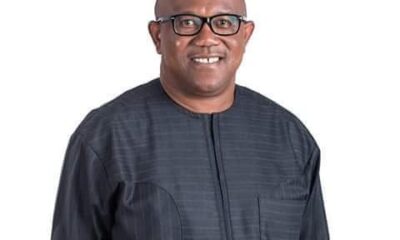
Governor Hyacinth Alia’s refusal to accommodate Peter Obi is not just a minor political spat—it is a symptom of a deeper democratic decay. Weak excuses like “security concerns” and “lack of notice” cannot mask the obvious: this was an act of political exclusion, unbecoming of a leader in a democracy. If Nigeria is to progress, such behavior must be called out and corrected. The people of Benue—and all Nigerians—deserve leaders who embrace open discourse, not those who hide behind flimsy excuses to silence dissent.

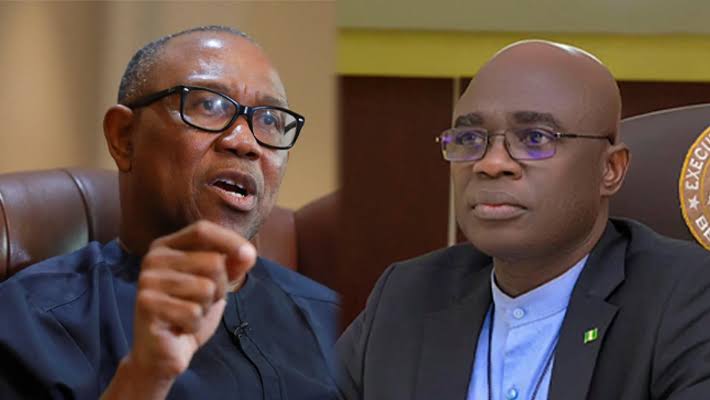
Governor Hyacinth Alia’s recent refusal to grant Peter Obi access to a public facility in Benue State—and his subsequent justification for it—marks yet another troubling episode in Nigeria’s fragile democratic journey. His explanation, citing “security concerns” and a lack of prior notice, is not only unconvincing but also exposes a disturbing pattern of political intolerance that undermines the very essence of democracy.
At a time when Nigeria desperately needs unifying leadership and open dialogue, Governor Alia’s actions send the wrong message: that opposition voices are not welcome in Benue. This is not just about Peter Obi—it is about the erosion of democratic norms, the weaponization of state power, and the growing culture of exclusion in Nigerian politics.
Governor Alia’s claim that Peter Obi’s visit posed “security risks” is difficult to take seriously. Peter Obi is not a fringe agitator but a former governor, a presidential candidate, and a widely respected political figure. His nationwide tours have been peaceful, policy-driven engagements with citizens—exactly the kind of discourse a healthy democracy should encourage. If a man of Peter Obi’s stature can be denied access to a public facility like an IDP camp on such flimsy grounds, what does that say about the state of political freedom in Nigeria?
The argument about “lack of prior notice” is equally hollow. If proper communication was indeed the issue, the governor’s office could have simply worked with Peter Obi’s team to rectify the situation rather than outrightly blocking the event. Other state governors—including those from opposing parties—have hosted Peter Obi without drama, recognizing that political differences should not prevent constructive engagement. Why couldn’t Benue do the same?
Governor Alia’s decision fits into a broader, alarming trend in Nigerian politics where incumbents use state machinery to stifle opposition. From denying rally permits to blocking access to public spaces, these tactics are becoming normalized, weakening Nigeria’s democratic fabric. When a sitting governor refuses a leading opposition figure the right to meet citizens in a public facility, it suggests that the government sees itself as an entity above accountability—one that can cherry-pick who gets to engage with the people.
This is particularly disappointing coming from Governor Alia, a clergyman whose background should ideally incline him toward inclusivity and dialogue. Instead, his actions mirror the very political pettiness he once presumably preached against. Leadership is about more than wielding power—it is about fostering an environment where diverse voices can be heard, even when they challenge the status quo.
Democracies thrive on debate, dissent, and the free exchange of ideas. When governors like Alia shut out opposition figures under dubious pretenses, they contribute to a culture of fear and suppression. If political opponents are treated as security threats rather than fellow citizens with differing views, Nigeria’s democracy will remain stunted, dominated by exclusionary tactics rather than open competition of ideas.
The people of Benue deserve better. They deserve a government that does not see every opposition figure as an enemy. They deserve leaders who understand that democracy is not just about winning elections but also about respecting the rights of all citizens—including those who did not vote for you.
Governor Alia should retract his decision and publicly reaffirm his commitment to political inclusivity. If there were genuine concerns about Peter Obi’s visit, they should have been addressed transparently, not used as an excuse for a political blockade. Moving forward, Benue State must establish clear, non-partisan guidelines for hosting political figures to prevent such needless controversies.
More importantly, Nigerians must hold their leaders accountable when they undermine democratic principles. Silence in the face of such exclusionary tactics only emboldens those who seek to shrink the country’s democratic space.
Governor Hyacinth Alia’s refusal to accommodate Peter Obi is not just a minor political spat—it is a symptom of a deeper democratic decay. Weak excuses like “security concerns” and “lack of notice” cannot mask the obvious: this was an act of political exclusion, unbecoming of a leader in a democracy. If Nigeria is to progress, such behavior must be called out and corrected. The people of Benue—and all Nigerians—deserve leaders who embrace open discourse, not those who hide behind flimsy excuses to silence dissent.

Jeff Okoroafor
Jeff Okoroafor is a social accountability advocate and a political commentator focused on governance, accountability, and social justice in West Africa.