
Africa
Greed, Gullibility, And Get-Rich-Quick: Nigeria’s Endless Ponzi Nightmare -By Isaac Asabor
Nigerians must accept that the enemy is not just the scammer, it is also the unwillingness to learn from past mistakes. No matter how difficult the economy gets, there is no justification for voluntarily funding your own downfall.

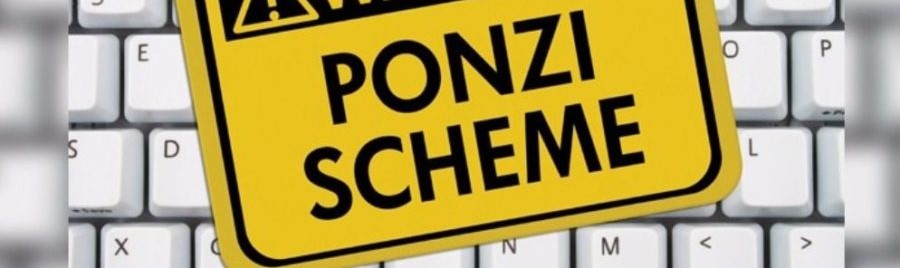
There is a dangerous triad that has held many Nigerians hostage for decades, and it consists of greed, gullibility, and the relentless hunger for get-rich-quick schemes. This unholy trinity has birthed a cycle of scams so vicious that even after national heartbreaks like the collapse of MMM, thousands continue to fall victim to financial wolves dressed as investment messiahs.
The script has not changed. The actors keep rotating. Yet, the Nigerian public keeps walking into the same trap. The tragedy? They walk in willingly, eyes wide open, wallets even wider.
For those who may have forgotten, MMM was a Russian Ponzi scheme introduced into Nigeria around 2015. It promised a 30% monthly return. That is right, 30% return on investment in 30 days, with no verifiable product, no service, no business model, just a fancy website and testimonies from early beneficiaries.
Despite repeated warnings from the Central Bank of Nigeria (CBN), the Securities and Exchange Commission (SEC), and financial experts across the country, Nigerians poured in their life savings. Some sold land. Some borrowed money to “invest.” Others dragged family and friends into the scheme like modern-day evangelists. The result? A collective national financial collapse in December 2016 when MMM shut down and vanished.
Like an open wound left untreated, the vacuum MMM created was soon filled with other schemes that cut across Ultimate Cycler, Loom, Naira Wealth, Racksterli, Chinmark Group, MBA Forex, and several others. Each came cloaked in new branding, fresh buzzwords, social media glitz, and increasingly sophisticated lies. Not only that, the tactics remain eerily consistent with promise of insane returns, creation of artificial scarcity or urgency, recruitment of social media influencers and local ambassadors. Other baits adopted by the scammers include use of early payouts to seduce more victims.
Against the foregoing backdrop, it is not an exaggeration to opine that having successfully baited some greedy and gullible Nigerians into the Ponzi scheme, they would vanish into thin air, sometimes after issuing a well-crafted press release blaming “economic challenges, “and somehow, Nigerians keep falling for it.
At this juncture, it tempting to ask, “Why do we keep getting burnt?” To answer the foregoing question, let us call it what it is: a toxic mix of greed and gullibility. Many Nigerians, facing legitimate economic hardship, have grown impatient with the slow route to financial stability, they do not want to invest for the long haul; they want money to rain down in weeks, and so, in their desperation, they suspend logic.
Consider this: If a scheme offers you 50% returns in one month, what legitimate business in the world can sustain that? Oil and gas? Real estate? Forex? None. Not without massive risks or fraud. But greed blinds people to basic arithmetic. And gullibility finishes the job.
In a society that idolizes wealth over process, people would rather look rich than understand money. That is why social media has become a breeding ground for scammers. All it takes is a few carefully crafted testimonies, a slick logo, and a few Instagram celebrities calling it the “next big thing.” Boom, the Ponzi fever spreads like wildfire.
We must spotlight the growing complicity of social media influencers. Many of them promote these fraudulent ventures either out of ignorance or pure selfish gain. They flaunt screenshots of returns, record videos talking about “God’s blessing through this opportunity,” and mislead thousands.
In fact, it will be recalled in this context that the SEC has recently warned influencers and celebrities against promoting unregistered financial products, especially digital asset platforms and meme coins, citing the new Investments and Securities Act 2025. The law mandates registration, transparency, and SEC approval for such promotions. Influencers must verify clients are licensed, use clear language, and label ads as sponsored. Violations attract fines up to ₦10 million, three years in prison, or both. The House of Representatives also cautioned public figures, stressing legal liabilities for misleading endorsements. The SEC aims to protect Nigerians from deceptive schemes often masked as entertainment or investment opportunities.
It is even more surprising that when the scheme crashes, celebrities and influencers who served as promoters of the scam go mute. No apologies. No accountability. Just a pivot to the next lifestyle brand. The authorities must begin to hold them responsible as co-enablers of financial fraud.
While the CBN and EFCC issue periodic warnings, their approach remains mostly reactive. By the time regulators announce an investigation, the scam has already milked thousands of victims dry. The SEC must move beyond issuing circulars, it must deploy intelligence tools to track, flag, and blacklist these fraudulent ventures before they go viral.
A central warning database listing suspicious schemes, names of promoters, and their bank details would be a great start. Collaborations with Fintech platforms and payment gateways could also disrupt these scams before they grow legs.
One of the most alarming developments in recent times is the growing number of Ponzi schemes being promoted from religious pulpits. Unscrupulous individuals now infiltrate churches and mosques, using God’s name to push lies. They offer testimonies. Some even deceive pastors into endorsing them. In a community driven by faith and trust, such endorsements are gold.
But when the crash comes, the betrayal cuts deeper. Not only are pockets emptied, trust in institutions is shattered. Religious leaders must wake up. You are not investment advisors. If your church or mosque becomes a tool for financial fraud, you are not just spiritually reckless, you are complicit in crime.
While it is easy to pity the victims of Ponzi schemes, we must start asking tough questions. How many people ask for business plans before investing? How many insist on company registration documents, audited financials, or even physical office addresses?
Too many people throw money into schemes because “someone in my estate has collected his payout” or “my church member just bought a car.” That is not investment that is herd mentality.
At what point do we stop being victims and start being willing participants in our own financial destruction?
At this juncture, it is expedient to ask, “What Must Change?” regarding the issue of Ponzi scheme gone sour. To answer the foregoing question, it should be borne at the back of the mind of everyone that if Nigeria is to break this cycle, we must attack the root causes, and the first step would entail embarking on an aggressive financial education. This can be achieved by introducing mandatory financial literacy into school curriculums. Let children understand compound interest, risk, and scams before they leave secondary school. Adults must also have access to financial education through TV, radio, community centers, and local governments.
Secondly, naming and shaming should be adopted against scammers. Let us have a public, government-backed blacklist of Ponzi schemes and their operators. Through this, names of scammers can be published with their accounts frozen and their assets seized. This would no doubt make examples of them.
Another steps to be taken in nipping the tide of Ponzi scheme in the bud is by holding influencers involved in the promotion of any given scheme accountable. In fact, influencers promoting investment scams should be sanctioned, fined, and in some cases, prosecuted. Enough of the “I didn’t know” excuse.
In fact, there is an urgent need for our national values to be rewritten. Nigeria must stop celebrating wealth without context. We glorify “big boys” with no verifiable sources of income, yet scorn those building businesses the right way. This must change. We need a new narrative, one that applauds how the money was made, not just that it was made.
In a similar vein, whistleblowing must, more than ever before, be encouraged. This can be achieved by government agencies through the setting up of anonymous hotlines and rewards for whistleblowers who alert authorities early about suspicious schemes.
Nigerians must accept that the enemy is not just the scammer, it is also the unwillingness to learn from past mistakes. No matter how difficult the economy gets, there is no justification for voluntarily funding your own downfall.
Any scheme that promises to multiply your money without a clear, legal, and sustainable business model is a fraud. Always has been. Always will be.
If we do not collectively wake up, we will continue to ask the same painful question every year, “How did we fall for this again?”






















You must be logged in to post a comment Login