Africa
HIV/AIDS In Nigeria: A Call To Renewed Action -By Ibrahim Ismail
The fight against HIV/AIDS in Nigeria is far from over, but the vision of an AIDS-free generation is within reach. With renewed commitment, collaboration, and investment, Nigeria can overcome the challenges that remain. On this World AIDS Day, let us all pledge to work towards a future where no one is left behind in the fight against HIV/AIDS. The time for action is now.

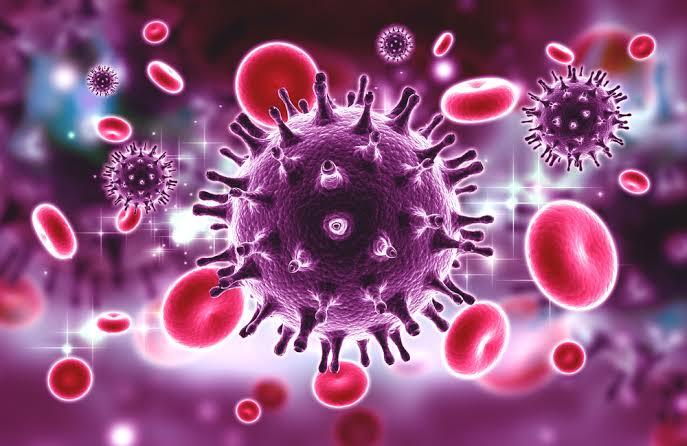
HIV/AIDS remains a significant public health challenge in Nigeria, despite years of concerted efforts to combat its spread. With about 1.9 million people living with HIV, Nigeria bears a substantial share of the global burden of the disease. While the country has made strides in reducing prevalence rates, the fight against HIV/AIDS continues to be hampered by structural, social, and economic barriers that require urgent attention.
One of the most significant challenges in addressing HIV/AIDS in Nigeria is the pervasive stigma surrounding the disease. People living with HIV often face rejection and discrimination from their families and communities, which discourages many from getting tested or seeking treatment. This stigma not only fuels the spread of the virus but also isolates those who need support the most. For instance, many individuals like Fatima, a young woman who was ostracized by her family after disclosing her status, suffer in silence. Addressing stigma is as critical as providing medical treatment in the fight against the epidemic.
Nigeria has made commendable progress in treatment accessibility, with over 1.4 million people now on antiretroviral therapy (ART). ART has transformed HIV from a deadly disease into a manageable condition, improving the quality of life for many Nigerians and reducing transmission risks. International partners like PEPFAR and the Global Fund have played crucial roles in funding these programs. However, over-reliance on donor funding poses a risk to the sustainability of these gains. A long-term, self-reliant funding strategy is needed to secure the future of HIV treatment programs in the country.
Prevention programs have also seen notable success. Initiatives to prevent mother-to-child transmission have significantly reduced the number of children born with HIV. The introduction of self-testing kits and pre-exposure prophylaxis (PrEP) has provided new avenues for prevention. However, these services are often concentrated in urban areas, leaving rural communities underserved. Expanding the reach of these interventions is essential to ensure equitable access and to reduce new infections across the country.
Despite these advancements, significant gaps remain in Nigeria’s healthcare infrastructure, especially in rural areas. Many health facilities lack the resources, personnel, and capacity to provide comprehensive HIV services. Cultural norms and myths surrounding HIV/AIDS also undermine prevention efforts, perpetuating risky behaviors. A lack of awareness and education in many communities compounds these issues, making it difficult to achieve universal access to prevention and treatment services.
Young people represent a powerful force for change in the fight against HIV/AIDS in Nigeria. With over 60% of the population under the age of 25, their involvement is crucial in driving awareness and behavioral change. Through social media campaigns, peer education programs, and advocacy, Nigerian youth can challenge stigma, promote testing, and encourage safe practices. Their voices must be amplified in policy discussions to ensure that the HIV response reflects the needs and realities of their generation.
As the world observes World AIDS Day, it is an opportunity for Nigeria to reflect on its progress and reaffirm its commitment to ending the epidemic. The day serves as a reminder of the lives lost to AIDS-related illnesses and the resilience of those living with the virus. It also underscores the importance of collective action, partnerships, and sustained efforts to address the underlying factors that drive the epidemic, such as poverty, gender inequality, and limited access to education and healthcare.
The fight against HIV/AIDS in Nigeria is far from over, but the vision of an AIDS-free generation is within reach. With renewed commitment, collaboration, and investment, Nigeria can overcome the challenges that remain. On this World AIDS Day, let us all pledge to work towards a future where no one is left behind in the fight against HIV/AIDS. The time for action is now.
Ibrahim Ismail is a 300 level Student from Mass Communication Department University of Maiduguri.