Forgotten Dairies
HOPE for Quality Education? First, Invest in Teachers -By Molade Adeniyi
There are many reasons why children feel school is not worth their time; poor infrastructure, lack of teaching materials, teacher shortages, and inadequate financing, among others. All these challenges are valid and deserve urgent attention. However, I want to focus on one critical factor today: teachers as leaders, and how this single element can transform the experience of a young learner and reignite hope for a brighter future.

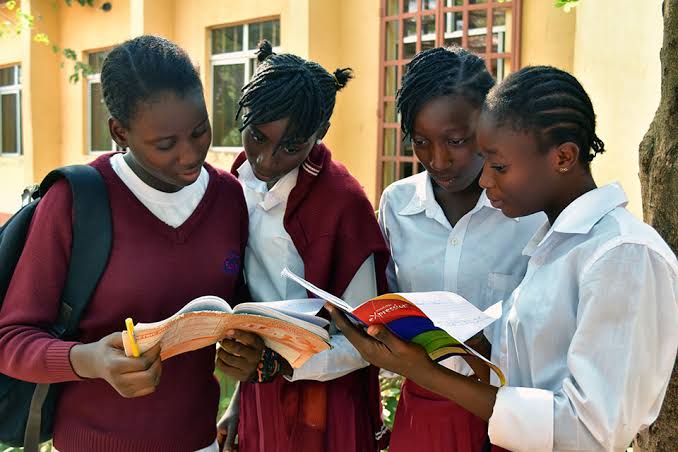
The Nigerian government has recently unveiled a new reform initiative, HOPE for Quality Basic Education for All (HOPE-EDU), aimed at addressing the country’s deep-rooted education challenges, including the crisis of out-of-school children and overcrowded classrooms. The initiative is designed to improve learning outcomes through Foundational Literacy & Numeracy programs, expand access to quality basic education and strengthen education systems across participating states.
This is certainly a step in the right direction and one that we have been advocating for for a long time. To be sure, our education system has gone through various positive reforms but there are many communities where the impact is yet to be felt and the need has never felt more urgent than now
Nigeria has one of the world’s largest youth populations, with approximately 70% of its citizens under the age of 30 (reports state that the average age of Nigerians is 19). This demographic reality presents enormous potential, a vast workforce and consumer market capable of driving growth and innovation. However, unemployment and underemployment remain a significant thorn in the flesh.
Reports from UNICEF and the World Bank indicate that over 70% of 10-year-old children in Nigeria are in “learning poverty,” meaning they cannot read and understand a simple text or perform basic numeracy tasks. Many of these children eventually leave school but are stuck without any prospect of meaningful employment because the foundation of their education is very shaky. This leads us to an important question: does formal education matter? And perhaps more pointedly, why do I need formal education?
As CEO of Teach for Nigeria, where we are leading a movement to end education inequality with a bold vision that every Nigerian child will have the opportunity to attain an excellent education, I’ve spoken with countless young people about their hopes and aspirations for their future. And the truth is that many young people in Nigeria have had deeply disappointing experiences with formal education. Many feel that school did not teach them anything useful or adequately prepare them for the real world. As a result, trust in these institutions is eroding. This is further reinforced by highly visible examples of artists, creatives, and entrepreneurs who claim to have built successful careers without formal education.
I believe the contrary. I believe education is important and necessary. And I believe every child deserves access to good-quality education. Yet I am also keenly aware of a painful reality: millions of children in Nigeria are in classrooms but are not learning. Many go to school but leave with little impact. For some, school is not a place of curiosity or growth, but a place of fear and dread.
There are many reasons why children feel school is not worth their time; poor infrastructure, lack of teaching materials, teacher shortages, and inadequate financing, among others. All these challenges are valid and deserve urgent attention. However, I want to focus on one critical factor today: teachers as leaders, and how this single element can transform the experience of a young learner and reignite hope for a brighter future.
“No nation can rise above the quality of its teachers,” a popular phrase attributed to former Minister of Education, Professor Babatunde Fafunwa. I believe strongly that teachers can make or break a child’s access to quality education, shaping not only what they learn but which futures remain open or closed to them. This is why investing in teachers is non-negotiable. Ask successful people what contributed to their success, and I am confident that most will mention a teacher among their top reasons.
Many children in Nigeria do not enjoy school or see its value simply because they have never encountered teachers who take them by the hand, open their minds, and touch their hearts. This is the place we must return to urgently. Too many children attend school, yet the impact is neither felt nor seen.
The solution, to me, is clear. As a country, we must put our money where our mouth is. Enough talk about quality education. We must intentionally invest in our teachers through better remuneration, consistent and high-quality training, and by redefining teachers as leaders in the classroom, responsible for planting seeds that grow forever.
We cannot fix Nigeria’s future without investing in those who stand in front of our classrooms. When we do, the refrain among our children will no longer be “education does not matter,” but rather, “because my teacher believed in me, I know that education matters.”
With good quality education delivered by transformative teachers, all children can have the opportunity for a bright future and a world of possibilities.
Molade Adeniyi is the CEO of Teach for Nigeria and a Public Voices Fellow Tackling Poverty, a partnership of Acumen and The OpEd Project.