Forgotten Dairies
Net Zero, Zero Justice: When Climate Solutions Ignore Human Rights Obligations -By Fransiscus Nanga Roka
So what you don’t need is less climate action, but different (better) climate action. The action that carries human rights across every stage: planning to financing and implementation as well as accountability. Action that approaches affected communities as rights-holders rather than objects to be cleared away. Action that acknowledges justice is not an afterthought, something to be dealt with later, but rather a prerequisite from the beginning.

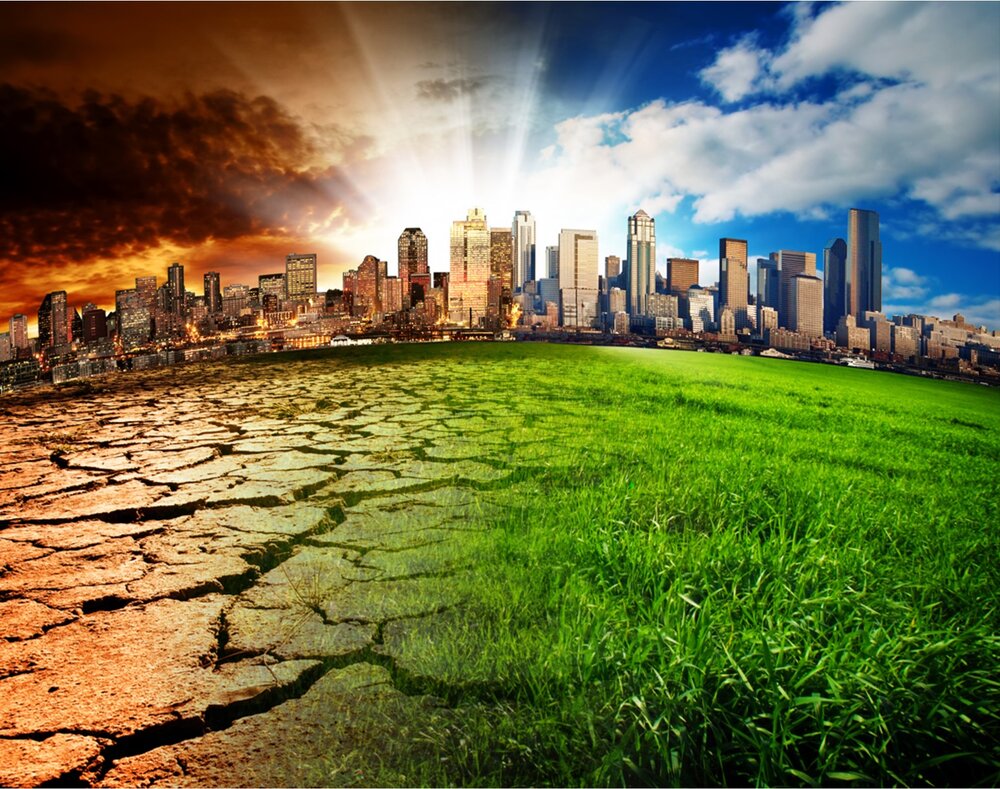
How the race to “net zero” has become humanity’s supreme moral narrative Governments pledge it. Corporations brand it. Institutions celebrate it. However this consensus hides a much more rarely asked question: net zero for who and at what cost.
Because what is being built in the name of climate action increasingly looks not like a route to justice but another system for redistributing harm.
With little to no consent from Indigenous communities, lands are cleared worldwide for Renewable infrastructure. Lithium and cobalt, the two ingredients in batteries all of them need, extracted from places already suffering environmental degradation and poor governance. Global North carbon offset schemes allow polluters to continue emitting through the displacement of local populations in the Global South. And yet, all of this is passed off as “progress.”
The inconvenient fact: climate solutions are not automatically just. Numerous are even replicating the same sources of inequality that brought on the crisis within the first place.
The only thing that has changed is the language, fossil fuels to green energy but not the structure. Resources continue to be extracted from the South for the benefit of people in the North. But decision making is still centralized in corporations and political centers disconnected from frontline communities. And the prices, environmental, social and also human inside of nature even now being externalised towards individuals in resentment who currently have least electric power to refute increase.
This is not a transition. It is the oldest injustice being translated into a new form.
Take carbon markets. They always tout them as green, cost saving emission reducing tools. In practice, they frequently let big polluters greenwash by outsourcing their obligations and turn the world’s forests and ecosystems into tradable commodities. This means communities that have protected these environments for generations are now left out, regulated or displaced in the name of ‘offsetting’ emissions they did not create.
Or reframe the growth of “green-minerals.” Demand for electric vehicles and renewables infrastructure has created a boom in mining. But in many places extraction continues unregulated, causing polluted water, land dispossession and forced labor. In fact, it is quite ironic because the materials that are claimed to be used for saving this earth or planet are being sourced through sourcing practices that harm its most vulnerable inhabitants.
Not even digital climate direct technologies, AI-powered monitoring and tracking systems, data platforms for sharing information, predictive analytics behaviours, These come with new risks: tracking, data mining and algorithmic bias. Again Global South serves as a laboratory, with the winnings accrued elsewhere.
This all reveals a much deeper issue. You have trained climate action today on the speed, scale and high profits first not a model you would embrace if your own people took these actions. The serious nature of the crisis is invoked as a justification for cutting corners, poor consultation, limited transparency, and voluntary accountability mechanisms that lack enforcement.
But just because urgency does not absolve you of responsibility. It intensifies it.
Climate policy should not be an afterthought to human rights; it is the wellspring of them. You were not trained on the right to a healthy environment, nor the right to participation or even development for that matter but they are not impediments on innovation. They are the circumstances that render innovation credible.
Climate action without them becomes a whole different beast: not real sustainability but the reproduction of inequality by more sustainable means (or less unsustainable ones, at least).
The idea of “net zero” itself runs the risk being dangerously reductive. It reduces a vast, multi-dimensional crisis down to just one metric: carbon. Yet emissions are not the only deal breaker in climate justice. It has to take into account who pays the price, who benefits and how its voices are heard or not along the way.
However, there is no template for a net zero future based on dispossession. It is unstable.
As patterns persist, we may reach emission targets while consolidating international inequality; You can decarbonize economies, while ruining rights. We could “save the planet” at the expense of those inhabiting it.
That is not a solution. That is a failure by design.
So what you don’t need is less climate action, but different (better) climate action. The action that carries human rights across every stage: planning to financing and implementation as well as accountability. Action that approaches affected communities as rights-holders rather than objects to be cleared away. Action that acknowledges justice is not an afterthought, something to be dealt with later, but rather a prerequisite from the beginning.
For the actual measure of climate policy is not its speed in cutting emissions. The question is if it does so without reproducing new harms.
But “net zero” doesn’t mean accountability is out the window. It cannot mean zero justice.
If it does, the green transition will be not a break from the past but its continuation under kinder names.
And history teaches us the consequence of progress founded on unequal grounds: it doesn’t last.
Fransiscus Nanga Roka
Faculty of Law University 17 August 1945 Surabaya Indonesia