
Forgotten Dairies
The Silent Epidemic of Gender-Based Violence in Nigeria -By Lovelyn Emmanuel
Ending gender-based violence is not just about protecting women and girls, it is about building a fairer, safer, and more prosperous society for all. Until every individual can live free from fear and violence, the promise of true development and equality will remain out of reach.

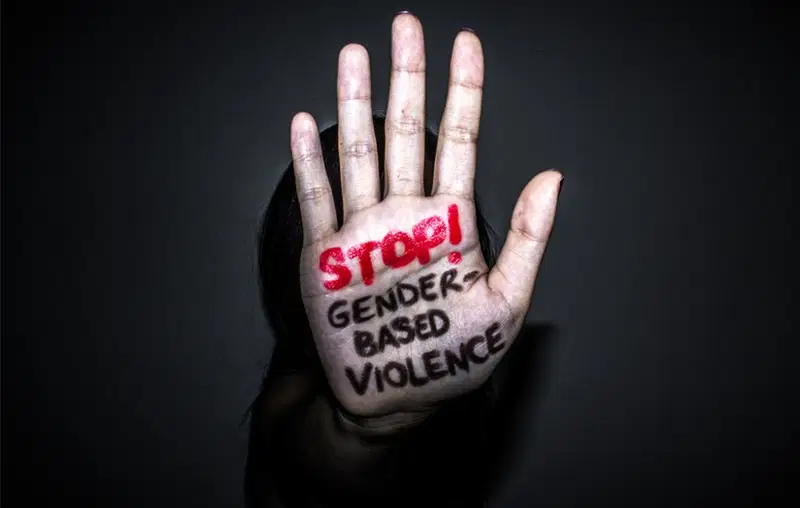
Behind the walls of homes and within the quiet corners of communities across Nigeria, a crisis continues to unfold largely unseen, often unspoken, yet deeply felt. Gender-based violence (GBV) is not just a private tragedy; it is a national emergency that reflects deep-rooted inequalities and cultural norms that continue to endanger the lives and futures of millions of women and girls.
In many Nigerian homes and communities, a painful reality persist one that thrives in silence and shadows. Gender-based violence (GBV) remains widespread and deeply entrenched, affecting countless individuals across the country. Far from being a private matter, it is a societal crisis shaped by unequal power dynamics, harmful traditions, and systemic neglect. Gender-based violence refers to any harmful act inflicted on an individual because of their gender. It takes many forms, including physical assault, sexual abuse, emotional and psychological harm, coercion, and restriction of personal freedom. In Nigeria, the most prevalent forms include domestic violence, rape, and child or forced marriage.
Disturbingly, studies indicate that over 60% of Nigerians have either experienced GBV firsthand or know someone who has highlighting how normalized and pervasive the issue has become.
Several factors drive this crisis. Poverty and limited access to education often leave victims vulnerable and dependent, while deeply rooted cultural and societal norms reinforce gender inequality. In many communities, victims are blamed, shamed, or silenced, discouraging them from reporting abuse or seeking justice.
Although laws exist to protect survivors, weak enforcement, corruption, and lack of awareness often render these protections ineffective. Fear of stigma, retaliation, or social exclusion further contributes to widespread underreporting. The consequences of GBV are severe and long-lasting. Survivors may endure physical injuries, chronic health issues, emotional trauma, depression, and a diminished sense of self-worth. The impact extends beyond individuals, affecting families and weakening communities. When women and girls are silenced or denied opportunities, society as a whole loses valuable contributions, slowing national growth and development.
While GBV can affect anyone, women and girls are disproportionately impacted. Those living in conflict zones, displacement settings, or extreme poverty face even greater risks.
Additionally, women and girls from marginalized groups such as those with disabilities or from minority communities experience heightened vulnerability due to overlapping forms of discrimination.
Addressing gender-based violence requires urgent and collective action. Governments must not only enact laws but ensure their strict enforcement, provide accessible support services, and hold perpetrators accountable. Education systems should promote gender equality and challenge harmful stereotypes from an early age. Communities must reject practices that perpetuate violence and instead create safe spaces where survivors are supported and believed.
Individuals also have a critical role to play. Speaking out against abuse, supporting survivors, and challenging harmful attitudes can help break the cycle of silence. Media, civil society organizations, and religious leaders must continue to raise awareness and advocate for change.
Ending gender-based violence is not just about protecting women and girls, it is about building a fairer, safer, and more prosperous society for all. Until every individual can live free from fear and violence, the promise of true development and equality will remain out of reach.
Lovelyn Emmanuel
200 level student of Mass Communication
University of Maiduguri

























You must be logged in to post a comment Login