
Forgotten Dairies
State Of The Nation -By Tochukwu Jimo Obi
Government must urgently confront insecurity, fix the power sector, and implement policies that genuinely revive the economy. Seeking external support where necessary should not be dismissed if it offers practical solutions. As the 2027 general elections approach, Nigerians are becoming more conscious and demanding. Leaders will increasingly be judged not by promises, but by performance and held accountable for the realities they leave behind.


Nigeria today stands at a difficult crossroads, with challenges mounting across nearly every sector of national life. The state of affairs in our dear country demands urgent and decisive intervention, not just in words but in tangible, measurable action. From insecurity to economic hardship, the pressures facing ordinary citizens have reached a level that can no longer be ignored or downplayed.
Almost daily, reports emerge of citizens being killed or abducted in large numbers. Communities live in fear, unsure of what the next day may bring. This persistent insecurity has eroded public confidence and disrupted livelihoods, particularly in rural areas where farming, the backbone of food supply has become increasingly dangerous.
At the same time, hunger and poverty continue to deepen at an alarming rate. Families struggle to afford basic meals, and the rising cost of living has pushed many into extreme hardship. What was once manageable for low- and middle-income households has now become a daily battle for survival, with little relief in sight.
Unemployment further compounds the crisis. Every quarter, thousands of graduates are released into the labor market through the National Youth Service Corps, yet job opportunities remain scarce. The result is a growing population of educated but unemployed youths, many of whom are left frustrated and uncertain about their future in the country.
Adding to these economic struggles is the persistent failure of power supply. For decades, successive administrations have been unable to provide stable electricity. This has crippled businesses, forcing many to shut down, relocate abroad, or reduce their workforce. The ripple effect is clear: more unemployment, reduced productivity, and a weakened economy.
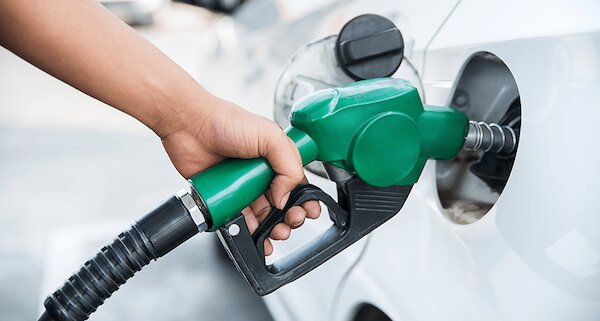
The rising cost of petrol has also intensified the burden on citizens. Transportation fares have surged, affecting both workers and small business owners. For many households and enterprises that rely on generators due to unreliable electricity, the cost of fuel has become unsustainable, further limiting economic activity.
While the federal government maintains that efforts are being made to improve living conditions, these claims have yet to translate into real change for the average Nigerian. The removal of fuel subsidy, which was expected to free up funds for national development, has not produced visible benefits for the public. Instead, hardship has increased, raising legitimate concerns about transparency and accountability.
Equally troubling is the continued borrowing by the government despite claims of meeting revenue targets. Many Ministries, Departments, and Agencies remain underfunded, with projects stalled due to lack of released funds. This raises pressing questions about fiscal management and the actual allocation of national resources, questions that deserve clear and honest answers.
Moving forward, the priorities are unmistakable. Government must urgently confront insecurity, fix the power sector, and implement policies that genuinely revive the economy. Seeking external support where necessary should not be dismissed if it offers practical solutions. As the 2027 general elections approach, Nigerians are becoming more conscious and demanding. Leaders will increasingly be judged not by promises, but by performance and held accountable for the realities they leave behind.
Tochukwu Jimo Obi, a concerned Nigeria writes from Obosi in Anambra state.
























You must be logged in to post a comment Login