Economy
How Decisive Monetary Policy Is Powering Nigeria’s Economic Resilience and Growth -By Isah Aliyu Chiroma
The positive outcomes are measured not just by numbers but by the renewed confidence of investors, the resilience of businesses, and the improved prospects for millions of Nigerians. As the world navigates an uncertain future, Nigeria’s strong, decisive policy actions stand as a beacon of what is possible with discipline, vision, and commitment to the greater good.

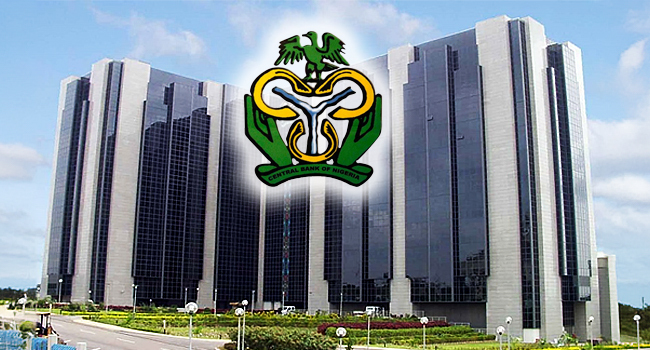
In an era marked by global economic volatility, few nations have demonstrated strength and foresight of Nigeria’s Central Bank and its Monetary Policy Committee (MPC). The recent decision to retain the Monetary Policy Rate (MPR) at 26.5%, maintain the Cash Reserve Requirement (CRR) for deposit money banks at 45%, and uphold other key policy levers is a robust statement about the direction and confidence of Nigeria’s economic strategy. As we stand at the crossroads of external shocks and domestic aspirations, these strong, prudent moves are laying the groundwork for sustainable growth and renewed economic optimism.
The MPC’s decisions come at a time when the world economy faces turbulence from all sides. The ongoing Middle East crisis has sent energy prices soaring, disrupted supply chains, and increased transportation costs worldwide. Yet, while many economies have buckled under the pressure, Nigeria’s inflation has been contained. This is no accident. It underscores that prior policy reforms; including exchange rate stabilisation, fiscal consolidation, and banking sector recapitalization, have created a buffer that shields the economy from external shocks.
Although inflation has risen slightly in recent months, it remains manageable and is considered temporary. The 12-month average inflation has declined for six consecutive months, and month-on-month figures indicate easing pressure. This progress, despite global commodity and energy price volatility, demonstrates the effectiveness of Nigeria’s monetary authorities.
Perhaps one of the most consequential moves has been the strengthening of Nigeria’s banking system. The successful recapitalisation exercise has resulted in 33 banks with improved financial soundness. These institutions are now better equipped to support real sector growth, provide credit to businesses and households, and drive investments that fuel economic expansion. The MPC’s vigilance in urging continued proactivity to address post-recapitalisation risks further illustrates the commitment to safeguarding financial system stability.
Exchange rate stability is another critical pillar, which has been reinforced by robust external reserves, now standing at an impressive $49.49 billion, providing over nine months’ import cover. This not only anchors investor confidence but also supports a stable business environment, enabling long-term planning and reducing uncertainty for local and international firms.
Against all odds, Nigeria’s economy continues to expand. Real GDP growth reached 4.07% in the fourth quarter of 2025, with both the non-oil and oil sectors contributing significantly. The non-oil sector, particularly services like information, communication, transport, and storage, is thriving, a sign of successful diversification efforts. Meanwhile, improvements in downstream oil refining have propelled the oil sector to higher growth rates.
These outcomes are not coincidental; they are the direct fruits of disciplined policy choices. The prudent management of monetary policy, coupled with fiscal reforms, has encouraged investments, boosted productivity, and enhanced the economy’s ability to absorb shocks. The recent sovereign rating upgrade, despite global headwinds, further validates the soundness of Nigeria’s macroeconomic fundamentals and the credibility of its reform agenda.
Some critics may argue that keeping the MPR high could dampen credit growth or stifle economic activity. However, in the current context, this cautious stance is not only justified but necessary. With global inflation expected to edge higher and central banks worldwide pausing monetary easing, Nigeria’s data-driven approach ensures that inflation expectations remain anchored. This preserves purchasing power for millions of Nigerians and maintains the stability required for long-term growth.
Moreover, the data reveal that while food inflation has recently spiked due to transportation and seasonal factors, core inflation is moderating. The MPC’s commitment to closely monitor these trends and adjust policies as needed is a mark of responsible, forward-looking governance.
The outlook for 2026 remains positive. Despite uncertainties coming from geopolitical crises abroad, projections indicate that Nigeria’s output growth will remain resilient. The combination of previous policy tightening, exchange rate stability, and enhanced food supply is expected to drive a return to disinflation. Importantly, the MPC has reaffirmed its commitment to a forward-looking, evidence-based policy framework that prioritises price stability while preserving the soundness of the financial system.
Nigeria’s experience offers valuable lessons for other emerging economies. Strong moves, even when unpopular or difficult are often necessary to secure long-term stability and growth. The Central Bank’s resolve to maintain a tight monetary policy stance, prioritise financial system health, and enact structural reforms is yielding tangible benefits. The improved macroeconomic environment, robust external reserves, and upgrade in sovereign ratings are clear indicators that these policies are working.
The positive outcomes are measured not just by numbers but by the renewed confidence of investors, the resilience of businesses, and the improved prospects for millions of Nigerians. As the world navigates an uncertain future, Nigeria’s strong, decisive policy actions stand as a beacon of what is possible with discipline, vision, and commitment to the greater good.
The message is clear, a strong move, anchored in sound economic management, are powering Nigeria’s journey toward sustainable economy.