Africa
Hunger: The Silent Force Behind Crime, Can Tinubu-led Government Reverse The Tide?, by Isaac Asabor


In every society, hunger is not merely a physical sensation; it is a driving force, capable of shaping the course of human behavior. When people are deprived of their basic needs, their sense of morality becomes secondary to survival. Throughout history, hunger has served as both a motivator for positive change and a trigger for social unrest and criminal activity.
In the Bible, one story captures this dynamic perfectly. The four leprous men of Samaria, faced with a crippling famine, risked their lives by entering the enemy’s camp to search for food (2 Kings 7:3-11). In their desperation, they made a life-changing decision that ultimately saved their people. Their story shows how hunger can influence choices, and it reveals an enduring truth: in times of extreme scarcity, people will go to great lengths, good or bad, to survive.
Fast forward to Nigeria in 2024, where the same dynamics are playing out. Since President Bola Tinubu’s inauguration on May 29, 2023, the country has faced an economic downturn that has brought severe hardship to millions of Nigerians. The removal of fuel subsidies, the free fall of the naira, and rising inflation have plunged a significant portion of the population into hunger and desperation. As food prices skyrocket, hunger has become a silent force that is driving people to make difficult, sometimes unlawful, decisions.
Hunger in Nigeria is not a new phenomenon, but in the months following Tinubu’s economic reforms, the situation has deteriorated to unprecedented levels. According to a World Bank report, over 70 million Nigerians are now living below the poverty line, unable to afford three meals a day. Prices for basic staples like rice, yam, and bread have soared, with inflation for food items hovering around 25-30%. This sharp rise in food prices is directly linked to the subsidy removal and the weakening of the naira, making imported goods more expensive.
For many Nigerians, the reality of this economic hardship is a daily struggle for survival. What was once considered petty crime has escalated into a coping mechanism for some. Stories abound of people engaging in theft, fraud, and even armed robbery as a result of the hunger-induced desperation. A young mother in Lagos, for instance, was arrested for stealing baby formula from a supermarket. When interviewed, she simply said, “I had no other choice; my child was starving.”
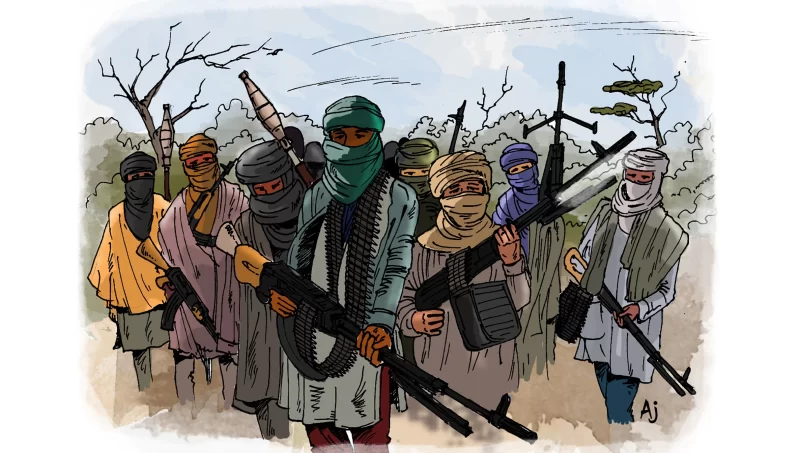
This wave of crime, fueled by hunger, is not restricted to urban areas alone. In rural communities, where agricultural productivity has been stifled by insecurity and poor infrastructure, the situation is equally dire. Farmers, unable to transport their produce to markets or afford basic inputs like fertilizer, have been left with little to no income. The result is a ripple effect of hunger, leading to a surge in rural banditry, kidnappings, and cattle rustling, as people search for alternative means of survival.
Given the severity of the hunger crisis, the Tinubu administration faces a critical question: “Does it have what it takes to reverse the effects of this hunger-driven desperation?” So far, the government’s response has been met with skepticism and disappointment. Economic measures, such as the cash palliative programs, have done little to alleviate the immediate suffering of millions of Nigerians. Instead, the benefits seem to favor a privileged few while the majority continues to struggle.
To effectively tackle this crisis, the government needs a multi-faceted approach that goes beyond temporary palliatives. While financial aid programs, like the N8,000 monthly payments to vulnerable families, are a step in the right direction, they are simply not enough to address the root causes of hunger. Critics argue that such meager amounts are barely sufficient to buy food for a week, let alone provide sustainable relief. Vice President Kashim Shettima’s statement that “N8,000 can change the life of a youth who knows what he is doing” has been widely condemned as out of touch with the realities of ordinary Nigerians, further highlighting the government’s disconnect from the people it serves.
Therefore, the Tinubu-led administration must prioritize agricultural revitalization and investment in food security as long-term solutions to hunger. While the country is blessed with fertile land and a large agricultural workforce, these resources remain underutilized due to poor infrastructure, insecurity, and a lack of government support. To turn the tide, the government must invest in rural development, modernize farming practices, and ensure that farmers have access to affordable loans and inputs. Moreover, improving food distribution networks, reducing waste, and addressing transportation bottlenecks can help lower the cost of food and ensure it reaches all corners of the country.
Beyond crime, hunger carries with it far-reaching social and political consequences. As hunger becomes widespread, frustration and anger toward the government rise. Social unrest, in the form of protests and strikes, is likely to intensify if the hunger crisis is not addressed promptly. In some parts of the country, not a few communities had since the commencement of the ongoing political dispensation taken to the streets to protest the high cost of living and demand more from the government.
Furthermore, hunger undermines the overall health and well-being of the population. Malnutrition rates are rising, particularly among children, and experts warn of a looming public health crisis if immediate action is not taken. According to UNICEF, 35% of Nigerian children under the age of five are stunted due to chronic malnutrition, a statistic that is likely to worsen unless swift interventions are made.
Moreover, hunger erodes the moral fiber of society. It becomes a breeding ground for extremism and radical ideologies, as seen in other regions of the world. When people are pushed to the edge, they become more susceptible to joining criminal networks, terrorist groups, and other destructive organizations that promise solutions to their plight.
While the Tinubu government is relatively new, it must act decisively to prevent hunger from further destabilizing the nation. It is not too late for this administration to shift its focus to a more inclusive economic policy that prioritizes the needs of the people over elite interests. The government must actively work to bridge the widening gap between the rich and poor, reduce inflation, and provide access to affordable food.
One promising area is collaboration with international organizations like the World Bank, the Food and Agriculture Organization (FAO), and other partners that can provide technical assistance, funding, and expertise to help improve food production and distribution in Nigeria. Furthermore, empowering local governments to address hunger at the grassroots level is essential in crafting solutions that reflect the unique needs of each region.
At its core, hunger is a cry for help. If the government heeds that cry, there is hope for change. However, if left unchecked, hunger will continue to push people into crime, destroy families, and erode the nation’s social fabric. The Tinubu-led administration must rise to the occasion by not only addressing the economic policies that led to this crisis but also creating a vision for a Nigeria where no citizen goes hungry.
As it stands, hunger remains the silent force behind much of the unrest and insecurity in Nigeria today. The question remains: will Tinubu’s government find the political will and compassion to reverse the tide of hunger, or will it allow this powerful force to dictate the future of the nation? The answer to this question will define the legacy of this administration and the fate of millions of Nigerians.