
Africa
Is it a Spiritual Problem as JAMB JAM Dem? -By Prince Charles Dickson, Ph.D
The JAMB saga is more than a “spiritual problem”—it’s a failure of governance. When candidates weep over exam errors, parents mortgage livelihoods for education, and regions languish in neglect, it reflects a system that has jammed its own progress. Decentralizing JAMB and granting universities autonomy—mirroring the quasi-sovereign agency Nigeria’s ethnic nationalities demand—would unlock this gridlock. The cycle of trekking back and forth—only to find the key was in the bag all along—mirrors Nigeria’s broader struggle: solutions exist, but implementation is sabotaged by apathy and corruption.

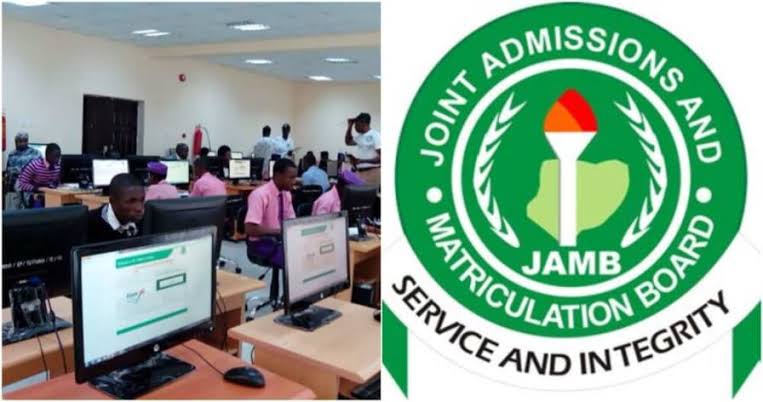
The phrase “spiritual problem” often captures moments when life’s absurdities pile up in a way that defies logic—like trekking 10 km to work only to realize you left your office key at home, then trekking back to find your house key is in the bag you left at the office, only to later discover the office key was in the bag all along. This metaphor of cyclical frustration mirrors the recent saga surrounding Nigeria’s Joint Admissions and Matriculation Board (JAMB) and its Unified Tertiary Matriculation Examination (UTME). For thousands of candidates, parents, and institutions, JAMB’s 2024 UTME season has been a labyrinth of technical glitches, systemic failures, and human tragedies—raising questions about whether Nigeria’s educational challenges are not just bureaucratic but existential.
Over the past weeks, JAMB has faced unprecedented scrutiny. First, technical hiccups during the UTME left 8,391 candidates threatening a class-action lawsuit after being unjustly barred from exams they had prepared for. Then, a 19-year-old candidate, Opesusi Faith Timilehin, tragically took her own life upon receiving a low UTME score, only for her family to discover—30 minutes later—that she had been granted admission. JAMB later admitted to a “system error,” relisting 379,997 candidates for a retake, while the House of Representatives launched an investigation into the fiasco.
These incidents, layered with public outrage, paint a picture of an institution in crisis. While JAMB’s Registrar, Prof. Ishaq Oloyede, issued apologies and corrective measures, the damage to public trust is profound. The board’s corporate communication was abysmal—candidates and parents were left in the dark, scrambling for clarity. Yet, JAMB’s acknowledgment of fault, though belated, offers a glimmer of accountability. The question, however, is whether this accountability translates to lasting reform and indeed remedies past hurt and addresses allegations of systemic biases.
The UTME crisis exposes deeper flaws in Nigeria’s education architecture. Why must an exam score expire after just one year? A two-year validity period, as seen in other countries, would reduce the annual pressure cooker environment, allowing candidates to apply to multiple institutions without retaking exams. Instead, Nigeria’s system forces students into a high-stakes, one-shot gamble—a setup that amplifies anxiety and desperation.
Similarly, why outsource admissions entirely to JAMB? Universities already conduct Post-UTME screenings, which critics argue are mere revenue streams rather than genuine quality checks. Like the Nigerian state itself, it’s long overdue to decouple and decentralize JAMB. Each tertiary institution, akin to constituent ethnic nationalities, must become quasi-sovereign entities, subject to the center only in narrow areas of collaboration. JAMB, in all its incongruity, stands logic on its head—an anachronistic mongrel that should be dismantled without delay. If institutions distrust JAMB’s results enough to administer their own exams, why not decentralize the process entirely? Let universities design entry assessments tailored to their standards, reducing bottlenecks and JAMB’s monopoly on opportunity.
Parents, already burdened by exam fees, transportation, and “special center” bribes, are left at the mercy of a system that often feels rigged. The suicide of Opesusi Faith Timilehin is not a first, but a grim reminder of the human cost of these failures—a cost disproportionately borne by families from disadvantaged resource ladder.
The JAMB crisis also highlights Nigeria’s entrenched educational inequities. Our regional inequities and the ghost of “Village People” as the technical glitches reportedly affected candidates in specific regions more severely—areas already marginalized by lower literacy rates and inadequate infrastructure. For communities that already feel victimized by discriminatory federal policies, such as lower catchment area scores, the UTME failures reinforce a narrative of systemic exclusion.
When the Minister of Education, Tunji Alausa, initially blamed candidates for “parental pressure” rather than addressing JAMB’s shortcomings, it echoed the parable of the man shouting at “village people” for his misfortunes. Leadership’s reflex to deflect criticism—rather than confront institutional rot—fuels public cynicism.
Nigeria’s education system needs more than patchwork fixes. A comprehensive overhaul must include:
1. Extended UTME Validity: Allow scores to serve for two years, easing annual logjams.
2. Decentralized Admissions: Empower universities to conduct entry exams, reducing reliance on JAMB.
3. Post-UTME Transparency: Standardize screenings to curb exploitation.
4. Equity Audits: Address regional disparities in resource allocation and admission policies.
5. Mental Health Support: Integrate counseling services into exam processes to prevent tragedies like Opesusi Faith Timilehin.
JAMB’s apology, while necessary, is not sufficient. The board must adopt proactive communication, invest in robust IT infrastructure, and collaborate with stakeholders to rebuild trust. Similarly, the government must move beyond symbolic probes and confront policies that perpetuate inequality.
The JAMB saga is more than a “spiritual problem”—it’s a failure of governance. When candidates weep over exam errors, parents mortgage livelihoods for education, and regions languish in neglect, it reflects a system that has jammed its own progress. Decentralizing JAMB and granting universities autonomy—mirroring the quasi-sovereign agency Nigeria’s ethnic nationalities demand—would unlock this gridlock. The cycle of trekking back and forth—only to find the key was in the bag all along—mirrors Nigeria’s broader struggle: solutions exist, but implementation is sabotaged by apathy and corruption.
Opesusi Faith Timilehin’s death, the 379,997 relisted candidates, and the 8,391 voices threatening legal action are not just statistics. They are a call to action. Until Nigeria treats education as a right rather than a ritual, the nation will remain stuck in the labyrinth, shouting at “village people” while holding the keys to its own liberation—May Nigeria win!
—
Prince Charles Dickson PhD
Team Lead
The Tattaaunawa Roundtable Initiative (TRICentre)
Development & Media Practitioner|
Researcher|Policy Analyst|Public Intellect|Teacher
234 803 331 1301, 234 805 715 2301
Alternate Mail: pcdbooks@yahoo.com
Skype ID: princecharlesdickson


























You must be logged in to post a comment Login