
Forgotten Dairies
June 12: At Last, IBB Has Nurtured His Wounded Conscience With Truth -By Isaac Asabor
IBB’s delayed confession about the June 12 annulment is not enough to erase the pain and damage caused, but it is still a step in the right direction. It is an acknowledgment that the Nigerian people were wronged, and that truth, no matter how long it takes, will always surface. Other political actors who have betrayed Nigeria in one way or another should take a cue from IBB and come forward with their own confessions.

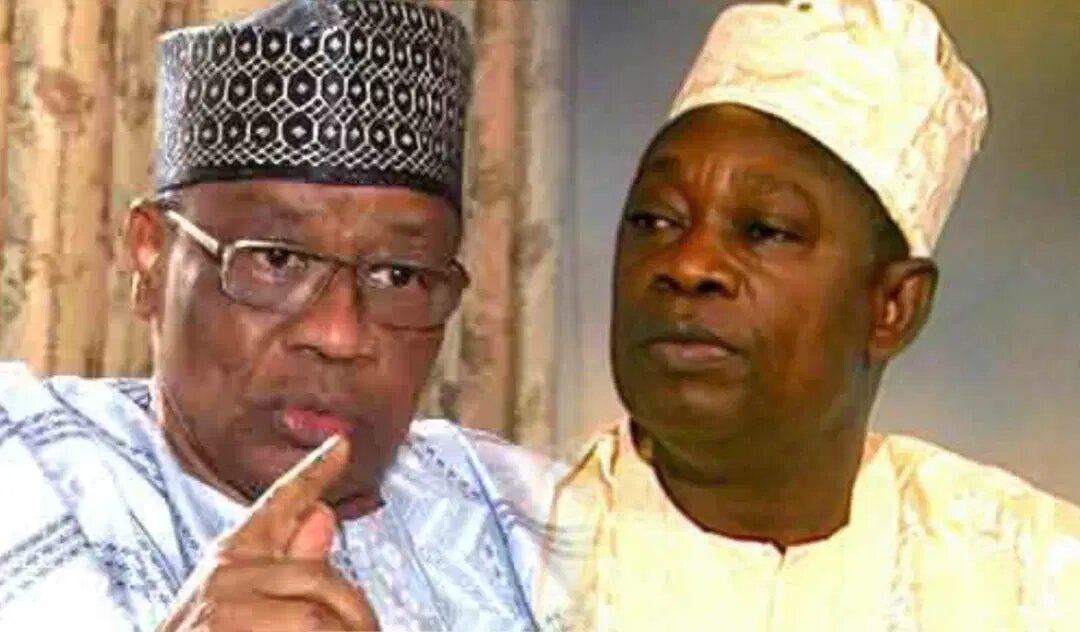
It is often said that time heals wounds, but history has shown us that time also demands accountability. After decades of evasion, former military president General Ibrahim Badamasi Babangida (IBB) has finally nurtured his wounded conscience with the truth regarding the annulment of the June 12, 1993, presidential election.
Just as Uthman Dan Fodio once recommended that “conscience is an open wound, only truth can heal it,” the former military president has finally tended to his wounded conscience by admitting the truth about the annulment of the June 12, 1993, presidential election in his book. For decades, the ghost of that historic injustice has haunted Nigeria’s democratic journey, but by coming clean, IBB has, at least, acknowledged the weight of his actions. While his confession does not erase the past, it aligns with Dan Fodio’s wisdom, which says only truth has the power to bring closure to history’s most painful wounds.
Though his somewhat confession has come late, long after many key players in that unfortunate monkeyshines have passed on, it still holds significance for the sake of posterity.
For years, Nigerians have yearned for an honest acknowledgment of the circumstances surrounding the annulment of what is still widely regarded as Nigeria’s freest and fairest election. The event that denied Chief Moshood Kashimawo Olawale (MKO) Abiola his legitimate mandate remains a dark stain on our democratic journey. The excuses and justifications provided over the years never satisfied the thirst for truth. Now, IBB’s belated confession, though not a complete absolution of his role, serves as a historical document that at least gives Nigerians some clarity.
The question on the lips of many Nigerians is: “Why now?” “Why did IBB choose to reveal his truth at a time when the principal victims of his actions are no longer alive to react?” MKO Abiola, the man whose mandate was stolen, died under suspicious circumstances while still demanding justice. His wife, Kudirat Abiola, was assassinated in the course of the struggle. Other activists and journalists who fought relentlessly for the reversal of the annulment either suffered exile, imprisonment, or lost their lives. The Nigerian people endured political repression, economic hardship, and a prolonged transition to democracy. The confession, though welcomed, is coming at a time when justice can no longer be served to those directly affected.
Yet, it is better late than never. By admitting the truth, IBB has at least given Nigerians something tangible to hold onto. The significance of this confession cannot be overlooked. It reinforces the fact that Nigeria’s democratic struggle was not in vain. It also serves as a reminder that no matter how long it takes, the truth has a way of emerging. For those who doubted the sincerity of the opposition to the annulment, this confession is a validation that history had judged rightly.
In fact, IBB’s public acknowledgment should serve as a moral benchmark for others who have, at different political dispensations, contributed to Nigeria’s downfall. Nigeria has suffered repeated betrayals from individuals entrusted with power and responsibility. From electoral manipulations to corruption and governance failures, the country has been plagued by leaders who, like IBB, made self-serving decisions at the expense of the people.
Where are those who orchestrated the economic policies that plunged millions into poverty? Where are the architects of failed government programs that siphoned public funds while leaving citizens in suffering? Where are the political leaders who used ethnic and religious divisions to gain power, only to abandon the people when it mattered most? These individuals, like IBB, owe Nigerians the truth.
Confession is not just about admitting wrongdoing; it is about setting the record straight and giving future generations the opportunity to learn from past mistakes. Those who have played key roles in Nigeria’s political and economic sabotage should follow IBB’s example and admit their misdeeds. This is not about public shaming but about fostering a culture of answerability. Nigeria cannot move forward if its history remains shrouded in lies and deliberate misinformation.
Without a doubt, there is an urgent need for institutional truth-telling. Many countries that have suffered similar political betrayals have implemented truth and reconciliation commissions. South Africa’s post-apartheid Truth and Reconciliation Commission provided a platform for perpetrators of political crimes to confess their actions and seek forgiveness. Nigeria has never had such a structured approach to addressing its past.
Imagine a situation where past military rulers, corrupt politicians, and economic saboteurs come forward to acknowledge their wrongdoings. Imagine how much healing it would bring if those who orchestrated electoral frauds admitted their roles and sought national forgiveness. Such a process would not erase the damage done, but it would give Nigeria a stronger foundation for moving forward.
In fact, IBB’s confession has reignited discussions on the role of citizens in holding leaders accountable. While it is easy to blame those in power, Nigerians must also reflect on how they have enabled unpatriotic leadership. Too often, the electorate has been complicit in electing or tolerating corrupt politicians. The culture of political sycophancy, where individuals support leaders based on ethnic or religious affiliations rather than competence, has been detrimental to the nation’s progress.
The lessons from June 12 should go beyond IBB’s confession. Nigerians must demand better governance, transparency, and integrity from their leaders. If we do not hold our leaders accountable, history will continue to repeat itself. Confessions are useful, but they should lead to systemic change.
Beyond individual confessions, Nigeria must explore avenues for restorative justice. While some might argue that IBB’s confession is enough, others believe that justice must go beyond mere words. Should there be reparations for the damage caused by the annulment of June 12? Should there be legal consequences for historical political crimes? These are tough but necessary questions that Nigerians must begin to ask.
Furthermore, the government should take steps to formally document the history of June 12 in school curricula, civic education, and national discourse. We must not allow future generations to be misinformed or manipulated about the true events of the past. If we are to build a stronger democracy, we must learn from our past mistakes and ensure that the mistakes of history are never repeated.
IBB’s delayed confession about the June 12 annulment is not enough to erase the pain and damage caused, but it is still a step in the right direction. It is an acknowledgment that the Nigerian people were wronged, and that truth, no matter how long it takes, will always surface. Other political actors who have betrayed Nigeria in one way or another should take a cue from IBB and come forward with their own confessions.
For the sake of posterity, Nigeria must embrace truth as a necessary component of nation-building. Without honesty about our past, we cannot chart a clear course for the future. As we remember June 12 and its significance, let us also remember that democracy thrives on accountability. The journey to a better Nigeria begins with a commitment to truth, no matter how uncomfortable it may be. The time for silence and denial is over, Nigeria deserves the truth, and it deserves it now.






















You must be logged in to post a comment Login