
Africa
Maltreatment Of Nigerians In N’Djamena: A Silent Cry From Across The Border -By Esther Tumba John
Governor Babagana Zulum of Borno State, whose people form a large part of the affected population, must raise this matter at the federal level. The voices of his people must not be ignored, even when they cry from across the border. He has shown a strong commitment to his people’s welfare — now, he must extend that compassion to those stranded and suffering in foreign lands.

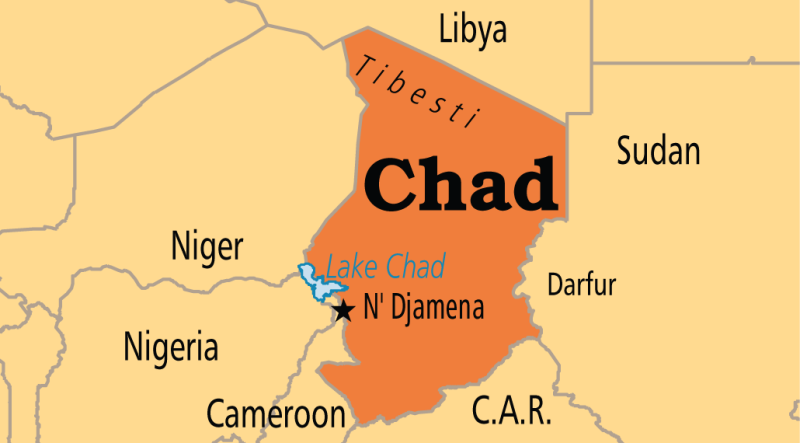
In the bustling streets of N’Djamena, the capital of Chad, a growing number of Nigerians are enduring silent suffering. Mostly young men and women from northeastern states like Borno, Yobe, and Adamawa, they crossed the border with hopes of survival, only to be met with discrimination, exploitation, and abuse. Their stories paint a grim reality that calls for immediate attention from Nigerian authorities and human rights defenders.
Many of these migrants fled Nigeria not for luxury, but for survival. Conflict, poverty, and lack of opportunities at home pushed them to seek menial jobs across the border. Some work in construction, domestic labor, roadside vending, or farming. But instead of a better life, many have found themselves trapped in degrading conditions — often overworked, underpaid, and treated as second-class humans. Reports from returnees and migrant support groups reveal patterns of maltreatment ranging from physical abuse to wage theft. Employers in N’Djamena routinely exploit Nigerian laborers, refusing to pay agreed wages, subjecting them to long hours, and threatening them with arrest or deportation if they complain. Without legal residency or labor protections, many Nigerians in Chad live in constant fear.
Women face even greater risks. Some are subjected to sexual harassment and abuse in domestic jobs or forced into exploitative relationships for survival. Others end up in illegal detention centers after being rounded up during immigration raids. The psychological toll of this abuse is enormous, leaving many traumatized, isolated, and hopeless. Language barriers, lack of documentation, and poor diplomatic presence make it difficult for victims to report abuse. Many Nigerians in Chad lack access to legal aid or consular support. As a result, they endure mistreatment in silence, with no one to turn to. Some have even died under suspicious circumstances, buried far from home without justice or recognition.
This situation reflects a broader failure in the protection of Nigerians abroad. While migration is not a crime, the Nigerian government must take responsibility for the welfare of its citizens, regardless of where they are. A visible diplomatic presence, strong consular services, and bilateral agreements with host countries are needed to ensure migrants are treated with dignity and fairness.
More urgently, the Federal Government, through the Ministry of Foreign Affairs and the Nigerians in Diaspora Commission (NIDCOM), must engage the Chadian authorities to investigate reports of abuse and ensure accountability. A special task force should be set up to monitor the conditions of Nigerians in Chad and assist victims of abuse. At the same time, it is important to address the root causes of this migration. No Nigerian should feel forced to endure hardship abroad because survival at home seems impossible. Investment in job creation, vocational training, and security in the northeastern states is critical to stemming the tide of desperate migration.
Governor Babagana Zulum of Borno State, whose people form a large part of the affected population, must raise this matter at the federal level. The voices of his people must not be ignored, even when they cry from across the border. He has shown a strong commitment to his people’s welfare — now, he must extend that compassion to those stranded and suffering in foreign lands.
The maltreatment of Nigerians in N’Djamena is a humanitarian crisis in slow motion. It is a violation of rights, a stain on our dignity, and a challenge to our conscience. These are not faceless migrants — they are brothers, sisters, sons, and daughters of Nigeria. They deserve protection, justice, and the chance to live in dignity, whether at home or abroad.
It is time to act — not tomorrow, not next month — but now.
ESTHER TUMBA JOHN IS A 300 LEVEL STUDENT FROM MASS COMMUNICATION DEPARTMENT UNIVERSITY OF MAIDUGURI.

























You must be logged in to post a comment Login