
Africa
Media Literacy: The Weapon Against Fake News -By Aisha Muhammad Abdulhadi
Fake news poses a serious threat to social stability, democracy, and public trust. It damages institutions and creates divisions among people. In some cases, it has even incited violence and hate speech.

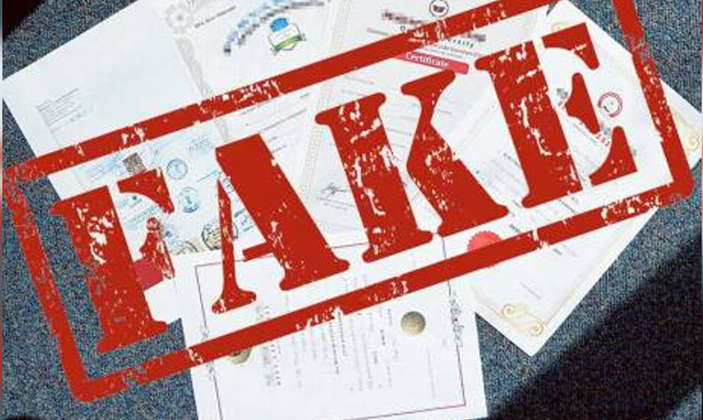
In today’s digital age, information spreads faster than ever before. Social media platforms, blogs, and online news websites have made it easy for people to access news instantly. While this development has improved access to information, it has also created a major challenge: the rise and spread of fake news.
Fake news refers to false, misleading, or deliberately fabricated information presented as legitimate news. It is often designed to manipulate public opinion, create confusion, or push certain agendas. Unfortunately, due to the speed of digital communication, fake news can go viral within minutes often without being verified.
In Nigeria and many other developing countries, the impact of fake news is especially dangerous. Limited access to credible sources, low media literacy levels, and widespread reliance on social media make people more vulnerable to misinformation. WhatsApp forwards and Facebook posts often become trusted sources, even when the information is completely false.
The impact of fake news on society is far-reaching. It creates fear, panic, and confusion among the public. It can damage reputations, incite violence, and weaken trust in legitimate media institutions. During elections, fake news can mislead voters and influence political decisions. In health-related situations, such as pandemics, misinformation can cause people to ignore medical advice, resulting in preventable deaths.
One of the key ways to address this issue is through media literacy. Media literacy is the ability to access, analyze, evaluate, and interpret media messages. It teaches individuals how to question the credibility of content, understand the intent behind media messages, and recognize bias or manipulation.
A media-literate person understands that not all information is factual. They know how to verify claims, check the credibility of sources, and distinguish between facts, opinions, and propaganda. These skills are essential in a world where sensational headlines and manipulated content are common.
Fake news thrives on emotional appeal. It often uses shocking headlines, doctored images, or exaggerated claims to provoke strong reactions. Without media literacy, people may respond emotionally and share false content without checking its accuracy.
Media literacy helps individuals slow down and think critically. It encourages users to ask: Who wrote this? Is the source credible? What is the purpose of this message? Have other trusted outlets reported this story? These simple questions can prevent the spread of harmful misinformation.
Practical steps can also be taken to strengthen media literacy in daily life. Individuals should make a habit of verifying information with multiple sources before sharing. Tools such as Africa Check, Dubawa, and Google Fact Check can help users confirm the truth behind viral claims.
Educational institutions play a significant role in promoting media literacy. Integrating media literacy into school curricula helps students develop critical thinking skills from a young age. These skills stay with them for life, shaping how they consume information as adults.
Media organizations also have a responsibility. Newsrooms must prioritize accuracy, fact-checking, and transparency. Journalists must uphold ethical standards to maintain public trust and counter the effects of fake news.
Governments and civil society groups can launch awareness campaigns and community workshops to educate the public. When more people understand the dangers of misinformation, they are less likely to fall for it or share it.
Technology companies must also take responsibility. Social media platforms should develop stronger systems to detect and limit the spread of fake content. While technology is part of the problem, it can also be part of the solution.
Citizens must be encouraged to pause before sharing. Just because something is trending or emotional does not mean it is true. Responsible digital behavior can go a long way in stopping the viral spread of fake news.
Fake news poses a serious threat to social stability, democracy, and public trust. It damages institutions and creates divisions among people. In some cases, it has even incited violence and hate speech.
Media literacy is one of the most powerful tools we have to fight fake news. It empowers individuals to analyze media content critically, verify information before sharing, and become responsible digital citizens.
Media literacy is no longer optional; it is essential. To build a more informed, united, and democratic society, we must invest in the skills that help people navigate the digital world wisely and responsibly.























You must be logged in to post a comment Login