Africa
Moi Moi Delicacy as a Unifying Cultural Cuisine in Nigeria -By Roseline Ojebiyi
Moi Moi is more than just a dish; it is a unifying symbol of Nigeria’s rich cultural diversity and national identity. Its widespread acceptance across ethnic, religious, and regional lines makes it a powerful example of how food can foster unity and social cohesion. Whether served at family gatherings, national celebrations, or international cultural events, Moi Moi remains a cherished part of Nigerian culinary heritage. By preserving and promoting its traditional significance, Nigeria can continue to celebrate its diversity while reinforcing the bonds that hold the nation together.

Introduction
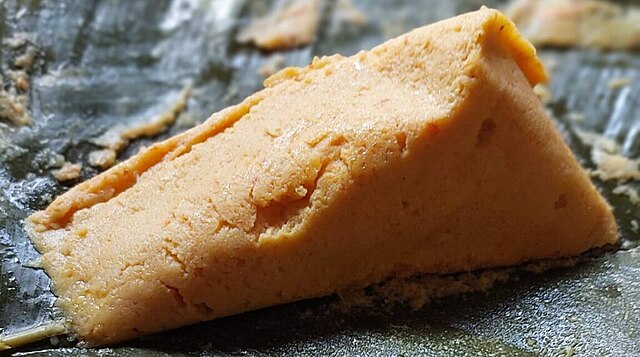
Nigeria is a country rich in cultural diversity, with over 250 ethnic groups and a wide variety of traditional cuisines. Despite regional differences in language, customs, and food preferences, certain dishes have achieved national acceptance, serving as cultural unifiers across ethnic lines. One such dish is “Moi Moi”, a steamed bean pudding made from blended beans, peppers, onions, and various seasonings. Moi Moi is widely enjoyed across Nigeria, transcending ethnic and regional boundaries. Its versatility, nutritional value, and deep cultural significance have made it a staple dish in homes, festive gatherings, and special occasions. This paper explores how Moi Moi serves as a unifying cuisine in Nigeria, highlighting its role in bridging cultural divides, fostering social interactions, and promoting national identity.
Historical and Cultural Significance of Moi Moi
Moi Moi has been a part of Nigerian culinary traditions for centuries, with historical roots tracing back to indigenous cooking techniques that involve steaming food in leaves. Although it is believed to have originated among the Yoruba people of southwestern Nigeria, the dish has been widely adopted by other ethnic groups due to its appealing taste, ease of preparation, and compatibility with various Nigerian meals.
In many Nigerian homes, Moi Moi is not just food; it is a symbol of hospitality and communal bonding. It is often prepared for important ceremonies such as weddings, naming ceremonies, religious gatherings, and festivals, where people from different cultural backgrounds come together to celebrate. The communal process of preparing Moi Moi—soaking and peeling the beans, blending the ingredients, and wrapping the mixture in banana leaves or foil—is often a shared activity that fosters social interactions and strengthens family bonds.
Beyond its role in family and social gatherings, Moi Moi is also a dish of unity in religious and traditional settings. It is commonly served during Ramadan among Muslim communities, at Christmas celebrations among Christians, and at indigenous festivals across Nigeria. This wide acceptance highlights its ability to bring people together regardless of religious or ethnic differences.
Moi Moi as a Cross-Ethnic Delicacy
One of the reasons Moi Moi has achieved national popularity is its adaptability to different regional tastes and cooking styles. While the core ingredients remain the same—blended beans, peppers, onions, and seasonings—different ethnic groups have introduced unique variations to suit their culinary preferences.
Among the Yoruba people, Moi Moi is often prepared with boiled eggs, corned beef, or fish, enhancing its flavor and texture. In the Igbo-speaking regions, Moi Moi is sometimes wrapped in “uma” leaves, giving it a distinct aroma and taste. In northern Nigeria, Moi Moi is commonly served with rice dishes such as “tuwo shinkafa” (mashed rice pudding), making it a vital part of Hausa and Fulani cuisine. The Efik and Ibibio people of the South-South region also enjoy Moi Moi as a side dish with their rich seafood-based soups and stews.
This regional adaptation of Moi Moi underscores its versatility and universal appeal. Unlike some traditional dishes that remain exclusive to specific ethnic groups, Moi Moi has evolved into a shared culinary identity, appreciated and consumed across Nigeria. Its widespread availability in restaurants, markets, and street food stalls further solidifies its status as a national dish.
Moi Moi as a Symbol of Unity in Social and Cultural Gatherings
Nigeria is a country where food plays a crucial role in social interactions, and Moi Moi is often at the center of communal dining experiences. At events such as weddings, birthday parties, and political gatherings, Moi Moi is frequently included on the menu, bringing together people from different ethnic, religious, and socio-economic backgrounds. The shared experience of enjoying this dish fosters a sense of togetherness and unity.
Additionally, Moi Moi is a common feature in national celebrations such as Nigeria’s Independence Day (October 1st) and Democracy Day (June 12th). It is served in government functions, corporate events, and public gatherings where people from all walks of life come together to celebrate national milestones. In this way, Moi Moi serves not only as a meal but also as a cultural emblem that reinforces the idea of Nigeria’s unity in diversity.
Furthermore, Moi Moi has gained prominence in the Nigerian diaspora, where it continues to serve as a reminder of home and heritage. Nigerians living abroad often prepare Moi Moi during cultural festivals, showcasing their culinary traditions to the world. This global recognition contributes to Nigeria’s cultural diplomacy, presenting Moi Moi as an integral part of the nation’s identity.
Nutritional and Economic Importance of Moi Moi
Beyond its cultural and social significance, Moi Moi is also valued for its nutritional benefits. Made primarily from beans, it is rich in protein, fiber, and essential vitamins, making it an important food source for Nigerians of all age groups. The inclusion of ingredients such as fish, eggs, and vegetable oil further enhances its nutritional profile, making it a balanced meal suitable for both children and adults.
From an economic perspective, Moi Moi contributes to the livelihood of many Nigerians, particularly in the food business sector. Local markets and restaurants thrive on its sale, while small-scale food vendors and caterers benefit from its popularity at events. The demand for Moi Moi has also encouraged agricultural production, particularly in the cultivation of beans, peppers, and other essential ingredients used in its preparation. This economic impact further solidifies its role in national development and sustenance.
Challenges and the Future of Moi Moi as a Unifying Cuisine
Despite its popularity, Moi Moi faces challenges that threaten its continued role as a unifying cultural dish. The increasing cost of food items, including beans and other essential ingredients, has made it less affordable for some Nigerians. Additionally, the modernization of food processing, including the rise of fast food and Western-style dining, has led to a decline in the consumption of traditional meals.
To ensure that Moi Moi continues to serve as a symbol of unity, efforts must be made to promote its cultural and economic importance. Food festivals, culinary competitions, and media campaigns can be used to celebrate and preserve the heritage of traditional Nigerian cuisine. Moreover, government policies that support local agriculture and food production can help maintain the affordability and availability of Moi Moi for all Nigerians.
Conclusion
Moi Moi is more than just a dish; it is a unifying symbol of Nigeria’s rich cultural diversity and national identity. Its widespread acceptance across ethnic, religious, and regional lines makes it a powerful example of how food can foster unity and social cohesion. Whether served at family gatherings, national celebrations, or international cultural events, Moi Moi remains a cherished part of Nigerian culinary heritage. By preserving and promoting its traditional significance, Nigeria can continue to celebrate its diversity while reinforcing the bonds that hold the nation together.
Roseline Ojebiyi
Chief Ethnographer (National Commission for Museums and Monuments)