Africa
Navigating Bauchi: The Changing Face Of Transportation In The Pearl Of Tourism -By Fatima Sunusi Mustapha
Bauchi’s transport story is, in many ways, a reflection of Nigeria’s broader struggle — the intersection of development, population growth, and economic hardship. Yet, amid the noise of engines and the dust of unpaved roads, hope still drives the people forward. Whether on a tricycle racing through Bauchi Road or a bus bound for Azare, the spirit of movement defines the resilience of its people.

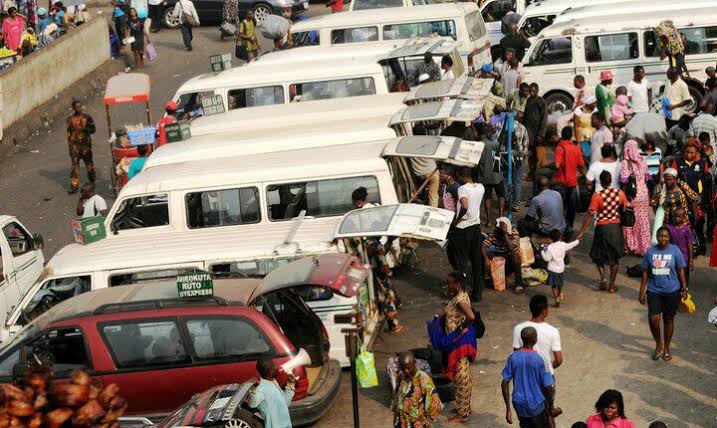
In the heart of northeastern Nigeria, Bauchi State — often called “the Pearl of Tourism” — is a place of rich culture, scenic landscapes, and growing urban energy. But beneath its beauty lies a daily struggle that affects nearly every resident: transportation. From the crowded motor parks of Bauchi metropolis to the dusty rural roads of Dass and Ningi, movement across the state tells a story of resilience, innovation, and frustration.
Transportation in Bauchi has evolved rapidly over the years. Once dominated by bicycles and donkeys, the roads are now filled with motorcycles, tricycles, buses, and private cars. The city of Bauchi, home to thousands of workers, students, and traders, depends heavily on commercial tricycles known locally as Keke NAPEP. These three-wheelers weave through traffic with ease, providing the fastest means of getting around. For many, the Keke is more than a ride — it is a symbol of survival and livelihood.
However, the removal of fuel subsidy in 2023 brought new challenges to Bauchi’s transport system. With petrol prices tripling, transport fares have risen sharply, leaving commuters and drivers struggling to adapt. “Before, I paid ₦150 from Yelwa to the main market,” says Amina Yusuf, a student at Abubakar Tatari Ali Polytechnic. “Now it’s ₦400 or more. Sometimes I just walk to save money.” Her story echoes that of many residents who have had to adjust their daily routines due to soaring costs.
Drivers, too, are feeling the pressure. Malam Usman, a Keke rider, explains that profits have fallen since the subsidy removal. “Fuel is too expensive. After buying petrol and paying union fees, what remains is small,” he laments. “We work from morning till night just to feed our families.” Many transport workers have switched to alternative routes or started using gas-powered engines to cut costs, though few can afford the conversion.
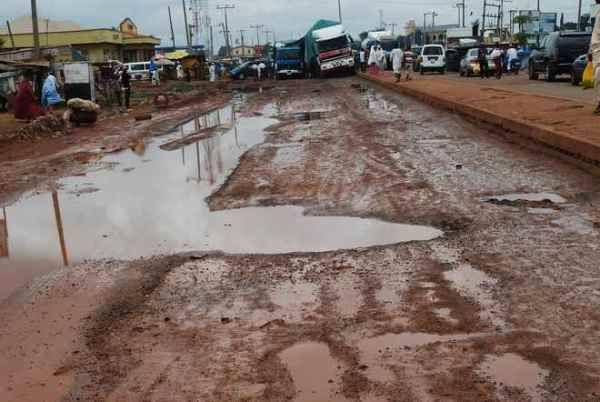
Road conditions across the state present another major concern. While the Bauchi–Jos and Bauchi–Gombe highways are fairly motorable, several local roads remain in poor shape, especially during the rainy season. Potholes, erosion, and inadequate drainage make travel risky and time-consuming. Rural dwellers, particularly farmers, face serious difficulties transporting goods to urban markets, leading to losses and higher food prices. Residents of areas like Misau, Toro, and Alkaleri frequently call on the state government for urgent road rehabilitation.
In response, the Bauchi State Government has launched several initiatives aimed at improving the transport sector. Governor Bala Mohammed’s administration has invested in road construction projects, including the dualization of key city roads and the rehabilitation of feeder routes connecting rural communities. The government has also introduced new buses under the state-owned transport company to ease commuting for civil servants and students. Yet, despite these efforts, demand continues to outpace supply.
Urban congestion remains a growing problem. The rapid population increase in Bauchi metropolis has led to overcrowded roads, especially around the Central Market, Federal Low-Cost, and Wunti areas. Traffic jams during peak hours are now a daily occurrence. Urban planners warn that unless the state develops a long-term transport policy — including regulated parking, traffic lights, and better road networks — the problem could worsen as the city expands.
In the midst of these challenges, creativity and resilience shine through. Many youths in Bauchi have turned transportation into a business opportunity, working as Keke riders, taxi drivers, and motorcycle dispatchers. The rise of ride-hailing services such as Bolt and InDriver has also started to reshape urban mobility, offering digital alternatives to traditional transport. Although still limited, these platforms are gaining popularity among students and professionals seeking comfort and reliability.
Security on the roads has improved in recent years, thanks to increased patrols by local vigilante groups and collaboration with security agencies. Night travel, however, remains unsafe in some remote parts of the state due to poor lighting and occasional robbery incidents. Transport unions are now calling for better coordination with law enforcement to protect passengers and drivers, especially during festive periods when movement peaks.
Bauchi’s transport story is, in many ways, a reflection of Nigeria’s broader struggle — the intersection of development, population growth, and economic hardship. Yet, amid the noise of engines and the dust of unpaved roads, hope still drives the people forward. Whether on a tricycle racing through Bauchi Road or a bus bound for Azare, the spirit of movement defines the resilience of its people.
As the state pushes toward modernization, the question remains: can Bauchi build a transport system that matches its ambitions? For now, every journey — long or short — tells the same story of endurance, adaptation, and an unyielding belief that tomorrow’s road will be smoother.
Fatima Sunusi Mustapha is a 300 level student from Kashim Ibrahim University (Formerly Borno State University, Maiduguri)