National Issues
Nigeria at the Crossroads: A Critical Look at President Bola Ahmed Tinubu’s Policies -By Barr. Dr Terry Anthony Nnakaihe
Nigeria continues to grapple with persistent insecurity. From banditry in the North-West to insurgency in the North-East, and kidnappings across various regions, citizens live in constant fear. Despite promises of reform and improved security architecture, many communities remain vulnerable and unprotected.
The inability of the government to decisively tackle insecurity not only undermines public confidence but also discourages investment, slows economic growth, and disrupts livelihoods—particularly in rural areas where farming has become a dangerous occupation.

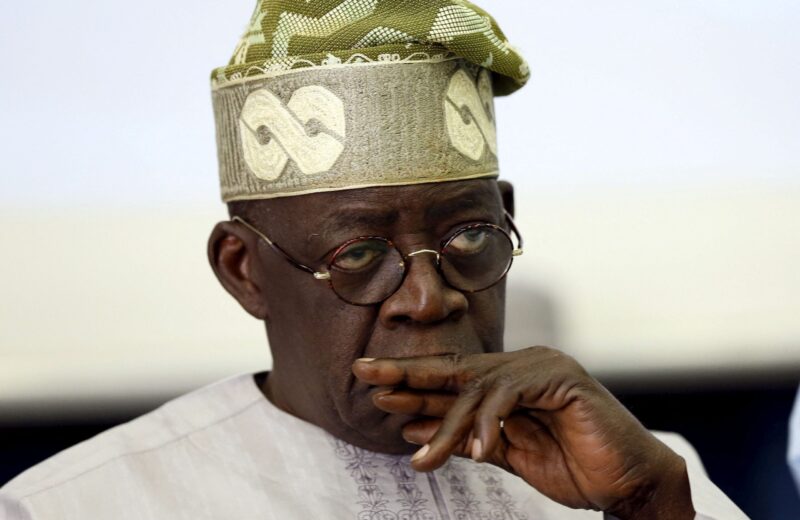
Nigeria today stands at a difficult and defining moment in its history under the leadership of Bola Ahmed Tinubu. While expectations were high at the onset of his administration, the realities confronting ordinary Nigerians tell a troubling story—one marked by rising fuel costs, deepening insecurity, widespread unemployment, and extreme poverty.
Fuel Price Hike: A Burden Too Heavy.
One of the earliest and most impactful decisions of President Tinubu’s administration was the removal of fuel subsidies. While the policy may have been framed as an economic necessity, its execution has inflicted severe hardship on millions of Nigerians. The sudden increase in petrol prices triggered a ripple effect across all sectors—transportation costs soared, food prices skyrocketed, and the cost of living became unbearable for the average citizen.
For a nation where a significant percentage lives below the poverty line, such abrupt economic adjustments, without adequate cushioning measures, have deepened suffering rather than alleviating it.
Insecurity: A Nation Under Siege.
Nigeria continues to grapple with persistent insecurity. From banditry in the North-West to insurgency in the North-East, and kidnappings across various regions, citizens live in constant fear. Despite promises of reform and improved security architecture, many communities remain vulnerable and unprotected.
The inability of the government to decisively tackle insecurity not only undermines public confidence but also discourages investment, slows economic growth, and disrupts livelihoods—particularly in rural areas where farming has become a dangerous occupation.
Unemployment: The Silent Crisis.
Unemployment, especially among the youth, has reached alarming levels. Graduates roam the streets without jobs, while many skilled individuals are forced into underemployment or informal work. The lack of clear, sustainable job creation strategies has left millions disillusioned.
Rather than witnessing a surge in economic opportunities, Nigerians are experiencing shrinking prospects, leading to increased frustration, brain drain, and social instability.
Extreme Poverty: The Human Cost.
Perhaps the most painful consequence of current policies is the rise in extreme poverty. Families struggle to afford basic necessities—food, healthcare, and education. Inflation continues to erode purchasing power, pushing more citizens into desperation.
Nigeria, despite its vast natural and human resources, is witnessing a widening gap between the rich and the poor. The absence of effective social safety nets has left the most vulnerable exposed to economic shocks.
A Call for Urgent Action
Criticism is not an attack on leadership—it is a call for accountability and improvement. Nigerians deserve policies that prioritize their welfare, ensure security, create jobs, and reduce poverty.
President Tinubu’s administration must urgently reassess its strategies, engage stakeholders transparently, and implement people-centered reforms. Economic policies should be accompanied by strong social interventions, while security must be treated as a non-negotiable priority.
Conclusion
Nigeria cannot afford to continue on a path that deepens hardship and uncertainty. Leadership must rise to the occasion with empathy, competence, and decisive action. The future of millions depends not on promises, but on tangible, impactful change.