Africa
Nigeria Must Reform Its Electoral System Before 2027 – Or Risk Democratic Collapse -By Jeff Okoroafor
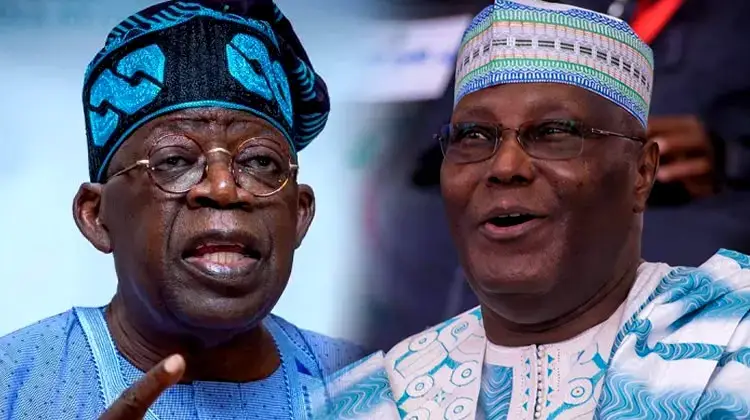
Nigeria cannot afford another cycle of disputed elections. If the political class continues to treat elections as a winner-takes-all battlefield rather than a democratic process, the country risks descending into deeper instability. The time for reform is now—before 2027. The future of Nigeria’s democracy depends on it. If we fail, Nigeria may soon join the list of failed democracies where elections are mere formalities, and power belongs only to those who can manipulate the system. The time to act is now.


Nigeria’s democracy is in crisis. The 2023 general elections, like those before them, were marred by allegations of fraud, voter suppression, logistical failures, and violence. Public trust in the electoral process has eroded, and if urgent reforms are not implemented before 2027, the consequences could be catastrophic—further entrenching political instability, disenfranchising millions, and potentially triggering widespread unrest.
Nigeria’s electoral system suffers from deep structural flaws. The Independent National Electoral Commission (INEC), despite its promises, has repeatedly failed to deliver credible elections. The Bimodal Voter Accreditation System (BVAS) and the INEC Results Viewing Portal (IReV), introduced to enhance transparency, were undermined by technical failures, deliberate sabotage, and inconsistent application. In many cases, election results were allegedly manipulated, with reports of over-voting, ballot box snatching, and intimidation.
Judicial interventions have further damaged confidence. When courts overturn elections based on technicalities rather than substantial evidence, or when rulings appear politically motivated, citizens lose faith in democracy itself. The 2023 elections saw an unprecedented number of petitions, with many Nigerians viewing the judiciary as compromised.
Why Reform Must Happen Before 2027
- Restoring Public Trust
A democracy cannot survive if citizens believe their votes do not count. Widespread apathy—already evident in declining voter turnout—will worsen unless reforms ensure free and fair elections. INEC must be truly independent, adequately funded, and shielded from political interference. - Preventing Electoral Violence
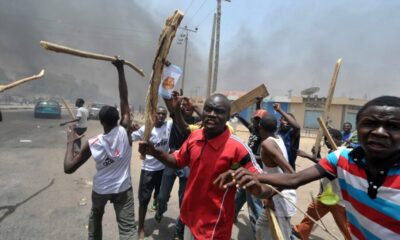
When elections are perceived as fraudulent, frustration boils over into violence. The 2023 polls saw deadly clashes, and without reform, 2027 could be worse. A transparent process would reduce the incentive for thuggery and intimidation. - Strengthening Institutions
Nigeria’s democracy is only as strong as its institutions. INEC, the judiciary, and security agencies must operate without bias. Electoral offenders—no matter how powerful—must face consequences. Strengthening the Electoral Act to mandate electronic transmission of results and severe penalties for rigging is critical. - Encouraging Credible Leadership
A flawed system rewards politicians who excel in rigging rather than governance. If elections were truly fair, leaders would be accountable to the people, not to godfathers or fraudulent schemes.
The Crisis of Credibility: Data Doesn’t Lie
The evidence of Nigeria’s electoral dysfunction is overwhelming:
- Declining Voter Turnout
- In 2015, voter turnout was 43.7%.
- By 2019, it dropped to 34.8%.
- In 2023, it fell further to 26.7%—the lowest in Nigeria’s democratic history (INEC Data).
This trend reflects mass disillusionment—Nigerians no longer believe their votes matter.
- Judicial Interventions Undermining Elections
- After the 2023 elections, 1,209 petitions were filed across tribunals (NJC Reports).
- Four governors’ elections were overturned (Kano, Zamfara, Plateau, Nasarawa), raising concerns about judicial consistency.
- In Plateau State alone, over 50 legislative seats were nullified due to pre-election technicalities rather than electoral fraud (Premium Times).
- Electoral Violence & Security Failures
- The 2023 elections recorded over 600 violent incidents, including 74 deaths (CLEEN Foundation).
- INEC officials were abducted, voting materials destroyed, and voters intimidated in Lagos, Rivers, Kano, and other states.
- Technology Failures Despite Promises
- INEC’s BVAS (Bimodal Voter Accreditation System) and IReV (INEC Results Viewing Portal) failed in critical areas.
- Only 31% of polling units uploaded results in real-time during the presidential election (Yiaga Africa).
- In Rivers State, over 40% of results were manually altered before final collation (EU Election Observation Report).
The Path Forward
Reforms must begin now. Key steps include:
- Full implementation of electronic voting and results transmission to minimize human interference.
- Financial and operational autonomy for INEC, with strict oversight to prevent corruption.
- Judicial reforms to ensure election tribunals deliver timely, impartial judgments.
- Severe punishment for electoral offenders, including politicians, security agents, and INEC officials involved in malpractice.
- Civic education and voter empowerment to combat apathy and ensure citizens understand their rights.
Nigeria cannot afford another cycle of disputed elections. If the political class continues to treat elections as a winner-takes-all battlefield rather than a democratic process, the country risks descending into deeper instability. The time for reform is now—before 2027. The future of Nigeria’s democracy depends on it. If we fail, Nigeria may soon join the list of failed democracies where elections are mere formalities, and power belongs only to those who can manipulate the system. The time to act is now.
Jeff Okoroafor is a social accountability advocate and a political commentator focused on governance, accountability, and social justice in West Africa.