Africa
Nigeria’s Battle With Flooding: Urgent Steps Needed To Tackle The Crisis, by Cynthia Arewa

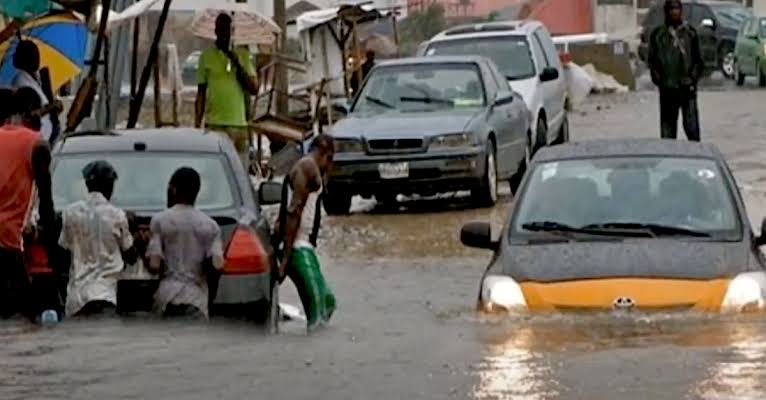
Flooding has long been a recurring problem in Nigeria, with the country’s natural topography, poor drainage systems, and climate change exacerbating the issue. However, recent floods, which have devastated vast parts of the country, including major urban areas, have brought the full scale of the problem to the forefront. The floods have not only resulted in widespread destruction of property and loss of lives but also significantly disrupted economic activities, infrastructure, and livelihoods, making it an urgent issue that demands comprehensive, long-term solutions.
The flood crisis, which affected various states in Nigeria, including Lagos, Anambra, and parts of the Middle Belt, is largely attributed to a combination of factors. Heavy rainfall, particularly in the months leading up to the peak of the rainy season, has overwhelmed existing drainage systems. In some regions, flash floods have swept away homes, roads, and bridges, cutting off access to vital services and resources. In rural areas, farmlands have been submerged, leading to crop destruction and worsening food insecurity.
Furthermore, the country’s flood management system is not equipped to handle the growing intensity and frequency of such natural disasters. Urbanization has led to the construction of buildings on floodplains, blocking water flow and putting more people at risk. While the government has made efforts to mitigate flooding through various water control projects, many of these are either incomplete or poorly maintained. In addition, the National Emergency Management Agency (NEMA) has responded with relief efforts, but these responses often come too late to prevent the damage.
The devastation caused by flooding extends beyond the immediate loss of property. Health risks also arise as floodwaters often mix with sewage, leading to the spread of waterborne diseases such as cholera and dysentery. This public health crisis is compounded by the displacement of thousands of people who are forced to seek shelter in camps or with relatives, further straining already limited healthcare resources.
In the aftermath of floods, economic activities are often severely disrupted, especially in flood-prone areas like those along the Niger and Benue rivers. Businesses are forced to close, and transportation networks are rendered unusable, crippling commerce. This economic strain is most heavily felt by low-income families who lack the resources to rebuild their homes and livelihoods.
To address this multifaceted crisis, Nigeria needs a strategic approach to flood management. First, there must be improved forecasting and early warning systems to ensure that vulnerable communities are adequately prepared ahead of a flood event. Government agencies like NEMA should be equipped with better resources for disaster response, focusing on quicker and more efficient deployment of relief materials, medical assistance, and temporary shelter.
Second, Nigeria must prioritize flood control infrastructure, including the maintenance of existing drainage systems and the development of new ones. Investment in resilient urban planning, such as the construction of flood barriers, proper land-use management, and better drainage in newly developing areas, will reduce the extent of flooding in the future.
Finally, Nigeria needs to ramp up efforts to combat climate change. While flooding is a natural phenomenon, climate change has intensified weather patterns, leading to increased rainfall and higher flood risks. The government must invest in green infrastructure, such as reforestation projects and wetland conservation, to help absorb excess water and mitigate the effects of heavy rainfall.
The floods in Nigeria are a stark reminder of the country’s vulnerability to environmental challenges. To prevent further devastation, both short-term measures, like improved disaster response, and long-term strategies, like investment in infrastructure and climate change mitigation, are crucial. Without these efforts, the country will continue to face the devastating effects of flooding, with grave consequences for its citizens, economy, and future.
Cynthia Arewa a 300 level student from Mass Communication Department University of Maiduguri.