
Africa
Nigeria’s Political Crisis: Urgent Issues Demanding Our Attention -By Barka David
Many issues are boiling—some economic, some structural, some tied to identity and governance. What happens in the next two years will matter profoundly. Nigerians deserve leadership that listens, that builds institutions rather than undermining them, that holds itself accountable, and that remembers that political power is a trust. If these burning issues are addressed with integrity, inclusivity, and foresight, Nigeria still has a chance to emerge stronger, more unified, and more resilient.

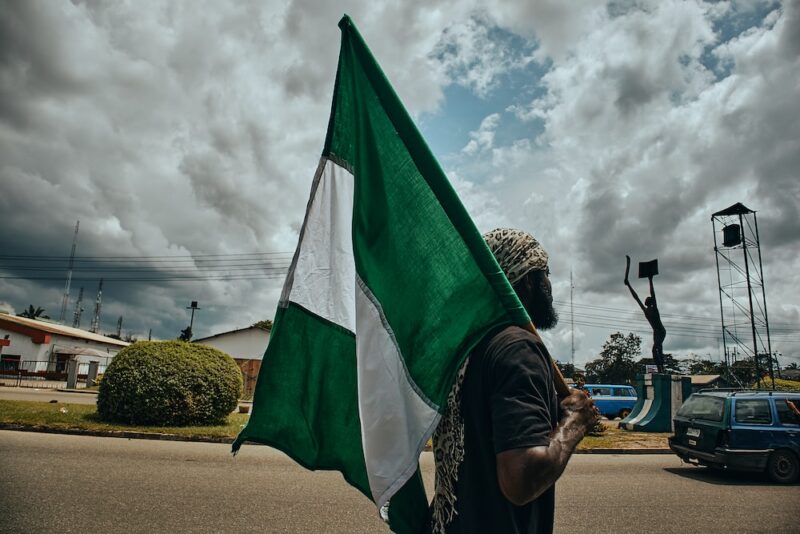
Nigeria finds itself at a crossroads. The political atmosphere is thick with tension right now—between citizens unsettled by economic hardship, political elites jockeying for power ahead of 2027, and institutions struggling to maintain legitimacy. The challenges are many: emergency rule in certain states, proposed reforms in the oil sector, widespread anxiety about election integrity, rising insecurity, and a growing sense among citizens that policy is disconnected from their daily suffering. Addressing these issues isn’t optional—it’s essential if Nigeria hopes to re-earn public trust and forge a more stable future.
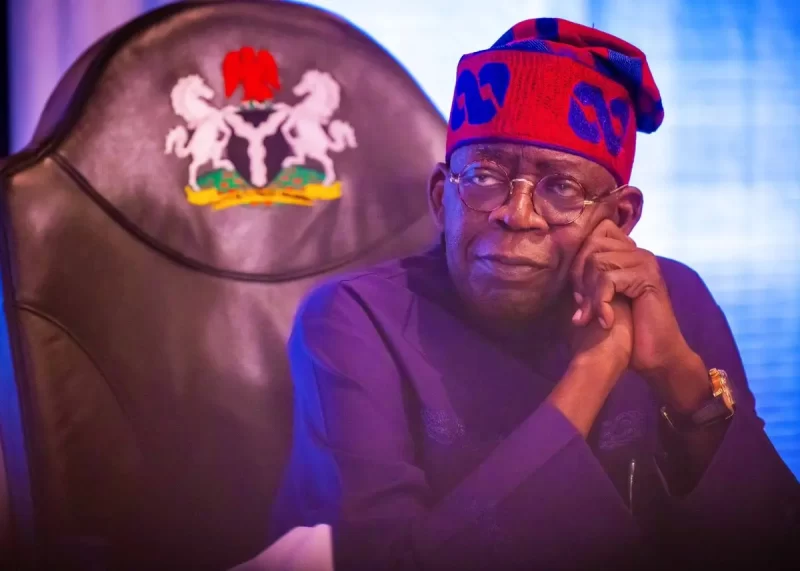
One of the most visible flashpoints has been the state of emergency that was imposed in Rivers State earlier this year and just recently lifted. President Bola Tinubu used this measure to suspend the governor, deputy governor, and lawmakers in the state amid intense conflict between the governor and the legislature. While the emergency rule was defended as necessary to restore order, many Nigerians viewed it as a troubling overreach, with questions about precedent, federalism, and the limits of executive power.
Closely tied to that is the issue of how political conflict in states is sometimes managed via extraordinary measures rather than dialogue and legal recourse. When governors and state assemblies fall into conflict, the response has sometimes leaned toward having the center step in with emergency powers. That might produce short-term calm, but it risks eroding the democratic norms of state autonomy and checks and balances—and sets a risky example for future administrations.
Another hot issue is the proposal to shift control of oil contracts from the Nigerian National Petroleum Company Limited (NNPC) to the regulatory body, the Nigeria Upstream Petroleum Regulatory Commission (NUPRC). The justification offered is that this move would reduce “statutory leakages and opaque deductions” under the current framework and ensure more revenue accrues to the Federation Account. But critics warn that without sufficient safeguards, this reform could create its own set of problems—regulatory capture, weakened oversight, and uncertainty over who controls what.
Transparency in governance remains a central demand. Whether in oil revenue, contract awards, or public spending, Nigerians are calling for better disclosure and accountability. The perception that some elites benefit disproportionately from state resources while most citizens suffer under rising inflation and worsening public services is fueling cynicism and, in many cases, public anger.
Election integrity is another burning concern. There are widespread fears that the 2027 general elections could be marred by manipulation, vote-rigging, intimidation, results falsification, and the misuse of state power. Civil society, media, and voters are especially uneasy about practices in recent by-elections that suggest the machinery of government may be used not to serve the people, but to entrench power.
Closely connected to election fears is the issue of “results transmission” and technology use by INEC (Independent National Electoral Commission). Many Nigerians advocate for electronic transmission of results directly from polling units to reduce opportunities for result manipulation during aggregation. The success or failure of such reforms will play a major role in determining whether the 2027 elections are credible or another disappointment.
Economic policies are also deeply political right now. For example, the Free On Board (FOB) levy on imports was introduced, sparking strong business and industry opposition, then suspended. While the government says this kind of fiscal policy is necessary to shore up non-oil revenue, many see such measures as ill-timed or poorly communicated. The way economic burdens are allocated—and who bears them—is part of what frames public trust.
Similarly, cuts in electricity subsidy and tariff hikes are creating discontent. These changes affect many people directly, especially low-income households and small businesses. When people don’t see commensurate improvements in public services (like reliable power supply), any increase in cost feels punitive rather than part of a balanced reform.
Security issues are deeply entwined with politics in Nigeria. Attacks by herders, communal violence, and fears of separatist movements—all feed into politics, identity, and governance failures. Political leaders often respond with security force deployments or institutional responses, but many citizens feel these are insufficient, sometimes heavy-handed, or poorly targeted. Each security failure erodes confidence in government.
Another political fault line is the growing coalition-building among opposition leaders ahead of 2027. Key opposition figures are forming alliances to challenge the ruling All Progressives Congress (APC). These alliances reflect desperation but also opportunity: if opposition forces can unite meaningfully, they may offer real alternatives. But there is risk, too: fragmented leadership, ideological incoherence, and internal rivalries could weaken the challenge.
At the heart of many of these issues is the question of political legitimacy. When governments make decisions that result in hardship—fuel price hikes, subsidy removals, or service failures—citizens expect transparency, fairness, and participation. When they don’t get that, legitimacy is questioned, social contract frays, and unrest becomes more likely.
Social media, deepfake technology, misinformation, and disinformation are also emerging threats. As the 2027 elections approach, there is real concern that political actors (or foreign actors) might exploit information technologies to manipulate public opinion. Weak regulation, low awareness, and high social media usage make Nigeria especially vulnerable.
Corruption remains a central issue. Many political controversies tie back to allegations of misuse of public funds, favoritism in contract awards, or opaque budget processes. Until anti-corruption institutions are viewed as independent, well resourced, and credible, corruption scandals will keep undermining trust in every level of government.
Voter apathy is creeping in. Between fears of rigged elections, violence, and the sense that votes don’t change outcomes, many Nigerians (especially young people) are becoming disengaged from formal politics. This is dangerous: for democracy to function, citizens must believe their participation matters.
In thinking ahead, what must political leaders do? First, commit in law and practice to reforms that enhance transparency: open procurement, public access to information, clear mechanisms for revenue sharing. Second, strengthen institutions—INEC, judiciary, anti-graft agencies—so they can enforce rules fairly and independently. Third, ensure economic policies are communicated well, with buffers for those most impacted. Fourth, invest in civic education and digital literacy so citizens can better discern truth from fake, and are less vulnerable to manipulation.
In conclusion, the political landscape in Nigeria is heating up. Many issues are boiling—some economic, some structural, some tied to identity and governance. What happens in the next two years will matter profoundly. Nigerians deserve leadership that listens, that builds institutions rather than undermining them, that holds itself accountable, and that remembers that political power is a trust. If these burning issues are addressed with integrity, inclusivity, and foresight, Nigeria still has a chance to emerge stronger, more unified, and more resilient.
Barka David Is A 300 Level Student From Mass Communication Department University Of Maiduguri.
















You must be logged in to post a comment Login