
Africa
Nigeria’s Power Sector Crisis: The Unending Struggle for Stable Electricity Supply -By Rukaiya Adamu Abdullahi
The international community and development partners have also shown interest in supporting Nigeria’s energy transition. The World Bank, the African Development Bank, and other multilateral institutions have provided funding and technical assistance for power projects. However, experts insist that without strong local institutions, transparency, and clear regulatory policies, even the best international partnerships will struggle to deliver lasting change.

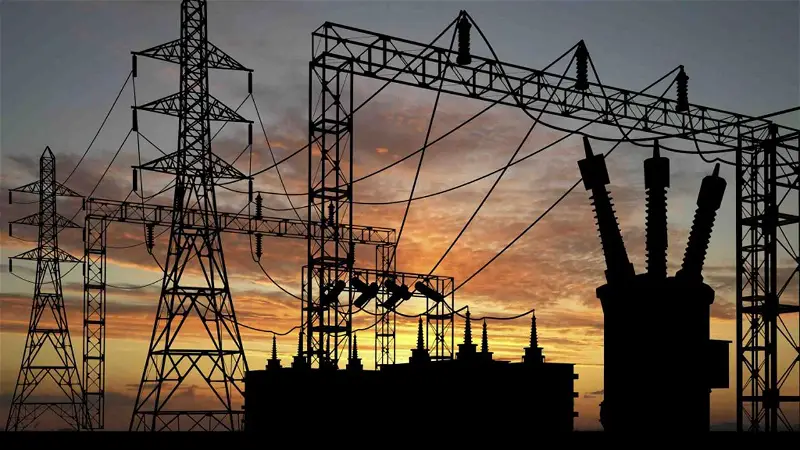
One of the most persistent and trending national issues in Nigeria today is the deepening crisis in the power sector. Despite decades of reforms, countless promises, and billions of naira invested, Nigeria still struggles to provide reliable electricity to its citizens. This chronic energy deficit continues to cripple industries, frustrate small businesses, and hinder overall economic growth. For many Nigerians, daily life without stable power has become the norm, symbolising the broader inefficiencies and systemic failures that plague the country.
Nigeria, Africa’s most populous nation, has an installed electricity generation capacity of over 12,000 megawatts. Yet, less than 5,000 megawatts are actually available for transmission and distribution on most days. This discrepancy between potential and actual output stems from a web of problems — aging infrastructure, poor maintenance, fuel supply shortages, and widespread corruption within the sector. Power plants often operate below capacity due to gas shortages, while transmission lines suffer frequent breakdowns that leave large parts of the country in darkness.
The unbundling and privatisation of the power sector in 2013 were meant to bring efficiency and attract private investment. Instead, the reform has delivered mixed results. While private distribution companies (DisCos) and generation companies (GenCos) took over from government ownership, they have struggled to deliver on expectations. Consumers continue to face erratic supply, inflated bills, and frequent blackouts. Meanwhile, the companies themselves complain of non-cost-reflective tariffs and mounting debts owed by both government agencies and consumers.
For businesses, the cost of self-generating electricity has become a major financial burden. Many companies now rely heavily on diesel generators to power operations, spending a large portion of their revenue on fuel. The rising price of diesel — especially after the removal of fuel subsidies — has further increased operational costs. This has forced several small and medium-sized enterprises to either scale down or shut down entirely, contributing to unemployment and slowing economic activity.
The lack of reliable electricity supply also has severe implications for education, healthcare, and domestic life. In hospitals, power outages can endanger patients’ lives when life-support machines suddenly stop working. In schools and universities, students struggle to study under poor lighting conditions. For millions of households, the absence of steady power means higher living costs, as families spend heavily on fuel or endure long hours without refrigeration, lighting, or internet connectivity.
Government after government has promised to “fix” the power sector, yet progress remains painfully slow. The current administration has announced renewed plans to reform the sector through investment in renewable energy, decentralised grids, and greater regulatory oversight. However, public trust is low, as similar promises have been made repeatedly in the past without tangible outcomes. Citizens often see the power issue as a reflection of broader governance failures — a case where potential is never fully realised due to poor planning, political interference, and lack of accountability.
Corruption and mismanagement have also played significant roles in deepening the power crisis. Funds earmarked for infrastructure development have often been diverted, misused, or left unaccounted for. The result is a system that bleeds both financially and operationally. Even when power projects are initiated, they are frequently abandoned halfway or completed without connecting to the national grid. Nigeria’s power deficit is therefore not just a technical problem — it is a symptom of deep-rooted institutional decay.
Meanwhile, the emergence of renewable energy alternatives such as solar power offers a ray of hope. Across rural areas and some urban centres, individuals and private firms are investing in solar systems to reduce dependence on the national grid. These decentralised solutions, though costly initially, are becoming increasingly popular among households and businesses seeking consistency and sustainability. If properly harnessed, renewable energy could play a transformative role in bridging Nigeria’s power gap and reducing carbon emissions.
The international community and development partners have also shown interest in supporting Nigeria’s energy transition. The World Bank, the African Development Bank, and other multilateral institutions have provided funding and technical assistance for power projects. However, experts insist that without strong local institutions, transparency, and clear regulatory policies, even the best international partnerships will struggle to deliver lasting change.
Ultimately, the power sector crisis in Nigeria is more than an infrastructure problem — it is an economic and social challenge that affects every facet of life. Reliable electricity is the foundation of modern development, driving industrialisation, education, and innovation. Until Nigeria addresses the structural inefficiencies, entrenched corruption, and poor governance that have long crippled the sector, meaningful progress will remain elusive. A nation as rich in natural and human resources as Nigeria cannot afford to remain in the dark — literally and figuratively — while its people yearn for light and opportunity.
Rukaiya Adamu Abdullahi Student of mass communication Kashim Ibrahim University, Maiduguri.






















You must be logged in to post a comment Login