Africa
Nigeria’s Shea Nut Export Ban: A Policy With Promise And Pitfalls -By Maryam Iliya Tarpaya
Ultimately, the success or failure of the raw shea nut export ban will depend on implementation. If Nigeria seizes the moment to build processing capacity, strengthen regulation, and empower rural producers, the policy could be a turning point for agro-industrialization. But if it becomes yet another poorly executed restriction, the losers will be the very communities it was meant to uplift.

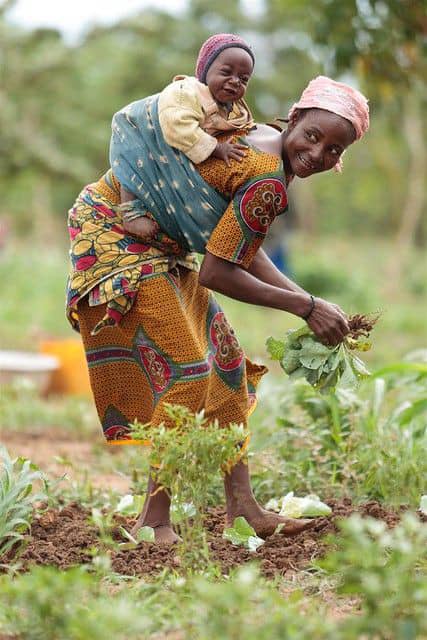
Nigeria recently announced a ban on the export of raw shea nuts, a commodity highly sought after in the global cosmetic and food industries. The policy is framed as a way to promote local value addition, create jobs, and diversify foreign exchange earnings. At first glance, this appears like a bold step in the right direction. However, as with many Nigerian policies, the devil lies in the details, and the implications deserve careful scrutiny.
The logic behind the ban is simple: instead of exporting raw shea nuts for processing abroad, Nigeria should process them locally into butter, oil, and related products. This way, the country can capture more of the value chain, encourage industrialization, and empower communities, especially women, who dominate the shea sector. Similar approaches in cocoa and palm oil have been proposed, and in principle, such value-addition policies can transform resource-based economies.
Yet, Nigeria’s manufacturing sector faces structural bottlenecks that could frustrate this vision. Power shortages, poor road infrastructure, high cost of finance, and insecurity already weigh heavily on agro-processing. Without addressing these constraints, banning raw exports could hurt farmers and traders who rely on foreign buyers. If processors within Nigeria lack the capacity to absorb the supply, farmers risk being stuck with unsold produce, leading to losses rather than empowerment.
Another concern is enforcement. Nigeria has a long history of policies that look good on paper but fail in practice due to smuggling and weak border controls. If raw shea nuts continue to find their way illegally across borders to Benin or Ghana, the policy will create distortions rather than development. Worse still, such underground trade could enrich middlemen and corrupt officials, undermining the very benefits the ban seeks to achieve.
That said, the shea sector does present unique opportunities. Northern Nigeria is home to abundant shea trees, and millions of women are already involved in collection and initial processing. If properly harnessed, the sector can become a model for inclusive economic growth, providing income for rural households while feeding into export-oriented industries. To unlock this potential, government must go beyond prohibitions and actively invest in infrastructure, training, and credit facilities for cooperatives.
Equally important is the need for public-private partnerships. Global cosmetic giants, local entrepreneurs, and development organizations have already shown interest in the shea value chain. By encouraging investment in processing plants, establishing quality standards, and linking Nigerian producers to international markets, the government can ensure that the sector thrives under the new policy regime. Without these partnerships, the ban risks becoming another isolated directive with limited impact.
Ultimately, the success or failure of the raw shea nut export ban will depend on implementation. If Nigeria seizes the moment to build processing capacity, strengthen regulation, and empower rural producers, the policy could be a turning point for agro-industrialization. But if it becomes yet another poorly executed restriction, the losers will be the very communities it was meant to uplift.
In conclusion, Nigeria’s ban on raw shea nut exports is a policy with promise but also with pitfalls. It reflects an ambition to move away from being a raw material exporter toward a value-added economy. To achieve this, however, the government must pair the ban with serious investment, accountability, and collaboration. Otherwise, it may end up as another well-intentioned idea that falters under the weight of Nigeria’s structural challenges.
Maryam Iliya Tarpaya is A 300 Level Student From Mass Communication Department University Of Maiduguri.