
Economy
Northern Nigeria’s Mounting Debt: A Silent Threat to Development -By Yasir Shehu Adam
For Northern states, especially Bauchi, this is not just an economic imperative—it is a moral duty. Leaders must understand that borrowing is not a substitute for good governance. The people deserve more than recurring debt announcements and ceremonial project commissions; they deserve lasting impact.
The road to sustainable development is paved not just with funds, but with vision, integrity, and accountability. Anything short of that is a disservice to the millions who continue to live without the most basic essentials of life.

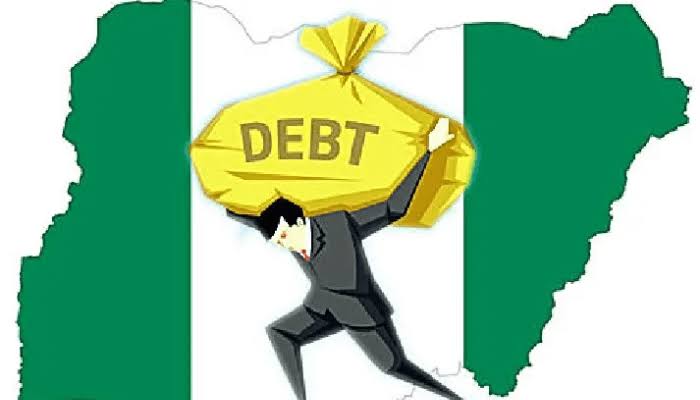
The recent revelation of Nigeria’s subnational debt profile has cast a troubling shadow over the economic stability of several Northern states. Among them, Bauchi, Kaduna, Kano, and Katsina rank highest in accumulated debt, raising urgent concerns over fiscal responsibility, transparency, and the future of sustainable development in the region.
As of December 2023, Bauchi State alone owes over N143.9 billion in domestic debt and $186.8 million in external debt, according to data from the Debt Management Office (DMO). These figures place Bauchi among the top five most indebted Northern states. However, despite this significant borrowing, visible infrastructure, improved social services, and measurable development outcomes remain elusive.
The Paradox of Borrowing Without Impact:
Debt, in itself, is not inherently problematic. Governments around the world leverage borrowing as a tool for economic expansion and long-term investment. However, the challenge arises when debts are incurred without a corresponding improvement in the welfare of citizens or clear accountability for how funds are used.
In Bauchi and other Northern states, this paradox is stark. Education, healthcare, road infrastructure, and water supply systems remain grossly underfunded or abandoned. Rural communities still lack access to basic amenities, while state budgets continue to prioritize debt servicing over service delivery.
A 2023 BudgIT report reveals that many Northern states are allocating a significant portion of their Internally Generated Revenue (IGR) to debt repayment. For instance, Bauchi spent approximately 70% of its IGR servicing debts in the last two years, leaving little room for meaningful capital investment or human development.
Leadership and Accountability Gaps:
While governors often cite “legacy projects” and economic development plans to justify borrowing, a lack of transparency and weak institutional oversight has raised red flags among policy analysts and civil society organizations.
In Kaduna, for example, successive administrations justified loans for infrastructural expansion, yet public schools and primary healthcare centers remain in distress. In Kano, the rising debt burden has coincided with increased cases of delayed pension payments and growing dissatisfaction among civil servants. Katsina faces similar challenges—borrowing has done little to stem the tide of poverty, unemployment, and insecurity.
In Bauchi, Governor Bala Mohammed’s administration has repeatedly emphasized infrastructure and agricultural transformation. However, several projects are either incomplete, poorly executed, or of questionable public relevance. Communities in districts like Itas-Gadau and Shira continue to suffer from poor roads and inadequate health facilities, calling into question the efficiency and equity of resource allocation.
The Need for Transparent Fiscal Management:
Northern Nigeria’s development challenge is not solely a matter of limited resources—it is primarily a problem of poor financial management and lack of political accountability. As debt levels soar, there must be a coordinated demand from civil society, the media, and concerned citizens for open financial books, project audits, and debt justification mechanisms.
Instituting a framework where debt is linked to measurable outcomes—such as reduced maternal mortality, improved school enrollment, and increased access to clean water—is critical to ensuring that future borrowing delivers tangible value.
Charting a Path Forward:
As Nigeria navigates a delicate economic recovery in the post-fuel subsidy era, state governments must embrace reforms centered on fiscal discipline, revenue diversification, and transparent governance.
For Northern states, especially Bauchi, this is not just an economic imperative—it is a moral duty. Leaders must understand that borrowing is not a substitute for good governance. The people deserve more than recurring debt announcements and ceremonial project commissions; they deserve lasting impact.
The road to sustainable development is paved not just with funds, but with vision, integrity, and accountability. Anything short of that is a disservice to the millions who continue to live without the most basic essentials of life.
Yasir Shehu Adam (Dan Liman), Young journalist and writer from Bauchi.



















You must be logged in to post a comment Login