Africa
Of Tinubu’s Wise Men and A Trillion Dollar Economy Dream -By Chiechefulam Ikebuiro
That said, the work is just beginning. The next two years will test this administration’s resolve to move from vision to tangible action. Success will depend not just on the “wise men”, but on the ability to lift millions of Nigerians into productive economic participation. The private sector has been called to the table. Now, all eyes will be on whether government policy continues to create the (fertile) ground needed for this partnership to truly bear fruit.

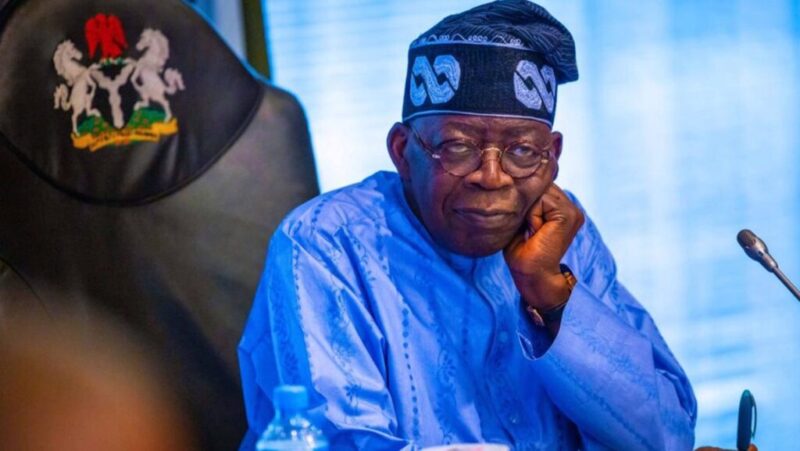
Sometime in November 2023, President Bola Ahmed Tinubu declared that with a focus on unlocking Nigeria’s full economic potential, his administration’s Renewed Hope Agenda could deliver a trillion-dollar economy within the next decade.
In my view, this was no empty political talk. Behind the bold talk is a strategy that is gradually taking shape as the President marks his second year in office.
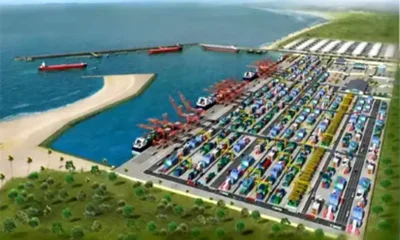
Speaking recently during the inauguration of the Lekki Deep Sea Port access road, the President publicly acknowledged four business titans -Jim Ovia, Femi Otedola, Abdul Samad Rabiu, and Aliko Dangote, whom he dubbed his Four Wise Men. Again, these are not casual mentions in my opinion, they represent a deliberate signaling of intent. If I may add, there is a fifth wise man-Tony Elumelu, whose work in entrepreneurship also aligns deeply with the President’s vision.
Together, these individuals embody key pillars of a practical economic strategy. One that could turn a trillion-dollar ambition into reality. By invoking the names of Nigeria’s most influential business leaders, the President is sending a message: the government alone cannot build a trillion-dollar economy. This economic transformation will require a partnership between the state and those who have both capital and a proven track record of building enterprises that transcend our borders.
Aliko Dangote is already reshaping Nigeria’s industrial landscape, with a new refinery destined to reduce reliance on imports and stabilize the naira. Abdul Samad Rabiu, through BUA Group, is expanding production in cement and agro-industrial sectors, two vital components for infrastructure and food security. Jim Ovia and Femi Otedola bring deep expertise in banking and energy; sectors critical for financial inclusion and powering industrial growth. Tony Elumelu, through Heirs Holdings and the Tony Elumelu Foundation, champions entrepreneurship – a force multiplier for Nigeria’s SMEs and start-ups. In fact it states in their website that the Chairman believes the private sector is the key enabler of economic and social wealth creation in Africa.
By aligning with such players, the government is building what could become an informal economic council, one capable of shaping large-scale investments while fostering small business ecosystems.
To be clear, these guys have been around. They have long been active participants in the Nigerian economy and have worked alongside previous administrations. However, there is something different about this moment. Their public willingness to engage so visibly suggests a new level of confidence. Why? I believe it is because they have observed key signals from this administration. The removal of the fuel subsidy, though painful, demonstrated political will and policy courage. Efforts to unify the exchange rate are gradually restoring credibility and attracting cautious interest from both foreign and domestic investors. The renewed focus on infrastructure suggests that the government is finally addressing some of the long-standing barriers to productivity. Someone had to bite the bullet, this President did.
These reforms are tough, but they are being noticed by those who deploy capital at scale. The visible support of leading business figures reflects a growing sense of confidence in the administration’s (macro)economic direction.
However, while billionaires can conjure large investments, the heart of a trillion-dollar economy lies in broad-based growth. Job creation must come from both large industries and an expanding SME sector. Access to capital for small businesses is essential. Here, banks like UBA (Tony Elumelu’s group), Zenith (Jim Ovia’s legacy), First bank (where Otedola holds a significant stake) and others can play pivotal roles in democratizing credit. Simultaneously, digital transformation, financial inclusion, and agricultural modernization must be scaled to empower millions of Nigerians and drive productivity across the economy
For this vision to succeed, it must translate into tangible improvements in the lives of ordinary Nigerians, through jobs, higher incomes, and a better quality of life.
President Tinubu’s recent remarks provide perhaps the clearest insight yet into the contours of his economic playbook. In addition to pursuing difficult but necessary reforms, fostering a collaborative relationship with Nigeria’s leading business minds is a sound strategy. However, for this approach to bear lasting fruit, it must be accompanied by efforts to build and strengthen institutions that inspire investor confidence and uphold the rule of law. If implemented consistently, this playbook could indeed lay the foundation for a trillion-dollar economy -perhaps even sooner than a decade.
That said, the work is just beginning. The next two years will test this administration’s resolve to move from vision to tangible action. Success will depend not just on the “wise men”, but on the ability to lift millions of Nigerians into productive economic participation. The private sector has been called to the table. Now, all eyes will be on whether government policy continues to create the (fertile) ground needed for this partnership to truly bear fruit.
Chiechefulam Ikebuiro
Chiechefulamikebuiro@gmail.com