
Health and Lifestyle
Orf Disease: The Overlooked Zoonotic Threat in Rural Communities -By Dr. Umoru Moris
Orf disease serves as a reminder that protecting animal health is also an investment in public health. In communities where people and livestock live and work closely together, disease prevention remains a shared responsibility and a crucial component of sustainable development.


In many rural communities, livestock are more than animals. They provide food, income, and economic stability for countless families. Yet the close relationship between humans and animals also creates opportunities for diseases to spread across species, threatening both livelihoods and public health.
One such disease is Orf, a contagious viral infection that affects sheep and goats and can also be transmitted to humans. Although it receives far less attention than many other zoonotic diseases, Orf remains a significant concern in livestock-producing communities where daily contact with animals is common.
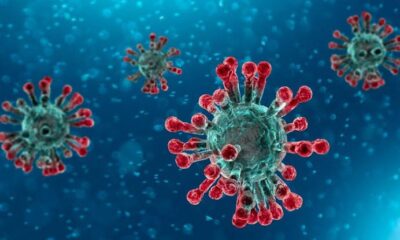
Also known as contagious ecthyma or sore mouth, Orf is caused by a virus belonging to the Poxviridae family. The disease primarily affects sheep and goats, causing painful skin lesions around the mouth, nostrils, eyelids, feet, and teats. Young animals are particularly vulnerable, often experiencing difficulty feeding and poor growth as a result of the infection.
One of the challenges associated with Orf is the virus’s ability to survive in the environment for extended periods. It can remain infectious in dried scabs and contaminated materials long after infected animals appear to have recovered. This allows the disease to persist within farms and spread rapidly when proper hygiene and biosecurity measures are lacking.
Transmission occurs mainly through direct contact with infected animals or contaminated objects such as feeding equipment, fences, housing structures, and farm tools. The virus enters the body through cuts, wounds, or damaged skin, making outbreaks more likely in environments where animals experience overcrowding, stress, or poor sanitation.
While the disease is often self-limiting, its impact on livestock production can be substantial. Infected animals may suffer weight loss, reduced productivity, and increased susceptibility to secondary infections. For farmers who depend heavily on sheep and goat production, recurring outbreaks can result in significant economic losses.
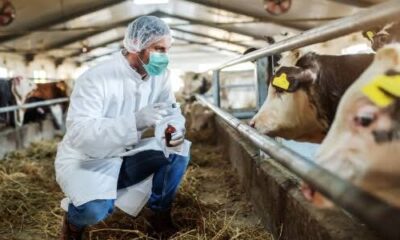
Beyond animal health, Orf also poses an important public health risk. Humans can become infected through direct contact with infected animals, particularly when handling them without protective gloves or when exposed skin comes into contact with infectious material. Farmers, veterinarians, butchers, abattoir workers, and animal handlers are among those most at risk.
In humans, the disease usually appears as painful skin lesions on the hands, fingers, or forearms. Although infections often resolve without treatment, complications may occur, especially among individuals with weakened immune systems.
The continued occurrence of Orf highlights the importance of the One Health approach, which recognizes that human health, animal health, and environmental health are closely connected. Protecting livestock from disease is not only essential for agricultural productivity but also for safeguarding the wellbeing of the communities that depend on them.
Prevention remains the most effective strategy. Maintaining good farm hygiene, isolating infected animals, disinfecting contaminated equipment, and using protective clothing when handling livestock can significantly reduce transmission. Public awareness and veterinary extension services also play a critical role in helping farmers identify and manage outbreaks before they spread.
Although Orf may not attract the same attention as major epidemic diseases, its impact on animal production, occupational health, and rural livelihoods should not be underestimated. Strengthening disease surveillance, improving community awareness, and promoting responsible livestock management remain essential steps toward reducing its burden.
Ultimately, Orf disease serves as a reminder that protecting animal health is also an investment in public health. In communities where people and livestock live and work closely together, disease prevention remains a shared responsibility and a crucial component of sustainable development.
DR UMORU MORIS
(DVM; UNIMAID)
























You must be logged in to post a comment Login