Africa
Petrol Price Slash By Dangote Refinery: Wetin Be N20 Wey Nor Fit Buy Chewing Gum?, by Isaac Asabor

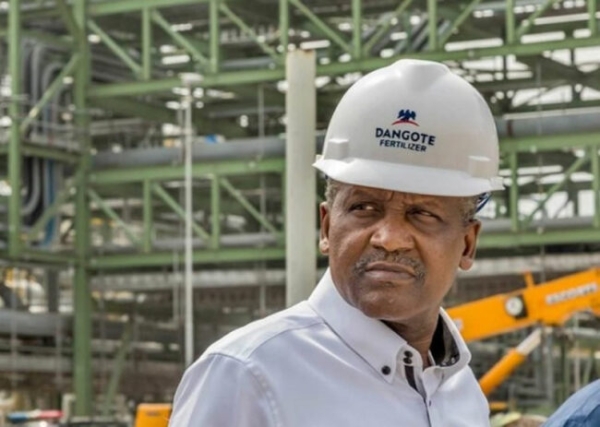
The announcement of a N20 reduction in the ex-depot price of petrol by Dangote Refinery, from N990 to N970 per litre, has sparked widespread reactions across Nigeria. While some applaud the gesture as a step towards addressing the nation’s high fuel costs, others see it as negligible, given the current economic realities. This divide was evident in a conversation overheard between two drivers washing their company vehicles in Ogba, Ikeja. One driver dismissed the price cut with disdain, remarking, “Wetin be N20 wey nor fit buy chewing gum?” This sentiment encapsulates the skepticism many Nigerians feel about the purported relief.
The Dangote Refinery’s statement, signed by its Group Chief Branding and Communication Officer, Anthony Chiejina, framed the price reduction as an end-of-year gesture of appreciation to Nigerians and a nod to the government’s support. The company emphasized its commitment to ensuring the availability of quality, environmentally friendly fuel while ramping up production to meet domestic demand.
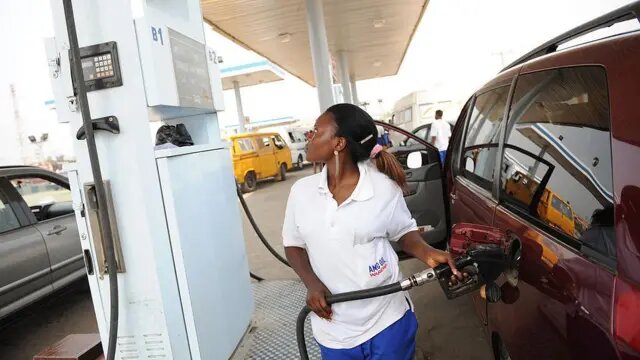
Despite the goodwill attached to this reduction, the economic landscape makes it difficult for the average Nigerian to celebrate. Current pump prices range between N1,025 and N1,090 per litre across different marketers. For a country grappling with economic hardship, inflation, and a rising cost of living, the N20 reduction appears more symbolic than substantial.
To understand the frustration of Nigerians, one must delve into the economic context of inflation and diminished purchasing Power. This is as Nigeria’s inflation rate has skyrocketed, eroding the purchasing power of its citizens. Items that were affordable a year ago now cost multiples of their previous prices. Chewing gum, used metaphorically by the driver, indeed costs more than N20 in most urban areas today.
In a similar vein, looking at the issue from the perspective of high cost of transportation, there is no denying the fact that the fuel prices directly impact transportation costs, which in turn affect the prices of goods and services. With fuel already selling at over N1, 000 per litre, a N20 reduction is unlikely to significantly lower transport fares or bring relief to consumers.
Again, from the prism of household budget constraints, it is pragmatic that for an average household that consumes 50 litres of petrol per month, the N20 reduction translates to a savings of just N1,000 monthly. This amount barely covers the cost of basic groceries or utilities in today’s Nigeria.
Against the foregoing backdrop, it is expedient to opine that Dangote Refinery, though, operates as a private enterprise, must strike a balance between profitability and public goodwill. Critics argue that the refinery’s prices remain uncompetitive compared to other suppliers, as evidenced by previous complaints from the Independent Petroleum Marketers Association of Nigeria (IPMAN). Dangote’s reported stockpile of 500 million litres of petrol suggests capacity, but pricing remains a contentious issue.
The refinery’s effort to work directly with stakeholders like PETROAN and IPMAN signals a willingness to address these concerns. However, the logistics of fuel distribution and the associated costs could continue to hinder a significant reduction in pump prices.
In fact, the public’s lukewarm reception to the price cut underscores a broader disillusionment with Nigeria’s economic management. Citizens feel that the government and major players in the oil sector, like Dangote Refinery, must do more to alleviate their plight.
While symbolic gestures like price reductions may garner media attention, they fail to address the structural issues plaguing Nigeria’s energy sector. Nigerians need substantial reforms that translate to real savings and improved living standards.
In a similar vein, the public remains skeptical of promises to lower pump prices. Past assurances by government officials and private entities have often fallen short, leaving Nigerians to bear the brunt of rising costs.
At this juncture, it is expedient to ask, “Which way forward?” To answer the foregoing salient question, it is germane to opine that the skepticism surrounding the N20 reduction calls for a more robust approach to tackling fuel affordability in Nigeria. Some key recommendations cut across comprehensive subsidy reform, enhancing refining capacity, strengthening competition, and addressing distribution inefficiencies.
In fact, the removal of subsidies earlier this year has left Nigerians struggling with higher fuel costs. While subsidy removal is a necessary reform, its implementation should be accompanied by targeted palliatives to cushion the impact on vulnerable populations.
Given the foregoing, there is an urgent need to enhance refining capacity in Nigeria. In fact, beyond Dangote Refinery, Nigeria must invest in reviving its moribund refineries to reduce reliance on imports and bring down production costs.
Again, there is also the expediency and exigency of strengthening competition. This is as encouraging more players in the oil refining sector could lead to competitive pricing and better deals for consumers.
Not only that, there is equally an urgent need to address distribution inefficiencies. The reason for the foregoing cannot be farfetched as streamlining the logistics of fuel distribution can lower costs and ensure that price reductions at the ex-depot level reflect at the pumps.
In fact, the N20 reduction in petrol prices by Dangote Refinery, while commendable in principle, has been met with skepticism due to its minimal impact on the daily lives of Nigerians. As aptly captured by the disillusioned driver in Ikeja, “Wetin be N20 wey nor fit buy chewing gum?”, the statement highlights the growing frustration of a populace yearning for meaningful economic relief.
For the reduction to resonate positively with Nigerians, it must be part of a larger, sustained effort to address the root causes of high fuel prices and their ripple effects on the economy. Only then can gestures like these move from symbolic to impactful, bringing genuine relief to millions of Nigerians struggling to make ends meet.