
Africa
The Blood on Our Hands: Nigeria’s Silent War Against Its Own People -By Abdulazeez Toheeb Olawale
What we have now is a nation drowning in its own contradictions. A country where young graduates are kidnapped on their way home, where farmers cannot reach their farms, where children cannot go to school without fear, and where families receive ransom payment requests the way people receive bank alerts.

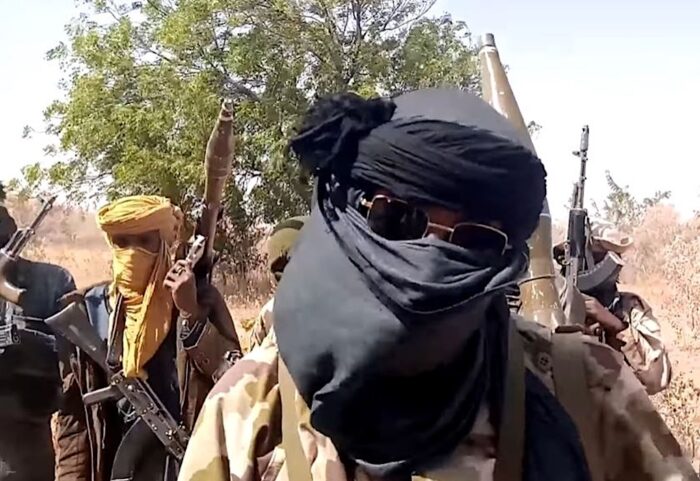
Nigeria is bleeding—openly, loudly, and without shame. Yet somehow, we act like we do not see the blood staining our streets, our farms, our schools, our places of worship, and our conscience. What is happening across this country is not just insecurity; it is a silent war. And the most painful part? It is a war Nigeria is waging against its own people through negligence, hypocrisy, tribal sentiment, and a complete absence of accountability.
Every day, citizens are kidnapped, murdered, displaced, or traumatized. From Kaduna to Zamfara, Plateau to Benue, Niger to Borno and Kwara, the stories repeat themselves like a national tragedy on loop—each one more heartbreaking than the last. We have reached a point where Nigerians no longer react with shock but with resignation, because the killings have become “normal.” The question is: When did we lose our humanity?
We cannot pretend anymore. This blood is on all our hands.
The blood is on the hands of leaders who make speeches but refuse to make sacrifices. Leaders who prioritize politics over protection. Leaders who watch citizens die but show more urgency during elections than during massacres.
The blood is on the hands of security agencies, not because they are all incompetent, but because some have allowed corruption to weaken their purpose. Guns meant to protect citizens end up protecting the powerful. Intelligence meant to prevent attacks dies in files or on dusty tables.
The blood is on the hands of the elite—those who live behind high fences and bulletproof doors yet pretend insecurity does not concern them. They forget that when the streets boil, no gate is tall enough, and no car is expensive enough to protect anyone.
The blood is on the hands of tribal champions who justify violence when it is “their people” committing it but scream for justice when the blood spilled belongs to someone they recognize. Nigeria will never heal if every tragedy is first filtered through the lens of tribe, religion, or politics.
The blood is on the hands of ordinary citizens too—those who spread propaganda, defend killers for ethnic reasons, look away from injustice, normalize violence, or refuse to hold anyone accountable. Silence is not neutrality. Silence is cooperation.
What we have now is a nation drowning in its own contradictions. A country where young graduates are kidnapped on their way home, where farmers cannot reach their farms, where children cannot go to school without fear, and where families receive ransom payment requests the way people receive bank alerts.
This is not normal. This is a slow-motion collapse.
But here is the truth we avoid: Nigeria will not change until Nigerians change.
Security is not magic—it is the result of leadership, justice, accountability, and a collective decision to value human life.
We must start asking uncomfortable questions:
Why are the killers never found?
Why are the masterminds never named?
Why do investigations die after one week?
Why do government officials always appear “shocked” but never prepared?
Why does every tragedy provoke sympathy but never reform?
If we truly want peace, then we must first admit that we have failed one another.
We must demand more from leaders, not with insults, but with insistence.
We must reject tribal excuses for violence.
We must defend justice even when it does not favor “our people.”
We must stop acting as if lives lost in another region are less important than lives lost in our own.
Nigeria is not dying because of guns alone.
Nigeria is dying because too many people benefit from the rot, and too many others have accepted the rot as normal.
Until we collectively decide that every Nigerian life matters, the silent war will continue—and so will the bloodshed.
The question is simple but heavy:
How much more blood must be spilled before we finally wake up?
Abdulazeez Toheeb Olawale is a young journalist and social commentator who writes on national issues, governance, and public policy in Nigeria.
















You must be logged in to post a comment Login