
Africa
The Devastating Impact of Poverty on Nigerian Women and Children -By Sadiya Abubakar Tarfa
Investing in Nigerian women and children is not an act of charity; it is an investment in national progress. Until poverty is confronted with seriousness and compassion, Nigeria will continue to struggle with inequality and instability. The future of the nation depends on how it treats its most vulnerable today.

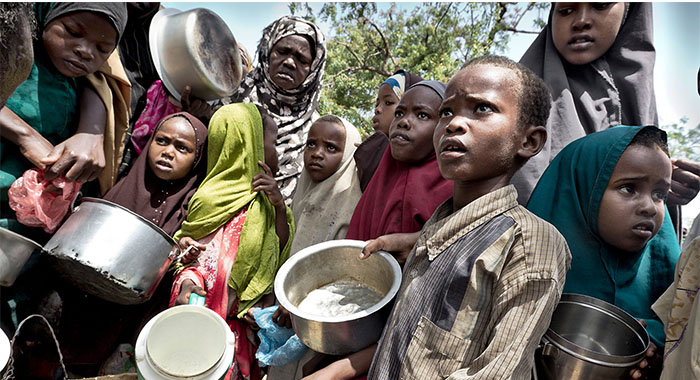
Poverty remains one of Nigeria’s most persistent challenges, but its burden does not fall evenly on all citizens. Women and children bear the heaviest weight, facing daily struggles that affect their health, education, dignity, and future. In a country where over 60 per cent of the population lives below the poverty line, the consequences of poverty are not just economic—they are deeply human and generational.
For many Nigerian women, poverty is both a cause and a consequence of exclusion. Limited access to quality education, skills training, and decent employment opportunities traps millions of women in a cycle of dependence. In rural and urban poor communities alike, women often rely on informal and low-paying activities such as petty trading, domestic work, or subsistence farming. While these efforts help families survive, they rarely provide enough income to break free from poverty.
Economic hardship also exposes women to exploitation and abuse. Financial dependence reduces their ability to make decisions, leave unsafe environments, or invest in their personal development. When women lack economic power, their voices are weakened—both in the home and in society. This inequality is not only unjust; it has serious consequences for national development.
The health implications of poverty on Nigerian women are equally alarming. Limited access to healthcare, especially in rural areas, continues to endanger women’s lives. Maternal mortality remains one of Nigeria’s darkest statistics. According to the 2018 Nigeria Demographic and Health Survey, 562 women die per 100,000 live births. These deaths are often preventable, caused by poor medical facilities, lack of skilled birth attendants, and unaffordable healthcare costs. Poverty, in this sense, becomes a death sentence for many women.
Children born into poverty face a harsh reality from the very beginning of life. Malnutrition is widespread, affecting physical growth and brain development. The Global Hunger Index consistently ranks Nigeria among countries with serious hunger challenges. A malnourished child is less likely to perform well in school, more likely to fall ill, and less prepared to contribute meaningfully to society in the future.
Education, which should be a pathway out of poverty, remains out of reach for millions of Nigerian children. UNICEF estimates that over 10 million children are out of school, many of them from poor households. For families struggling to survive, education becomes a luxury rather than a right. Girls are especially affected, as they are often withdrawn from school to help with household chores or forced into early marriage.
Child labour is another painful outcome of poverty. Millions of Nigerian children are engaged in street hawking, farm labour, domestic work, and other hazardous activities. The National Bureau of Statistics estimates that over 15 million children are involved in child labour. These children are denied their childhood and exposed to violence, abuse, and exploitation—all in the name of survival.
The long-term effects of this reality are devastating. A society that neglects its women and children undermines its own future. Poverty fuels inequality, insecurity, and underdevelopment. When women are disempowered and children are denied education and protection, economic growth becomes unsustainable.
Addressing poverty among women and children must therefore be a national priority, not a side issue. The government must go beyond policy statements to practical action. Economic empowerment programmes targeted at women—such as access to credit, vocational training, and decent jobs—can transform families and communities. Educated and economically empowered women are more likely to invest in their children’s health and education.
Improving access to affordable healthcare and quality education is equally critical. Strengthening public schools, expanding primary healthcare centres, and supporting maternal and child health services will save lives and secure the future. Social safety nets, including cash transfers and food assistance, can provide immediate relief to the most vulnerable households while long-term solutions take shape.
Investing in Nigerian women and children is not an act of charity; it is an investment in national progress. Until poverty is confronted with seriousness and compassion, Nigeria will continue to struggle with inequality and instability. The future of the nation depends on how it treats its most vulnerable today.























You must be logged in to post a comment Login