
Africa
The Mokwa Tragedy -By Zayd Ibn Isah
Mokwa is a painful reminder of what happens when planning is ignored and nature is provoked. Urban planning in Nigeria is in crisis, not merely because government agencies fail to enforce regulations, but because we, the people, treat these rules with contempt. We bribe our way through approvals, circumvent safety protocols, and then feign surprise when disaster strikes. But floods don’t negotiate. They also certainly don’t recognise tribe, religion, or political affiliation. They simply follow the laws of nature. And if we insist on living in their path, the consequences, however tragic, are entirely avoidable.

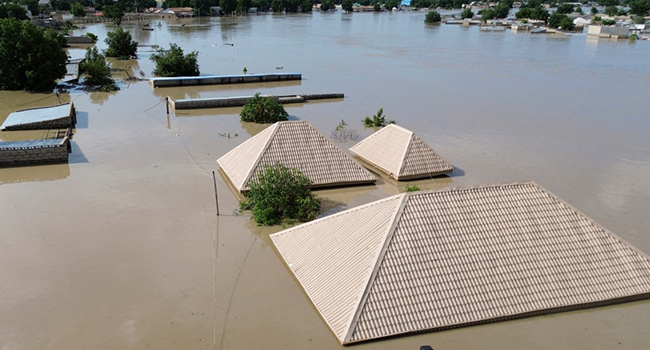
There are calamities so devastating that in their aftermath, they ought to bring a nation to a halt, inspiring somber moments that should pierce through the noise of our politics, our tribal squabbles, and our digital distractions. These are the sort of tragedies that should unite people in a collective sense of grief, shock and loss. The recent flood in Mokwa, Niger State, where raging waters swept away hundreds of men, women, and children, is one of such tragedy.
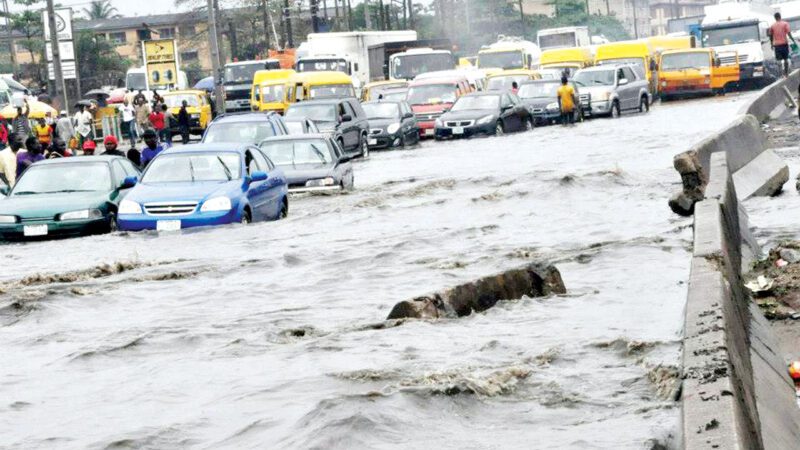
Unfortunately, this is the second major disaster to hit Niger State this year. Earlier, a fuel-laden tanker overturned, and instead of fleeing from the highly flammable spill, nearby residents rushed to have a fair share of the liquid black gold. The inevitable explosion that followed is estimated to have killed nearly a hundred people. Just as the nation was still reeling from that terrible tragedy, Mokwa was plunged into even greater sorrow. According to recent statistics reported by Daily Trust, over 200 lives have been lost in the recent flood, and around 500 people remain missing. Beyond lives lost, this particular flooding has displaced thousands, destroyed properties and placed many in severe financial ruin.
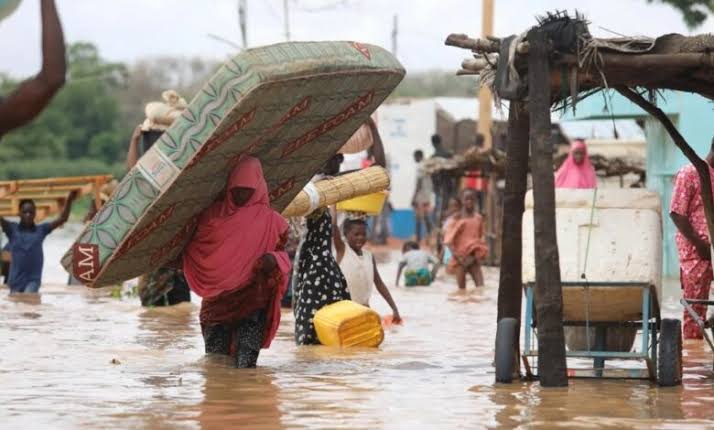
Sadly, disasters like this are not new to us. From the Ogunpa flood in Ibadan in 1980 that claimed more than 200 lives, to the catastrophic floods of 2012 that affected 30 of Nigeria’s 36 states and displaced over two million people, to the recent floods in Borno, where waters from the Dam left destruction in their wake, a clearly predictable pattern seems to constantly emerge, especially when the rainy season comes. Nigeria has become painfully familiar with the sight of submerged communities, displaced families, and dreams washed away. What makes these disasters particularly heartbreaking is not just their frequency, but how preventable they often are.
Yes, climate change is real. Rainfall patterns are shifting, and rivers are swelling beyond their historical bounds. But we must also confront an uncomfortable truth: we are not entirely innocent victims of nature’s fury.
Across Nigeria, it is disturbingly common to see houses, shops, and even schools built on floodplains and natural waterways. Rivers are choked by illegal settlements, often constructed without proper approval or in blatant disregard of environmental laws. Yet, when government agencies move to demolish these structures, we cry foul. We accuse them of ethnic bias, political witch-hunts, or insensitivity. We shout “persecution,” when the real culprit is our collective refusal to listen to reason.
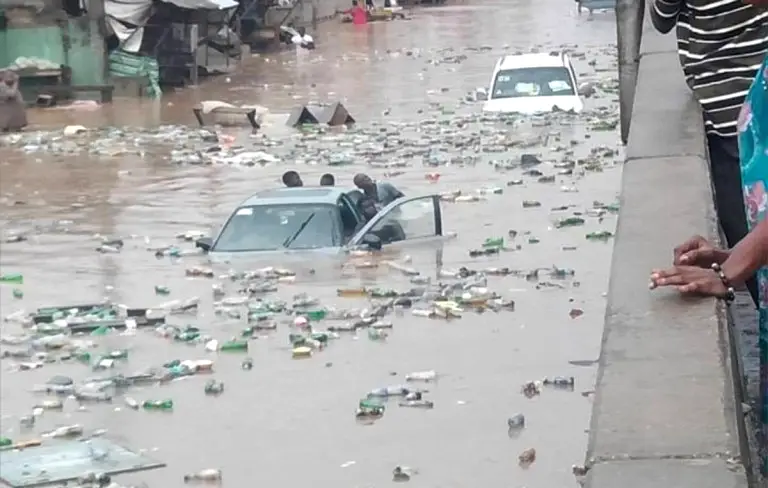
Mokwa is a painful reminder of what happens when planning is ignored and nature is provoked. Urban planning in Nigeria is in crisis, not merely because government agencies fail to enforce regulations, but because we, the people, treat these rules with contempt. We bribe our way through approvals, circumvent safety protocols, and then feign surprise when disaster strikes. But floods don’t negotiate. They also certainly don’t recognise tribe, religion, or political affiliation. They simply follow the laws of nature. And if we insist on living in their path, the consequences, however tragic, are entirely avoidable.
We must recognise that lives are at stake, and that for survivors, the process of trying to rebuild or relocate while dealing with grief and loss, is often a difficult experience. This is why we must begin to change the way we talk about demolition and enforcement. The government is not your enemy when it clears structures built on waterways. On the contrary, such actions, when carried out transparently and justly, are lifesaving. We must stop romanticising illegal construction as a symbol of resilience. More often than not, it is a death sentence in disguise.
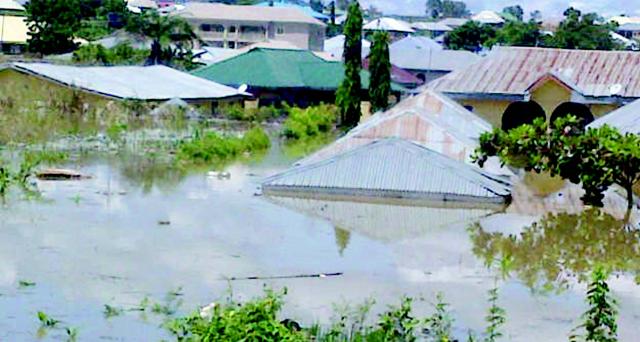
That said, this is not the time to trade blame. It is the time to chart a new course. Flooding is not just a Nigerian problem. It is a global emergency. In recent months, Germany and Belgium were overwhelmed by deadly flash floods that claimed hundreds of lives. Brazil witnessed entire communities buried under mudslides triggered by torrential rains. In Bangladesh and India, millions were displaced after rivers burst their banks. Even the United States, despite its infrastructure, has seen cities like Houston and New York struggle to cope with overwhelming rainfall.
In many of these countries, governments responded decisively; issuing timely evacuation orders, mobilizing rescue operations, and, crucially, relocating people from high-risk zones. In Japan and the Philippines, public education on disaster preparedness is rigorous and widely embraced. In the Netherlands, the government has invested heavily in flood defenses like levees, water plazas, and adaptive urban design.
But here in Nigeria, even when relevant government agencies issue warnings, or evacuation is proposed, people resist. Sometimes it’s the deep emotional bond we have with our ancestral land. Other times, it’s the justified fear that relocation means abandonment, that once we leave, no one will remember us. And often, it’s simply that we have nowhere else to go.
Yet we must acknowledge a timeless truth: prevention is better than cure. A stitch in time saves nine. As such, we need long-term solutions: proper drainage systems, enforced building codes, updated flood risk maps, and continuous public education on environmental responsibility. But beyond all that, we need a cultural shift, a collective understanding that human life is more valuable than temporary shelter, and that following the law is not a punishment, but a protection.
The tragedy in Mokwa must not become just another headline. It must be a turning point. We should not just fall back on “thoughts and prayers”, lamentations, and vague promises to offer relief to victims. Rather, this should spur us all to insist on strict environmental and infrastructural maintenance, as well as effective measures for disaster preparedness, particularly when imminent disasters are as a result of climate change. We need to plan the development of our cities better, especially when it comes to constructing and maintaining proper drainage channels, managing waste disposal and ensuring that waterways are not impeded by illegal structures. We also need to be united in ensuring this becomes a national moment of reckoning, especially one where we begin to rethink how we live with our environment, and with one another.
Because if we continue to build on water, water will continue to subject us to the terrifying laws of nature.
Zayd Ibn Isah can be reached at lawcadet1@gmail.com





















You must be logged in to post a comment Login