National Issues
The Urgent Need for Curriculum Reform in Nigeria’s Education System -By Muhammad Umar Shehu
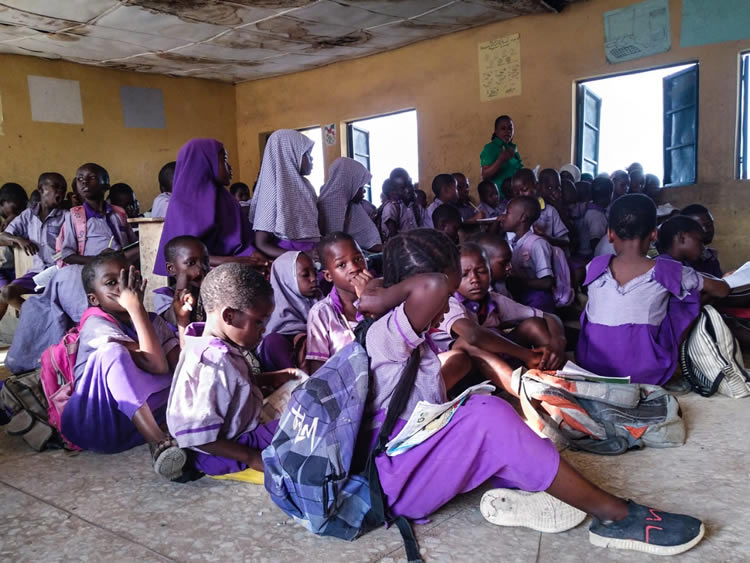
Infrastructure problems further complicate the situation. Across many parts of the country, schools operate with overcrowded classrooms, outdated laboratories, and limited learning materials. Teachers often do their best under difficult circumstances, but without adequate support their efforts cannot produce the level of transformation the country needs. When the learning environment itself is weak, even the most dedicated educators struggle to deliver quality outcomes.

Education has long been seen as the backbone of national progress. Any country that hopes to compete in the modern world must invest in an education system that prepares its young people with relevant knowledge and practical skills. Yet the situation in Nigeria today shows a worrying gap between what students learn in school and what the realities of the 21st century require.
For many years, the country’s curriculum has remained largely theoretical and disconnected from real life. Students spend long hours memorizing information for examinations, but many of them graduate without the ability to apply what they have learned to real problems. Certificates are awarded, but practical competence often remains weak. This situation raises serious questions about the direction of the education system.
One major issue is the outdated nature of many academic programs. While the global economy is rapidly shifting toward technology, innovation, and knowledge-based industries, a large portion of Nigeria’s curriculum still reflects ideas and priorities from decades ago. Digital literacy, modern research methods, and emerging technologies are not sufficiently integrated into many learning programs. As a result, Nigerian graduates often find themselves struggling to compete in an increasingly digital world.
Another concern is the weak connection between education and the labour market. Universities and other higher institutions frequently design courses without strong collaboration with industries that will eventually employ their graduates. Employers complain about a lack of practical skills, while graduates face rising unemployment despite years of schooling. This mismatch highlights the urgent need to align academic learning with real economic needs.
Infrastructure problems further complicate the situation. Across many parts of the country, schools operate with overcrowded classrooms, outdated laboratories, and limited learning materials. Teachers often do their best under difficult circumstances, but without adequate support their efforts cannot produce the level of transformation the country needs. When the learning environment itself is weak, even the most dedicated educators struggle to deliver quality outcomes.
Reforming the curriculum is therefore not simply an academic debate. It is a national necessity. Education must move beyond rote memorization and focus more on critical thinking, creativity, and problem solving. Students should be encouraged to explore ideas, question assumptions, and develop solutions to real challenges within their communities.
Technical and vocational education must also receive greater attention. For too long, society has treated vocational training as a lesser option compared to traditional academic degrees. Yet many developed economies thrive because they place strong value on technical skills and practical training. If Nigeria hopes to reduce unemployment and stimulate economic growth, it must elevate the status of vocational education.
Entrepreneurship education is another area that deserves serious attention. Rather than preparing students only to search for jobs, schools should equip them with the knowledge and confidence to create opportunities of their own. Basic business education, financial literacy, and innovation training can help young people develop the mindset needed to build sustainable ventures.
Teachers must also be central to any reform effort. No education system can rise above the quality of its teachers. Continuous training, improved working conditions, and access to modern teaching resources will empower educators to guide students more effectively. When teachers are supported, the entire learning process improves.
Ultimately, meaningful reform requires collaboration. Policymakers, educators, researchers, industry leaders, and communities must work together to rethink the priorities of the education system. A curriculum designed with broad consultation will be better equipped to respond to national development goals and global realities.
Nigeria has one of the largest youth populations in the world. This demographic strength could become a powerful driver of development if the right investments are made in education. However, if the system continues to produce graduates who are not adequately prepared for the future, the country risks missing a critical opportunity.
Reforming the curriculum will not solve every challenge overnight, but it represents an important step toward building a more dynamic and productive society. Preparing young Nigerians for the demands of the modern world is not just an educational responsibility. It is a national imperative.
Muhammad Umar Shehu
Wrote from Gombe and can be reached via umarmuhammadshehu2@gmail.com