Africa
When Likes Trump Ethics: How Content Creators Are Replacing Real Journalists in Northern Nigeria -By Shamsuddeen Suleiman Malami
At the same time, the government and media regulatory bodies must crack down on the misuse of journalism titles by unqualified individuals. Just as fake doctors are prosecuted, fake journalists should be identified and removed from sensitive roles. Content creators can be allies but they must be encouraged to understand and practice journalism with a sense of duty, not just popularity. The media is not for entertainment alone it is a pillar of democracy.

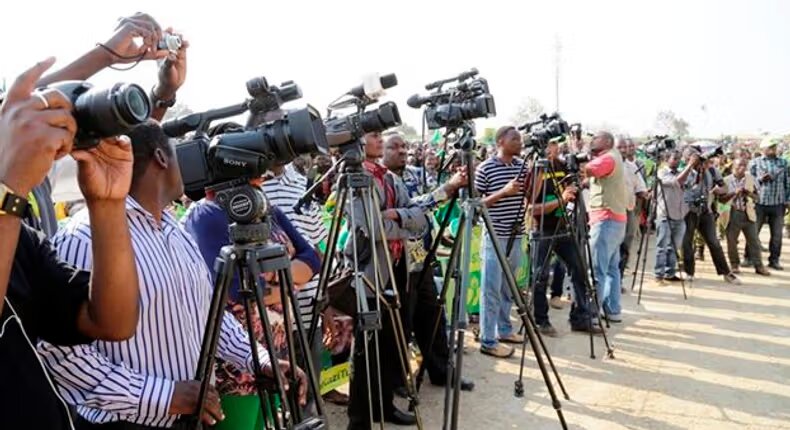
In the ever-evolving world of media, the line between professional journalism and citizen generated content has become increasingly blurred. The emergence of content creators individuals who report, comment, or entertain using social media platforms has redefined how people access and consume news. What was once a strictly institutionalized profession, rooted in education, ethics, and regulation, is now being challenged by ordinary individuals with smartphones and internet access.
While this transformation opens up the democratic space of information sharing, it has also exposed deep weaknesses within the conventional media particularly in northern Nigeria, where journalism is losing its credibility, structure, and influence.
As students of Mass Communication, we were taught to anticipate a time when technology would decentralize the power of the press. That time is now. With the rise of smartphones, social media, and on-demand content, anyone can become a reporter. And in many cases, these individuals despite having no formal training are now more relevant, trusted, and followed than professional journalists.
Platforms like Facebook, TikTok, Instagram, YouTube, and X (formerly Twitter) have given ordinary citizens a megaphone to share stories that resonate with millions. The speed, accessibility, and relatability of content creators have made them more appealing to a growing population that is tired of the slow, often censored, and sometimes compromised nature of traditional media. Unlike newspapers, radio, or TV, content creators can react in real-time, break stories quickly, and avoid the bureaucratic red tape that often delays institutional newsrooms.
But while this digital revolution is empowering, it also raises difficult questions about the future of journalism: If content creators can dominate public discourse without formal training, what then is the role of trained journalists? And more importantly, why are our established media platforms—especially in places like Kano—struggling to maintain relevance?
The biggest challenge facing the traditional media, especially in northern Nigeria, is the influx of unqualified personnel into professional newsrooms. In Kano, which boasts the highest number of radio and TV stations in the northern state, an estimated 60–70% of broadcasting staff have no background in Mass Communication or Journalism. Many of them come from unrelated academic disciplines such as Sociology, Political Science, Chemistry, or even secondary school with little or no exposure to media ethics, communication theory, media law, or newsroom structure. In some cases, O-Level graduates are employed as presenters or reporters even before gaining admission into tertiary institutions.
This trend is both dangerous and disheartening. It reduces journalism to a casual act of reading news, conducting radio discussions, or quoting Hausa proverbs. In fact, in places like Kano, fluent reading in Hausa and the use of poetic proverbs are mistakenly seen as the highest form of journalistic skill. Some are even rewarded with awards and promotions simply because they sound good on air regardless of whether they understand the ethics of objectivity, balance, accuracy, or the law. This misplaced priority is killing journalism. It disrespects the years of training required to practice responsible journalism, and it encourages the belief that anyone with a good voice or strong opinions can be called a journalist. Sadly, this has led to shallow reporting, sensationalism, poor news balancing, and complete disregard for professional standards.
One of the most alarming consequences of this decline is the vulnerability of these untrained journalists. Many of them do not understand the laws that protect journalists, the legal processes for defending themselves, or the ethical boundaries that define their work. As a result, they are often harassed, beaten, or even arrested in the line of duty and they can do little about it. True journalism is not just about reporting; it is about defending truth in a hostile environment. It is about asking uncomfortable questions, challenging power, and standing with the people often at great personal risk. Without the proper knowledge and support, these journalists become easy targets for intimidation and abuse. Their ignorance of their rights further weakens the profession as a whole.
Journalism, like medicine or aviation, is not just a job it is a responsibility. Just as we would not allow untrained people to fly planes or perform surgery, we should not allow untrained individuals to control public information. Journalism serves the masses. It protects democracy. It must be practiced by those who understand its weight.
Interestingly, the same public that has lost faith in traditional journalism is now celebrating content creators. Despite having little to no formal training, content creators are now more protected, praised, and popular than radio or TV journalists. If a content creator is harassed today, there is often a huge outcry on social media. But if the same happens to a local journalist, it rarely makes the news. Why? Because content creators have a direct relationship with their followers. They speak the language of the people. They chase stories that spark emotional reactions. And most of all, they do not follow the rigid rules of conventional media.
For them, journalism is not about public interest it is about views, likes, reach, and personal brand building. They don’t necessarily fact-check, balance stories, or adhere to ethical guidelines. But they are fast, emotional, and bold. In many ways, they represent what people wish journalism still was: fearless, accessible, and truthful. And that, ironically, makes them more powerful.
But power without responsibility is dangerous. When content creation replaces journalism entirely, the society loses a structured system of accountability. Misinformation spreads faster. Hate speech becomes normalized. And public discourse is shaped by emotion, not evidence.
There is still hope. The rise of content creators does not have to mean the death of journalism but it should be a wake-up call. Media organizations must go back to the basics. They must hire trained professionals, invest in continuous development, enforce ethical standards, and protect their staff. Journalism schools must also adapt teaching not only traditional media but how to engage in the new digital age with professionalism.
At the same time, the government and media regulatory bodies must crack down on the misuse of journalism titles by unqualified individuals. Just as fake doctors are prosecuted, fake journalists should be identified and removed from sensitive roles. Content creators can be allies but they must be encouraged to understand and practice journalism with a sense of duty, not just popularity. The media is not for entertainment alone it is a pillar of democracy.
If every role is placed in its rightful place qualified journalists in newsrooms, trained content creators online, and regulators enforcing standards then journalism will not die. It will grow.
About the Author:
Shamsuddeen Suleiman Malami is a trained Mass Communication professional, youth activist, and advocate for ethical journalism and accountable governance. He writes extensively on media integrity, democratic values, and the intersection of civic responsibility and public discourse in Nigeria.
📩 Email: shamsuddeensmalami@gmail.com