Africa
Who Will Tell Our First Lady That Nigerians Want People-Friendly Solutions, Not Excuses?, by Isaac Asabor

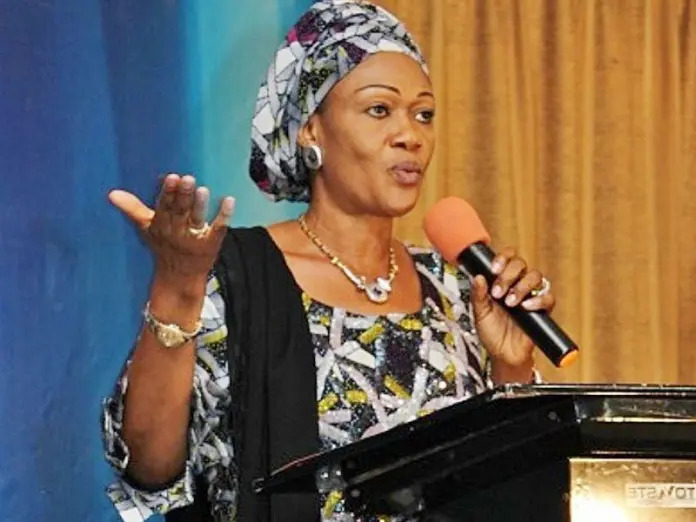
The Nigerian populace has, in recent months, been faced with an unprecedented economic downturn that has stretched their resilience to its limits. Many citizens are struggling to make ends meet, as inflation skyrockets, unemployment rises, and the cost of living reaches unbearable levels. Amid this economic storm, a statement by Nigeria’s First Lady, Remi Tinubu, stirred the public. Defending her husband, President Bola Ahmed Tinubu, she claimed that he was not responsible for the economic hardship currently plaguing the nation. Her comment, while undoubtedly aimed at deflecting criticism, has been met with mixed reactions, mostly frustration and disbelief.
As Nigerians grapple with daily economic woes, the call is clear: they seek actionable, people-friendly solutions, not excuses or blame-shifting. Against the foregoing backdrop, permit this writer to, through this article, examine Nigeria’s leadership under Tinubu’s administration, scrutinize the claim that the president is not responsible for the economic hardship, and call for solutions that focus on the needs of the people, rather than defensive rhetoric.
From the onset of Bola Tinubu’s presidency in May 2023, Nigeria’s economic situation has deteriorated significantly. The removal of the fuel subsidy, which Tinubu announced within his first few weeks in office, set off a domino effect that worsened the already precarious financial situation of millions of Nigerians. While the fuel subsidy removal was hailed by some economists as a necessary policy shift to prevent long-term fiscal collapse, its immediate consequences were brutal. Fuel prices tripled overnight, leading to increased transportation costs and the inflation of food prices and essential goods. The government provided promises of palliatives to cushion the effects, but the implementation of these promises has been slow, and their impact remains largely unseen by the general populace.
Additionally, the floating of the naira led to further devaluation of the currency, exacerbating the cost of imports and increasing inflationary pressure. For many Nigerians, this meant their purchasing power diminished at an alarming rate, leaving them unable to afford basic necessities. Businesses, particularly small and medium-sized enterprises (SMEs), have been hit hard by the twin forces of inflation and high energy costs. With dwindling profits and rising operational expenses, many are forced to shut down or scale back operations, leading to increased unemployment.
It is within this context that Remi Tinubu’s defense of her husband must be viewed. While it is true that the Tinubu administration inherited many of Nigeria’s economic challenges, the public perception is that his policies have worsened an already bad situation. Nigerians are not looking for excuses, but for leadership that can pull the nation out of its current crisis.
During an event at the Palace of Ooni of Ife, Oba Adeyeye Ogunwusi, on Thursday, the First Lady emphasized that the Tinubu administration is still in its early stages and should be given time to implement its policies. She argued that President Tinubu was not responsible for the current economic hardship, implicitly suggesting that the blame lay elsewhere, perhaps with previous administrations or global economic factors. While it is undeniable that Nigeria’s economic problems are deep-rooted, with decades of mismanagement, corruption, and policy failures playing a significant role, the timing and tone of her defense struck a nerve with many Nigerians.
The statement appeared to downplay the struggles of ordinary citizens, many of whom are finding it increasingly difficult to survive. In a country where millions are living below the poverty line, a defense of the president without tangible solutions to alleviate their suffering seems out of touch with the harsh realities on the ground. Instead of deflecting responsibility, Nigerians expect their leaders to confront the challenges head-on, demonstrate empathy, and propose meaningful, sustainable solutions that address the root causes of their plight.
Moreover, leadership entails accepting responsibility for the decisions made under one’s administration. The removal of the fuel subsidy, the devaluation of the naira, and the failure to promptly implement effective palliative measures all fall under the Tinubu administration’s purview. Deflecting blame, as the First Lady’s statement seemingly does, only fuels public frustration and erodes trust in the government.
At this critical juncture, Nigerians are not merely looking for explanations, they are looking for hope. Hope that comes from well-thought-out policies, hope that stems from a government that listens to the people’s cries, and hope that comes from leaders who show empathy and take action. The Tinubu administration must prioritize the development of people-centered solutions that focus on alleviating the burden on the masses.
One immediate step that can be taken is the implementation of social safety nets that are transparent and accessible. The government’s promise of palliatives following the removal of the fuel subsidy has been mired in delays and poor execution. Many Nigerians have yet to feel the effects of these promised relief measures. The administration must expedite the distribution of palliatives, ensuring that they reach the intended recipients, particularly those in rural areas and the most vulnerable segments of society. This would provide much-needed relief in the short term.
In the longer term, the government must focus on creating an enabling environment for businesses to thrive. SMEs, which form the backbone of Nigeria’s economy, are in dire need of support. Access to affordable credit, subsidies for energy costs, and improved infrastructure would go a long way in reviving these businesses and stimulating job creation. Furthermore, the government should focus on diversifying the economy away from its heavy reliance on oil, investing in agriculture, technology, and other sectors that can provide sustainable economic growth and employment opportunities.
A key component of addressing Nigeria’s economic crisis lies in leadership that takes responsibility. While it is true that no single administration can fix Nigeria’s systemic issues overnight, leadership involves acknowledging the failures of past policies and taking ownership of the current situation. The Tinubu administration cannot afford to sidestep accountability. Instead, it should engage in meaningful dialogue with stakeholders, including the private sector, labor unions, and civil society, to develop comprehensive strategies that address the root causes of the current economic woes.
Moreover, communication is crucial. The Nigerian public deserves transparency and regular updates on the government’s efforts to mitigate the economic crisis. Remi Tinubu’s defense of her husband, while perhaps well-intentioned, lacked the substance that Nigerians are desperate for. Citizens want to know what specific actions the government is taking to improve their lives, how soon they can expect to see positive changes, and how their leaders plan to steer the nation toward economic recovery.
As Nigerians continue to navigate the tough economic terrain, they are not interested in who is to blame for their suffering, they want relief, hope, and solutions. The Tinubu administration must pivot from defensive rhetoric and focus on implementing policies that genuinely uplift the people. Leadership in times of crisis requires humility, empathy, and action. Nigerians are looking for leadership that can provide practical, people-friendly solutions to ease their burden.
The First Lady’s defense of her husband highlights the frustration within the corridors of power, but it misses the mark in addressing the real issues on the ground. Nigerians are tired of excuses, they want a government that listens to their struggles and acts with urgency to deliver solutions. Time is of the essence. The Tinubu administration has the opportunity to turn the tide, but it must act now and act decisively. Nigerians have waited long enough; they deserve a leadership that can bring about the economic relief they so desperately need.
Given the foregoing backdrop, it is expedient to ask, “Who will tell our first lady that Nigerians want people-friendly solutions, not excuses?