
Africa
Why The Alleged Aisha Buhari Divorce Talk Is Ill-Timed, Disrespectful, And In Bad Taste -By Isaac Asabor
To Prof. Kperogi and others waiting to ‘trend’ on the graves of the departed, a word of caution: history never forgets those who weaponized truth as gossip and opinion as fact, especially in moments that called for empathy.

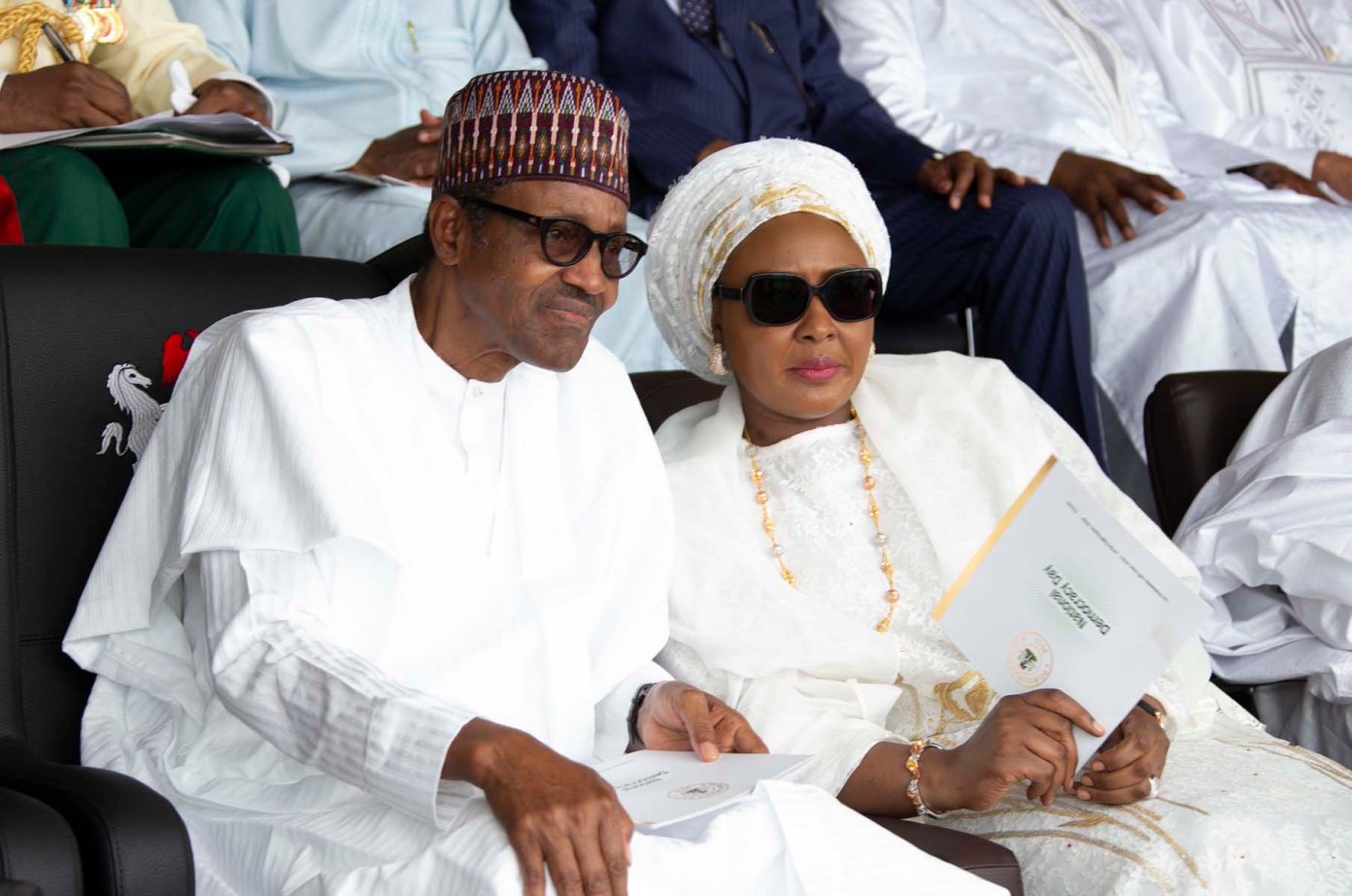
Death, no matter how controversial the life lived may have been, comes with a universal cultural expectation, “dignity in mourning”. In almost every society, the passing of a person, particularly one of national prominence, demands a period of respectful silence, reflection, and sobriety. This is even more expected when the deceased is a former President and Commander-in-Chief of a nation like Nigeria. Sadly, what should have been a solemn period to grieve and honour the late Muhammadu Buhari has now been disrupted by a wave of sensational gossip, triggered by the post of Professor Farooq Kperogi.
Kperogi, a professor of journalism and emerging media, recently took to his verified Facebook page to drop a speculative bombshell, alleging that the late Buhari and his wife, Aisha, were divorced before his death. He further claimed that Aisha had reverted to her maiden name, Halilu, and refused to care for the former president when he fell ill in the United Kingdom. While many commenters either praised or criticized his revelations, one thing is strikingly clear: the timing, tone, and taste of the post are inexcusable.
Without a doubt, the post is unarguably a disrespect to the grieving family. To begin with, this is a man who just died. Buhari’s family, particularly his widow and children, are in a period of mourning. Whether or not the general public has personal grievances against his leadership style or decisions made during his tenure is immaterial at this moment. Nigerians, regardless of religious or political leanings, are culturally wired to sympathize with the grieving. That someone of Kperogi’s academic pedigree would ignore this deeply ingrained norm and instead throw a gossip grenade into the mourning crowd is, frankly, uncharitable and reckless.
Worse still, the allegations were based on unverified claims and insinuations, couched with phrases like “reportedly”and “it was suggested.” For a professor of journalism, such lazy attribution is shocking. This is the kind of journalism one would expect from a nameless blogger or social media troll, not from someone who teaches the next generation of media practitioners.
Whether true or false, there is a right time and place to reveal deeply personal matters, if at all they need to be revealed. In this instance, the alleged estrangement between Aisha and Buhari, if it ever existed, adds zero value to the public discourse at this juncture. Buhari has just passed. His burial and national mourning are still fresh in the minds of Nigerians. To throw personal marital speculations into the public square while his body is barely cold is not only premature, it is cynically timed to generate controversy and online traction.
Some may argue that public figures owe the world transparency. But must such transparency come at the cost of basic human decency? Must the widow of a man barely laid to rest be dragged through the mud of public scrutiny over unverifiable gossip?
This incident also underlines the disturbing trend of weaponizing social media platforms for cheap engagement. It is one thing to hold public officials accountable during their lifetime, it is another to recklessly assassinate their character in death. If Kperogi had this “scoop” all along, why wait until Buhari died to publish it? Why not while he was alive and could respond?
The answer is simple: it is easier to throw stones at a tomb than at a man who can fight back. This is cowardice masquerading as fearless journalism.
Nigeria is currently grappling with social fragmentation, political tension, and widespread mistrust in institutions. In such a volatile environment, journalists, academics, and opinion leaders are expected to help douse the flames, not stoke them. Kperogi’s post not only disrespects the dead, it sets a dangerous precedent: that even in death, no individual is immune from baseless speculation and public ridicule. If this becomes the new norm, where does it end? Do we dig into the private lives of all former leaders on their deathbeds? Do we publish gossip dressed as insight under the guise of academic freedom?
Even some of the social media users who often lap up every scandalous detail online had to draw the line this time. “This is too early, Prof. Don’t be insensitive, sir,” said one commenter. Another pleaded, “Let’s mourn the General with dignity, my Prof. You’re a cultured man.” These reactions show that even the online mob recognizes the red line that has been crossed.
Journalism is guided by ethical codes that transcend borders. One of those is to “minimize harm.” The Society of Professional Journalists (SPJ), for example, advises reporters to “show compassion for those who may be affected by news coverage.” This includes grieving families. Another ethical tenet is verification “get the facts before you publish”. Kperogi’s post violates both standards. His comment, instead of providing verified information, reads like a whisper heard in a corridor and then shouted from the rooftops.
In our culture, we do not attend funerals just to sow division and controversy. We go to honour the departed, regardless of whether we agreed with them in life or not. When a prominent figure dies, particularly a former President, a moral line must be drawn between public interest and private dignity. Sadly, that line was trampled upon in this case.
Let us also not ignore the gender dimension of this controversy. Why is Aisha Buhari suddenly being vilified? Why should her marital status, her presence or absence at Daura or London, or her choice of surname become fodder for public ridicule? Are we now turning the mourning widow into the villain of the moment because she chose not to parade herself during her husband’s final days?
In case we have forgotten, Aisha Buhari has never been a conventional First Lady. She openly criticized her husband’s government, distanced herself from the corridors of power at times, and took bold stances that irked the establishment. This latest saga appears to be the final attempt to drag her name through the mud, now that her husband can no longer defend her.
In the final analysis, this is not about Aisha. It is not even about Buhari. It is about our collective sense of decency and respect for the dead. There will be ample time to review Buhari’s presidency, his policies, his legacy, and even his private life, if and when it serves public interest. But now is not that time. Not while his family is grieving. Not while his body is barely cold.
We must learn as a nation to uphold the dignity of death. The funeral is not the place to launch character attacks or break scandalous news. If we fail to respect the dead, what moral standing do we have to demand respect for the living?
To Prof. Kperogi and others waiting to ‘trend’ on the graves of the departed, a word of caution: history never forgets those who weaponized truth as gossip and opinion as fact, especially in moments that called for empathy.
Let Buhari rest. Let Aisha grieve in peace. And let us, as Nigerians, find the moral compass that leads us back to decency.


























You must be logged in to post a comment Login