Entertainment
BBNaija: But What Are We Showing The Society? -By Idris Rufai
We should not reject entertainment, but we should demand better entertainment.
We should not reject modern culture, but we should preserve the values that define us.
And above all, as we tell young people to “show yourself,” we must also ask them, and those who create the content they consume, what exactly are we showing the next generation?.

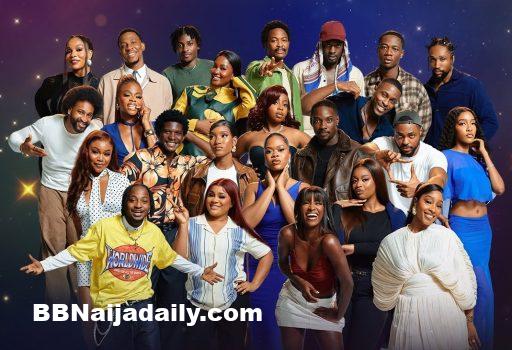
Big Brother Naija, popularly known as BBNaija, has become one of Nigeria’s most watched and discussed reality television programmes. Over the years, the show has attracted millions of viewers with its entertainment, competitions, relationships, parties and large cash prizes. However, as the programme enters another season under the theme “Show Ya Sef”(Show Yourself), season 11, one question continues to bother me: What exactly are we showing ourselves, and more importantly, what are we showing the next generation?
As a young Nigerian and a student of Mass Communication, I believe entertainment should not be separated completely from responsibility. The media has enormous power to influence the way people think, behave and perceive society. Therefore, programmes with millions of viewers should be examined not only from the perspective of entertainment but also from the perspective of their possible influence on society.
I first took time to watch BBNaija in 2020. when Olamilekan “Laycon” Agbeleshe was emerge as the winner.At the time, I was curious about what attracted so many people to the programme. I initially expected a reality show that would combine entertainment with education, character development, talent discovery and positive contributions to society. However, after watching the programme on several occasions, I found myself asking what lasting values some aspects of the show were passing to viewers, particularly young people.
My concern is not that entertainment itself is wrong. People need entertainment, relaxation and programmes that allow them to escape from the pressures of everyday life. My concern is the type of entertainment being presented and the values that may be communicated through it.
One of the areas that raises concern for me is the manner in which some housemates present themselves during night and pool parties. Certain forms of dressing, dancing and other displays may be considered normal entertainment by some viewers, but others may see them as inconsistent with the moral and cultural standards expected in many Nigerian communities.
Nigeria is a country with diverse cultures, traditions and moral values. We are Africans, and our cultural heritage has historically placed importance on values such as dignity, respect, modesty and responsible behaviour. Therefore, while our media industry should evolve with changing times, it should also consider the cultural environment in which its programmes are being consumed.
The issue becomes even more important when we consider children and teenagers. Today, children can easily access smartphones, laptops and social media platforms from their homes. They do not necessarily need to sit in front of a television to encounter content from programmes such as BBNaija. Clips from reality shows can quickly circulate across social media platforms and reach children who may not even be old enough to understand the context surrounding what they are watching.
Young people are impressionable. What they repeatedly see can influence what they eventually consider normal, acceptable or desirable. This is why media regulatory bodies have a responsibility to consider the possible consequences of the content they put before the public.
Some viewers may argue that BBNaija is simply entertainment and that nobody is forced to watch it. That argument deserves consideration. Adults have the right to choose the programmes they watch. However, when a programme has such a large influence on popular culture, its producers should also recognise that its impact can extend beyond the individual viewer.
There is also the question of what happens after the show. The winner receives a substantial financial reward and other prizes, while contestants gain popularity and social media influence. But beyond the money, fame and entertainment, what positive legacy does the programme leave for society?
Could reality television in Nigeria do more to promote entrepreneurship, education, creativity, leadership, talent development, community service and responsible citizenship? Could contestants be challenged to develop businesses, solve community problems, promote Nigerian culture or participate in educational and social initiatives while still providing the entertainment audiences enjoy?
I believe it is possible.This is not a call for the complete cancellation of BBNaija or other reality television programmes. Rather, it is a call for responsible entertainment. The Nigerian entertainment industry is capable of producing programmes that are exciting and commercially successful while still promoting values that contribute positively to society.
Regulatory bodies also have an important role to play. They should continue to ensure that broadcast content complies with established broadcasting standards and protects vulnerable audiences, particularly children, also have a role in guiding children on what they watch and helping them understand the difference between entertainment and acceptable real life behaviour.
As we embrace modern entertainment, we should not allow the pursuit of ratings, popularity, money and fame to completely overshadow our cultural and moral responsibilities.
The theme “Show Yourself” therefore gives us an opportunity to ask a deeper question: What kind of self are we encouraging young Nigerians to show?
Are we showing creativity, intelligence, entrepreneurship, leadership, talent and cultural pride? Or are we increasingly celebrating behaviour simply because it attracts attention?
BBNaija has the platform and influence to do more. Its millions of viewers represent an enormous opportunity to entertain while also inspiring, educating and empowering young people.
We should not reject entertainment, but we should demand better entertainment.
We should not reject modern culture, but we should preserve the values that define us.
And above all, as we tell young people to “show yourself,” we must also ask them, and those who create the content they consume, what exactly are we showing the next generation?.